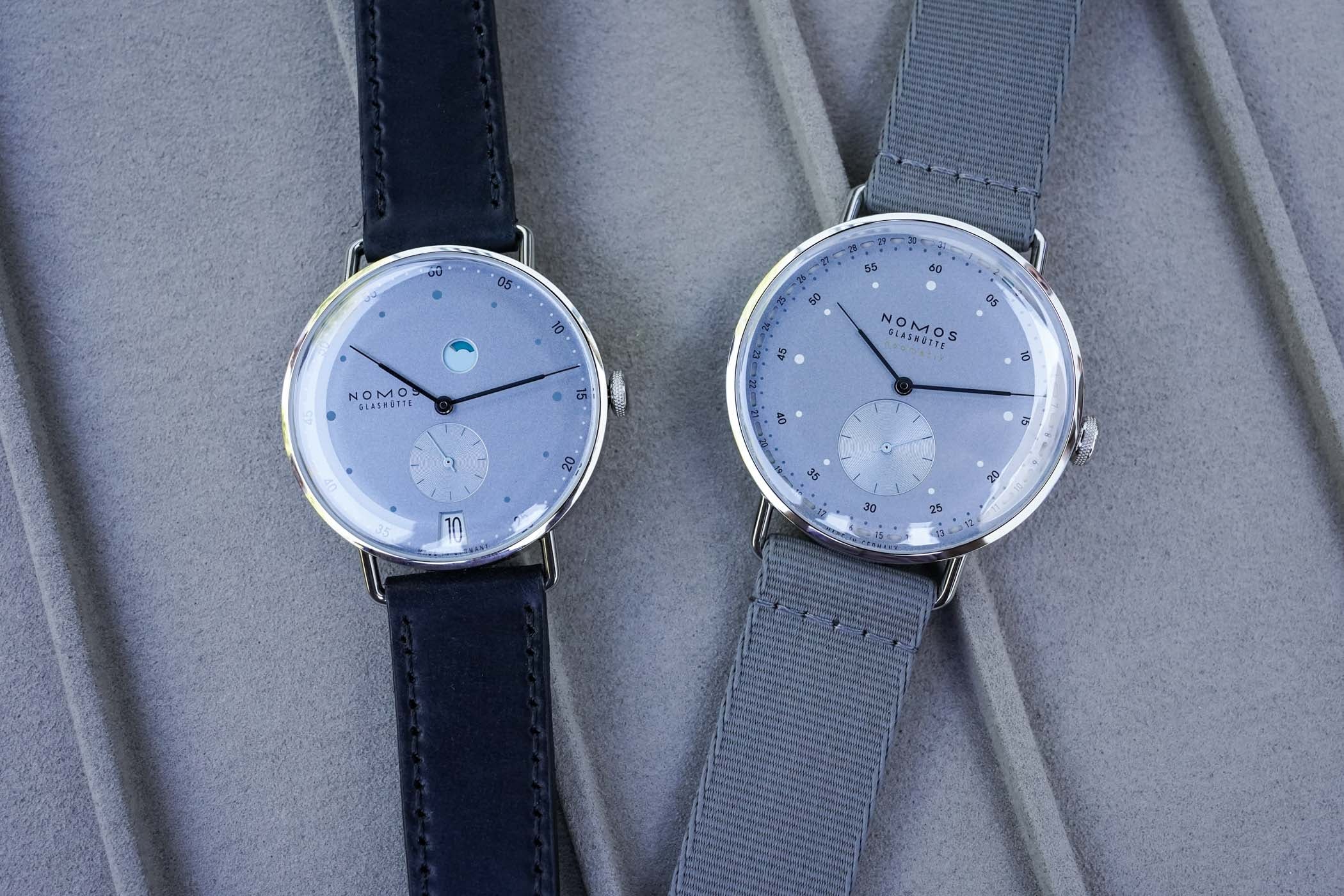
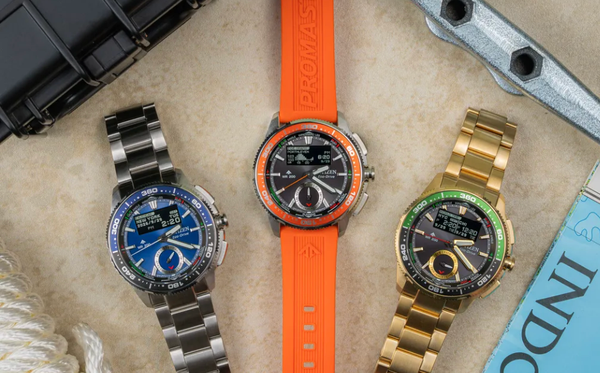
Why Watch Case Size Preferences Vary
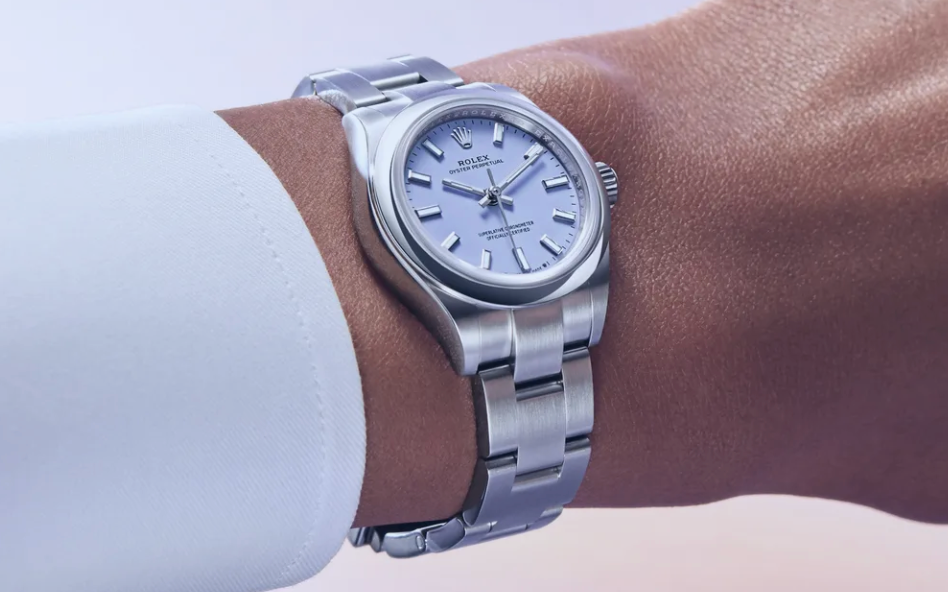
Watch size preferences have evolved dramatically over the past century, shifting from the modest dimensions of early wristwatches to the oversized sport models of the 1970s‑1990s, and more recently to a renewed appreciation for smaller, vintage‑inspired cases. Technological advances allowed manufacturers to produce a wide range of sizes independent of movement constraints, while cultural factors such as fashion trends, status signaling, and the rise of mobile phones influenced consumer choices. The surge in large watches was driven by a desire for visibility and expressive design, but the current climate favors modest dimensions that convey humility, comfort, and practicality, especially as many collectors now prioritize simple time‑only pieces over complex, bulky complications. Economic shifts, the popularity of vintage watches, and changing attitudes toward conspicuous consumption have further propelled the move toward smaller cases, with many enthusiasts favoring watches between 38 mm and 42 mm for everyday wear. While personal taste remains highly subjective, the industry is likely to continue experimenting with a variety of sizes, balancing aesthetic appeal, ergonomic comfort, and market demand. The ongoing dialogue between designers and consumers suggests that watch dimensions will remain fluid, reflecting broader cultural cycles rather than a single, definitive standard.
Buying Time Analysis: This story highlights how evolving cultural preferences and fashion trends drive watch size choices, revealing their broader impact on consumer behavior, brand strategies, and the watch industry’s future direction.