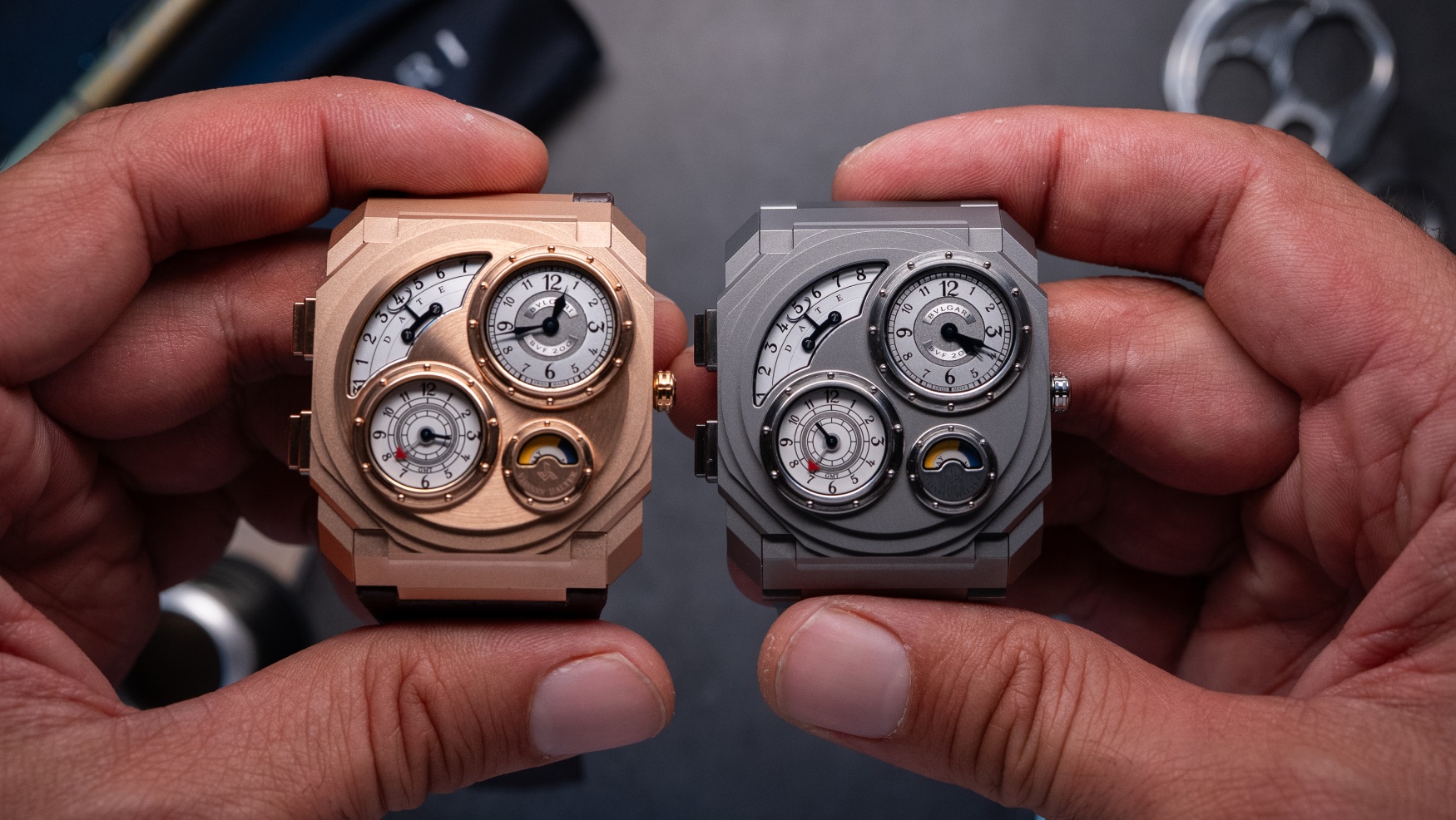
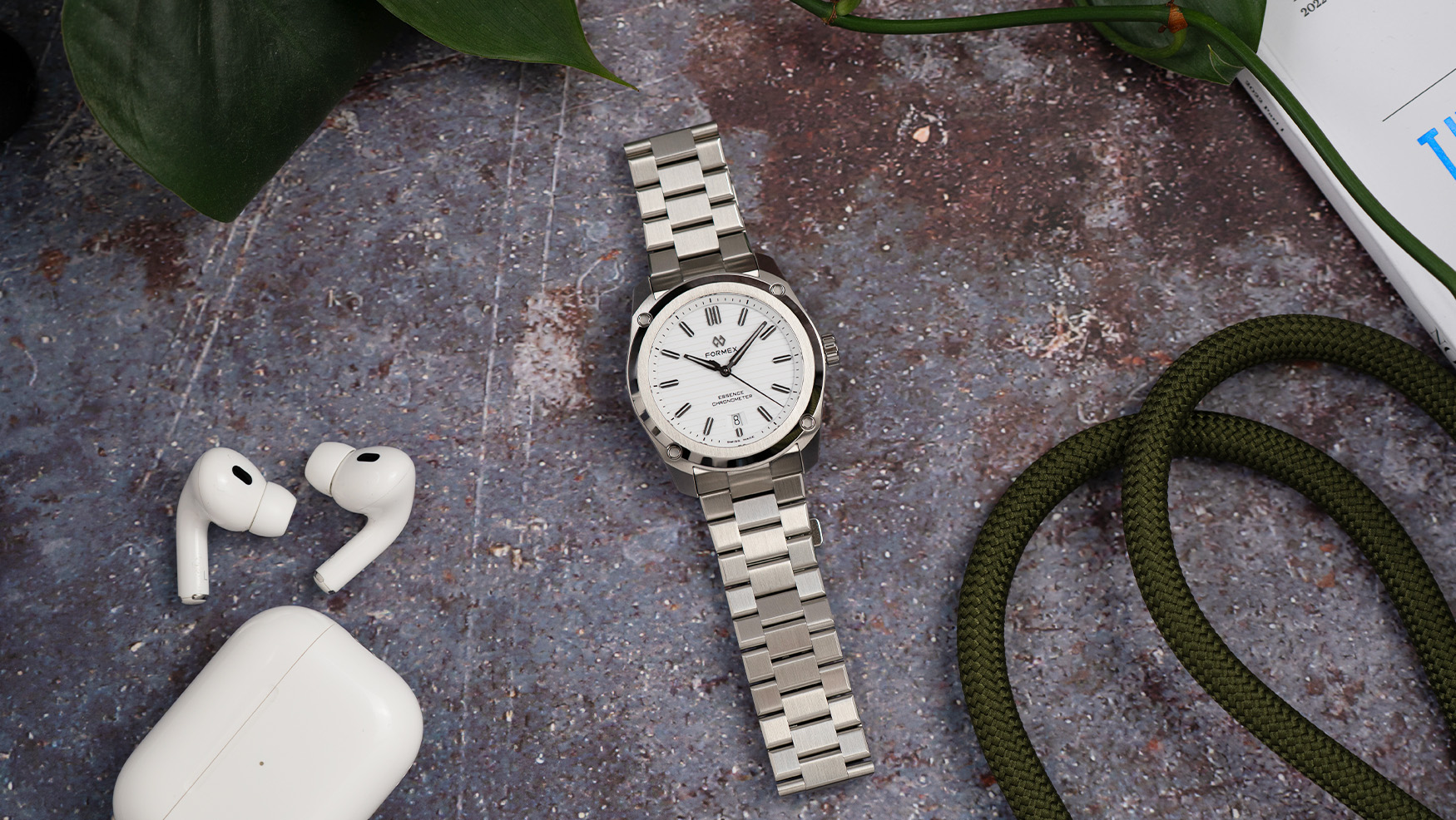
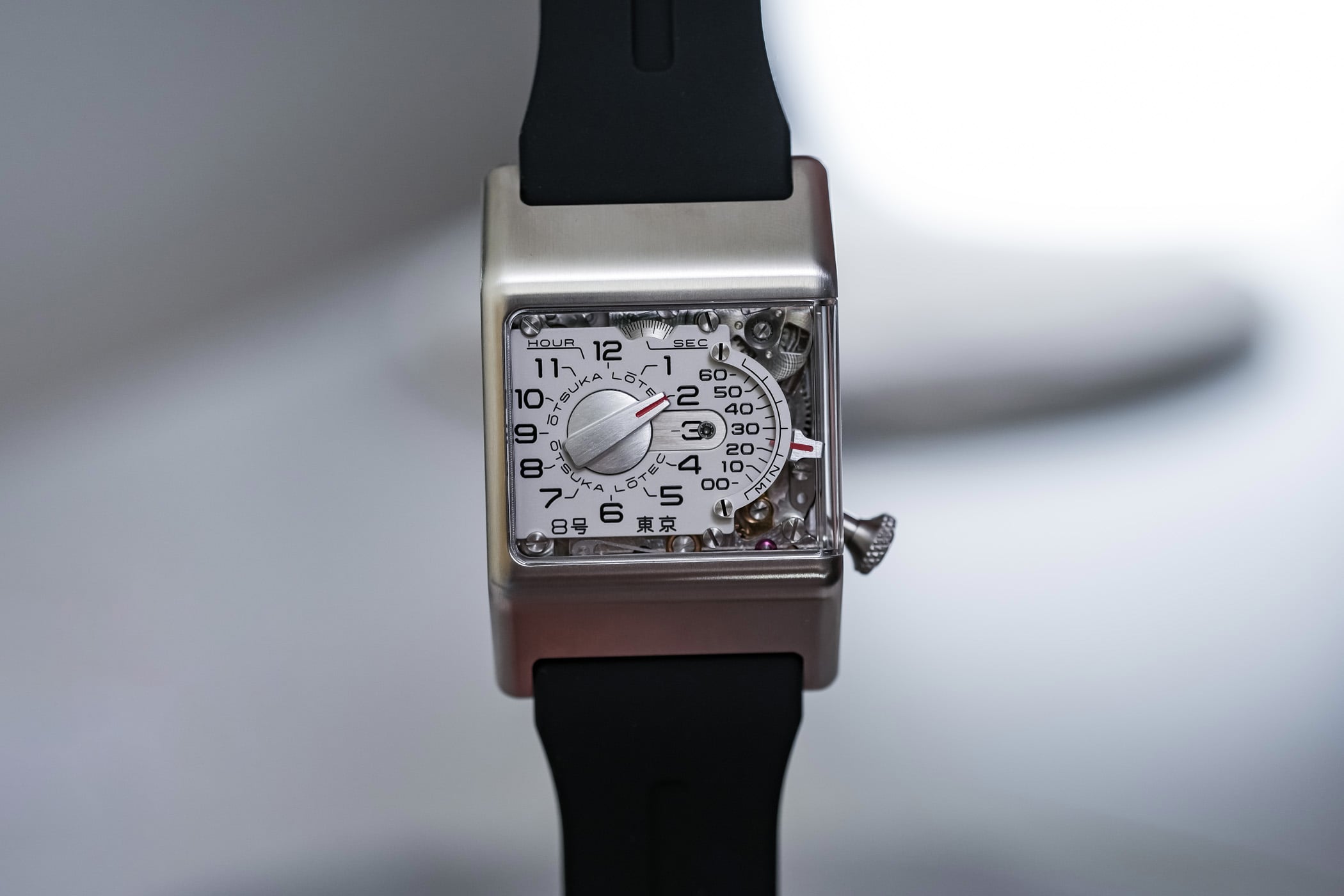
A Comprehensive Guide to Watch Dial Materials
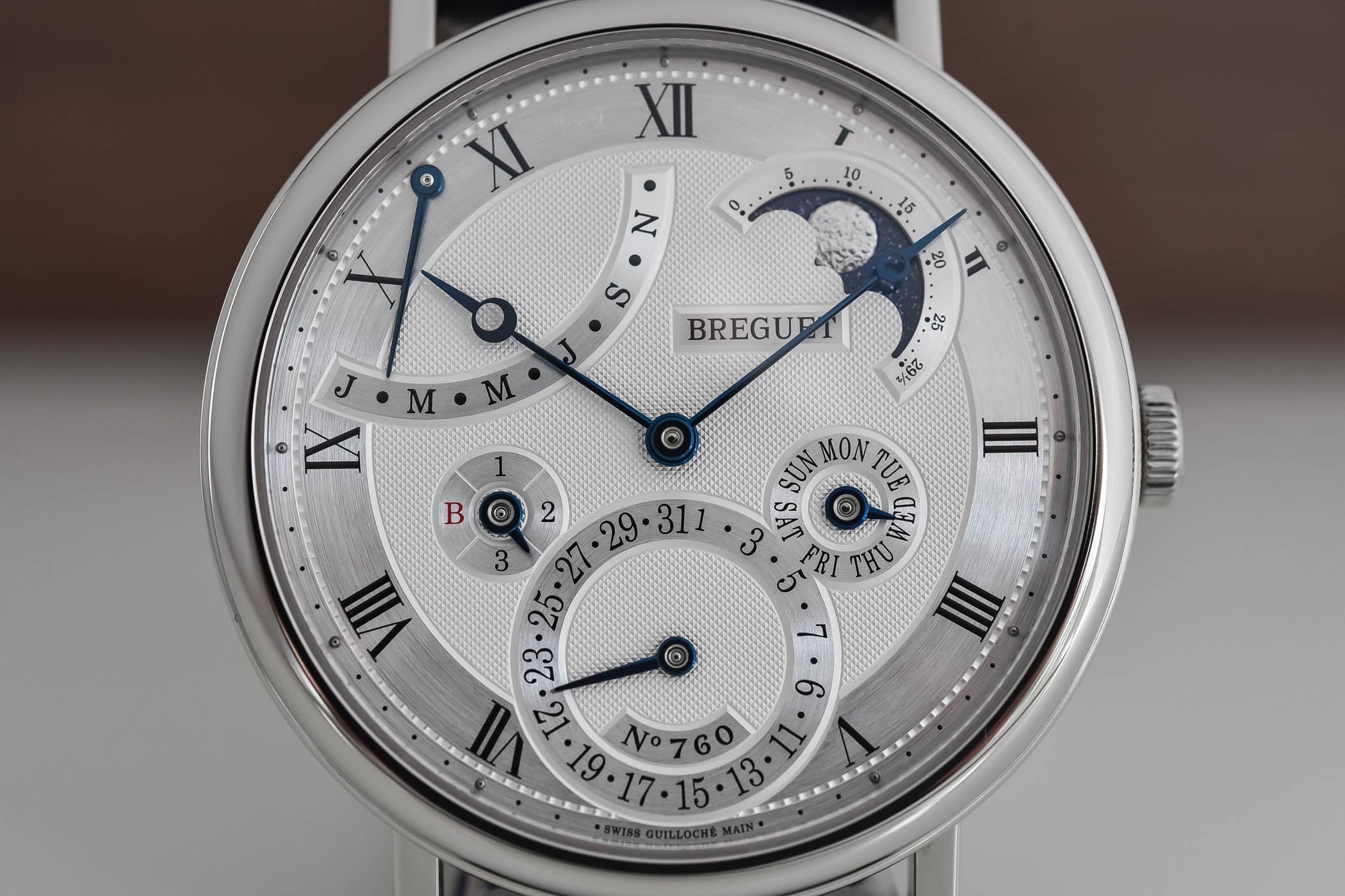
Watch dial materials have evolved from simple engraved brass faces in the 16th century to a diverse palette that includes vitreous enamel, lacquer, porcelain, various metals, meteorite, natural stones, aventurine glass, mother‑of‑pearl, carbon fibre, sapphire and even recycled plastics. Early dials were limited to Roman numerals and single hands, but advances such as Grand Feu enamel introduced deep, multi‑layered colours, while lacquer offered a more affordable yet durable alternative. Porcelain and enamel share historic techniques, yet porcelain’s high‑temperature firing and shrinkage make it as challenging as enamel. Modern manufacturers combine traditional crafts with new technologies, producing exotic finishes like cloisonné, grisaille, paillonné and plique‑à‑jour, as well as innovative materials such as meteorite slices, semi‑precious stones, and glass‑based aventurine, each adding unique visual patterns and premium value. Independent brands like anOrdain have democratized Grand Feu enamel, offering pieces from USD 2,400, while larger houses such as Seiko, Cartier, and Rolex continue to refine lacquer, porcelain, and meteorite dials across price ranges. Carbon fibre and sapphire dials showcase contemporary engineering, providing lightweight strength and transparent aesthetics. Sustainable approaches are also emerging, with recycled‑plastic dials appearing in collections from Oris and Maurice Lacroix. Across centuries, the dial remains the visual centerpiece of a watch, reflecting a blend of artistry, material science, and evolving consumer tastes.
Buying Time Analysis: This story is important because it chronicles the evolution and diverse techniques of watch dial materials, highlighting how historic craftsmanship and modern innovations together shape the aesthetic, technical, and cultural value of timepieces.