Bidirectional vs Unidirectional Winding: An Insight
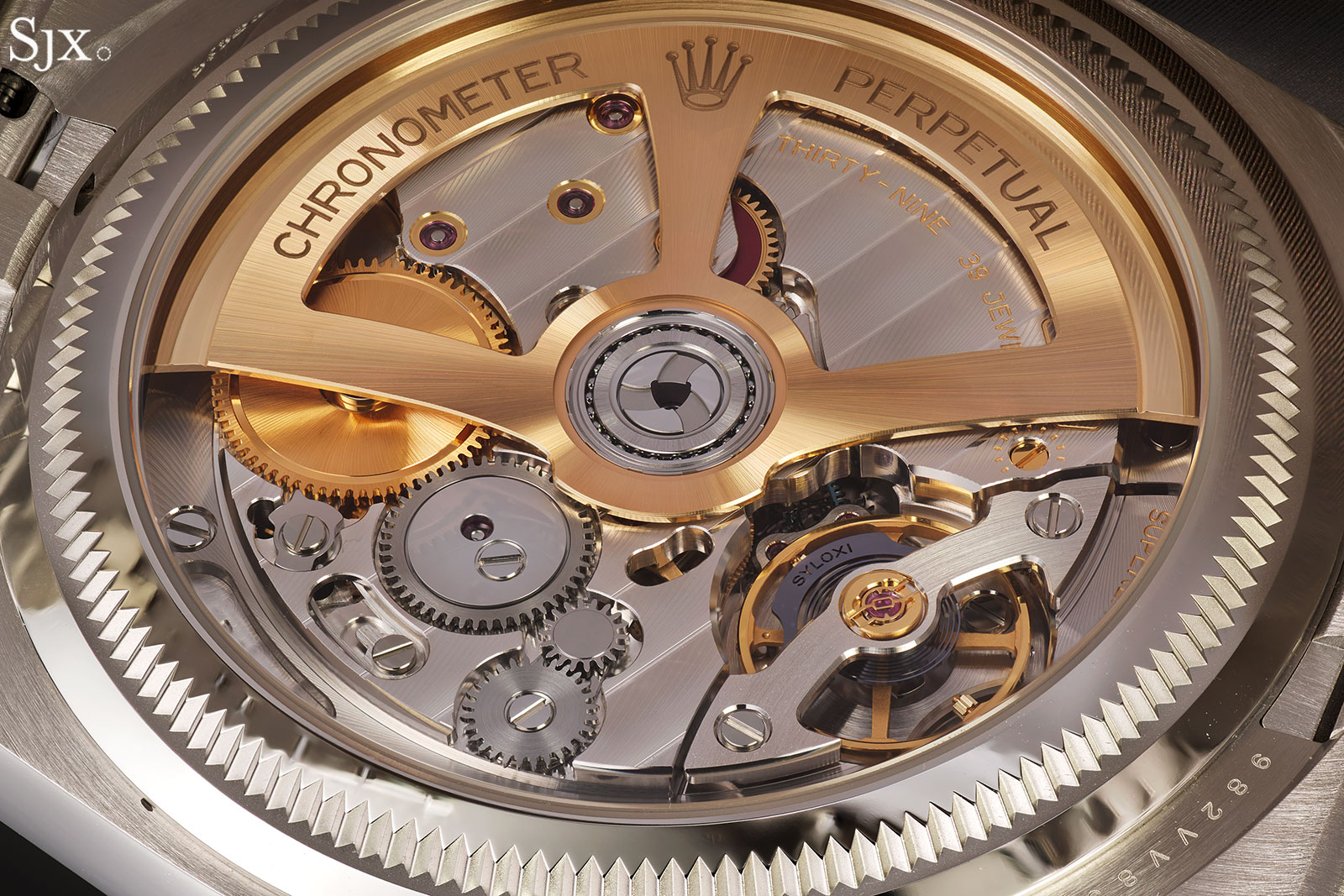
The piece examines the ongoing debate in horology over the efficiency of unidirectional versus bidirectional automatic winding mechanisms. It outlines how automatic watches harvest kinetic energy from the wearer’s arm movements, describing the rotor’s role and the transmission ratios that convert fast rotor spins into slower, torque‑heavy turns to wind the mainspring. Historical milestones are traced from Perrelet’s early inventions through the development of modern reverser systems, the wig‑wag pinion, and various pawl‑based designs such as Pellaton and the Magic Lever, highlighting how each approach attempts to capture energy from rotor motion. Performance comparisons rely on Cyclotest testing, which measures the number of cycles needed to fully wind a movement, but the article notes that this laboratory method may overstate real‑world efficiency. Studies by Kocher suggest acceleration factors of 5.6 for bidirectional and 2.8 for unidirectional winding when translating Cyclotest results to everyday wear. The discussion also covers dead sectors, equilibrium behavior, wear and tear, and the trade‑offs between mechanical complexity and durability, concluding that while bidirectional systems often show superior test results, practical experience shows no clear winner, with both designs offering distinct advantages and limitations.
Buying Time Analysis: This article highlights the ongoing debate over automatic watch winding efficiency, illustrating how design choices like bidirectional versus unidirectional mechanisms impact performance, wear, and the future direction of horological engineering.