Can Watchmaking Achieve True Sustainability?
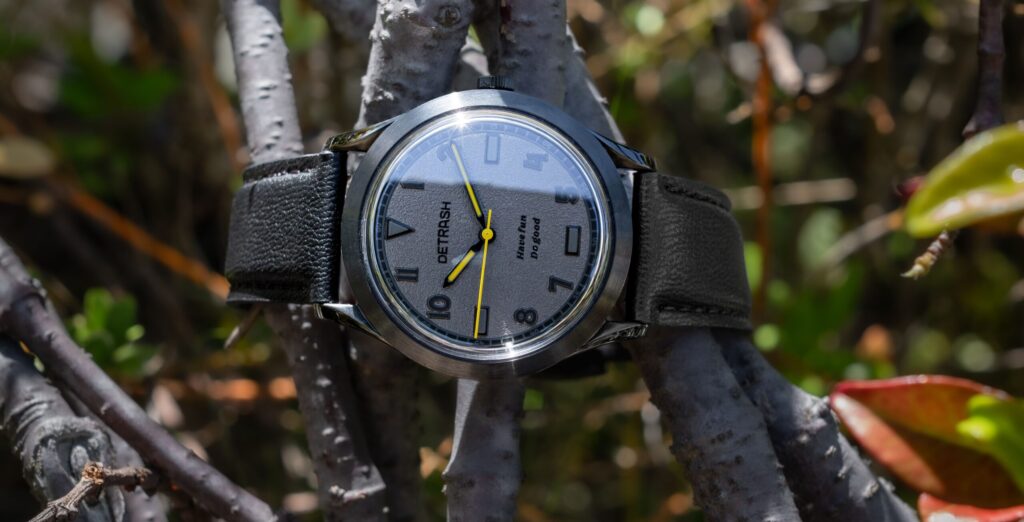
Watchmaking’s sustainability advantage lies in its longevity and the robust secondary market that extends the life of timepieces through repair, restoration, and resale. Brands such as Detrash and ID Genève are incorporating recycled materials and circular manufacturing, while luxury houses like Panerai, Oris, and IWC adopt greener packaging and ESG initiatives, reinforcing the industry’s inherent circularity compared with fast‑fashion or consumer electronics. Nevertheless, the sector’s reliance on extensive international travel for launches, fairs, and press events creates a significant environmental contradiction. As younger collectors prioritize eco‑consciousness alongside craftsmanship, the industry must confront the travel‑related carbon footprint and explore more sustainable ways to maintain relationships and showcase new collections.
Buying Time Analysis: This story highlights how watchmaking’s inherent durability and strong secondary market foster a natural circular economy, making it a pivotal example of sustainable luxury while also exposing the industry's hidden environmental impact from extensive global travel.