Cartier Tortue: Elegance Redefined
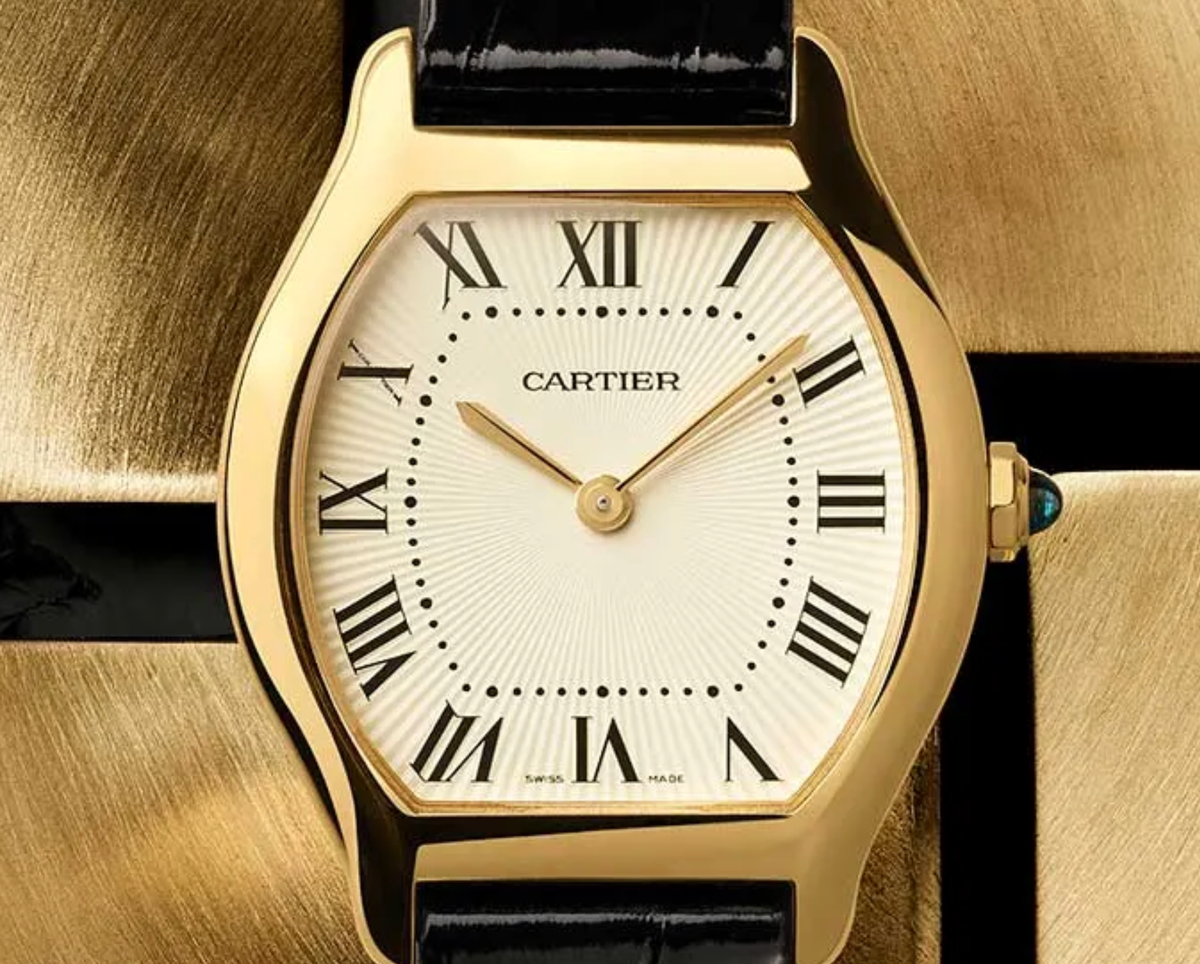
The Cartier Tortue, introduced in 1912, quickly became an iconic shaped watch celebrated for its turtle‑like case that blends curved lines with functional elegance. Originally crafted in platinum and gold, the model distinguished itself from the era’s round watches by offering a versatile canvas for enamel, diamonds, and other embellishments, while also accommodating larger movements and early complications such as chronographs and minute repeaters. Over the decades the Tortue evolved through numerous reinterpretations, including limited‑edition CPCP releases, XL and XXL versions, and a resurgence in 2024 as part of the Cartier Privé collection, each iteration preserving the distinctive “circle meets rectangle” silhouette while introducing modern materials and refined details. In 2026 Cartier presents a bold new Tortue collection that expands the range from mini to Metiers d’Art sizes, featuring updated dial designs with sunray embossing, minimalist dot tracks, and a secret X signature. The line includes high‑end models in yellow gold, rhodium‑finished white gold, rose gold, and platinum, powered by manual‑winding calibers such as the ultra‑thin Calorie 1928 MC and Caliber 430 MC, as well as quartz‑driven versions. Notable highlights are the limited‑edition Chronographe Monopoussoir, the Panthère Métiers d’Art Tortue with intricate champlevé enamel work, and various bespoke strap options, all underscoring the Tortue’s enduring appeal and its status as a timeless cornerstone of Cartier’s shaped‑watch heritage.
Buying Time Analysis: The Cartier Tortue story highlights a century‑long legacy of innovative watch design, showcasing how its distinctive turtle‑shaped case has continually adapted to new complications and artistic expressions, making it a pivotal reference in the evolution of luxury horology.