Time Graphing Today’s Watch Universe - July 1, 2026
Today’s watch world reminds us that collectors rarely buy time. They buy stories.
Today’s watch world reminds us that collectors rarely buy time. They buy stories.
That is why Timex’s Tennis Snoopy belongs in the same daily conversation as Cartier’s Tortue, Louis XIV’s clocks at Versailles, and a Czapek Antarctique with a frozen meteorite dial. On paper, they occupy different worlds. One is a $219 quartz character watch. One is a century-old shaped-watch icon. One is royal horology as political theater. One is an independent luxury sports watch cut from extraterrestrial metal. Yet each is doing the same essential thing: turning timekeeping into identity.
The Timex may be the clearest reminder that collecting should not become too self-serious. Snoopy mid-serve, a rotating tennis ball seconds marker, a 34 mm case and a blue fabric strap are not trying to win a finishing competition. They are trying to make someone smile. That matters. In an industry often obsessed with scarcity, market value and mechanical credibility, it is useful to remember that joy is also a legitimate complication.
Cartier approaches the same emotional territory from the opposite direction. The Tortue is not playful in the Timex sense, but it is just as dependent on character. Its turtle-shaped case has survived because it resists the tyranny of the round watch. It is elegant, slightly eccentric and instantly legible as Cartier. That kind of design longevity is rare. It also explains why shaped watches continue to feel newly relevant in a market where collectors are increasingly looking for watches with recognizable silhouettes rather than just recognizable logos.
Then Versailles pushes the conversation back several centuries and reminds us that watches and clocks have always been about more than hours and minutes. Louis XIV used horology as a language of power. His clocks were objects of science, art, politics and spectacle. The Sun King understood something modern luxury brands still understand perfectly: timepieces can project authority. They can dramatize taste. They can make technology feel inevitable and ownership feel ceremonial.
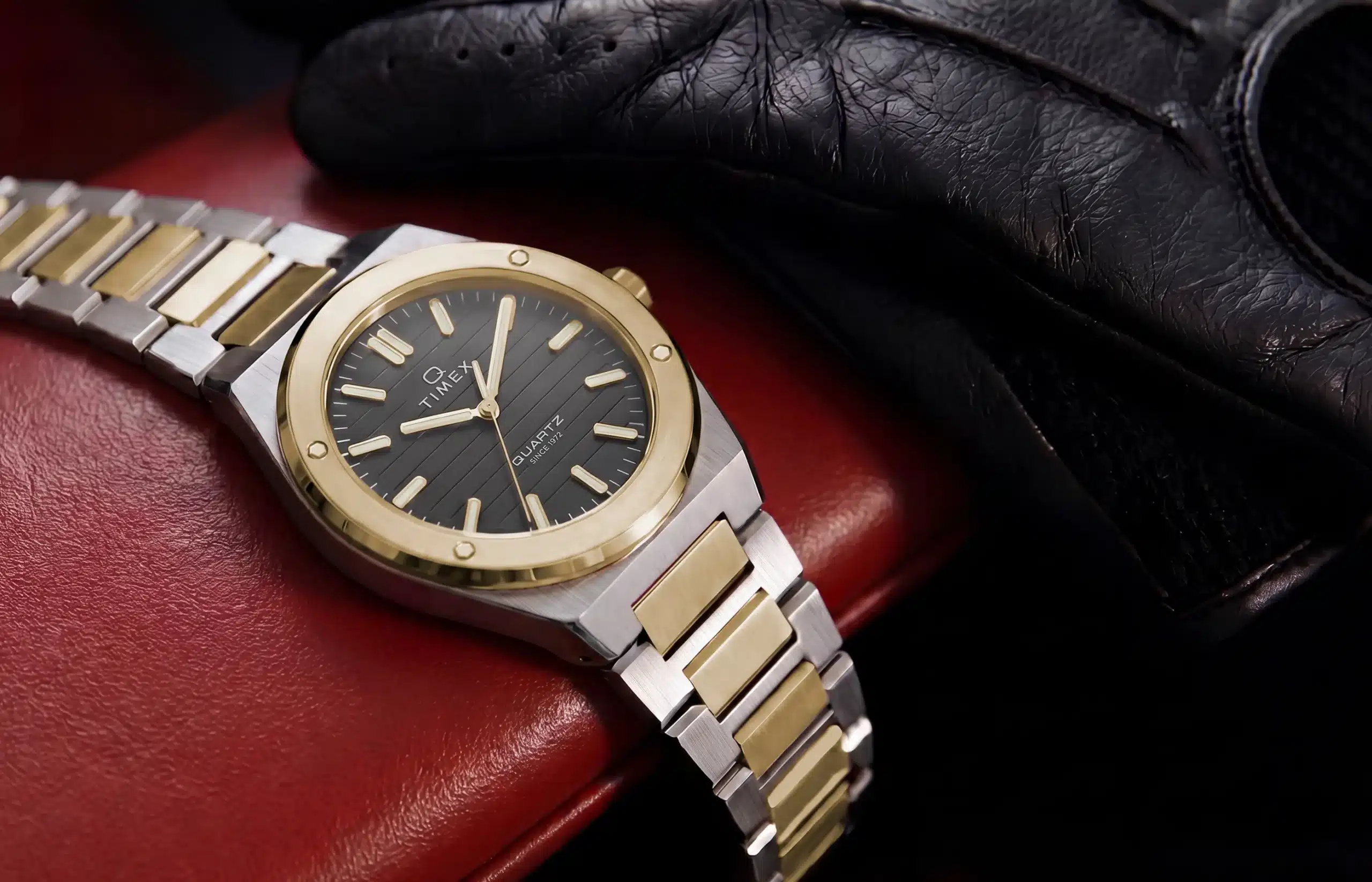
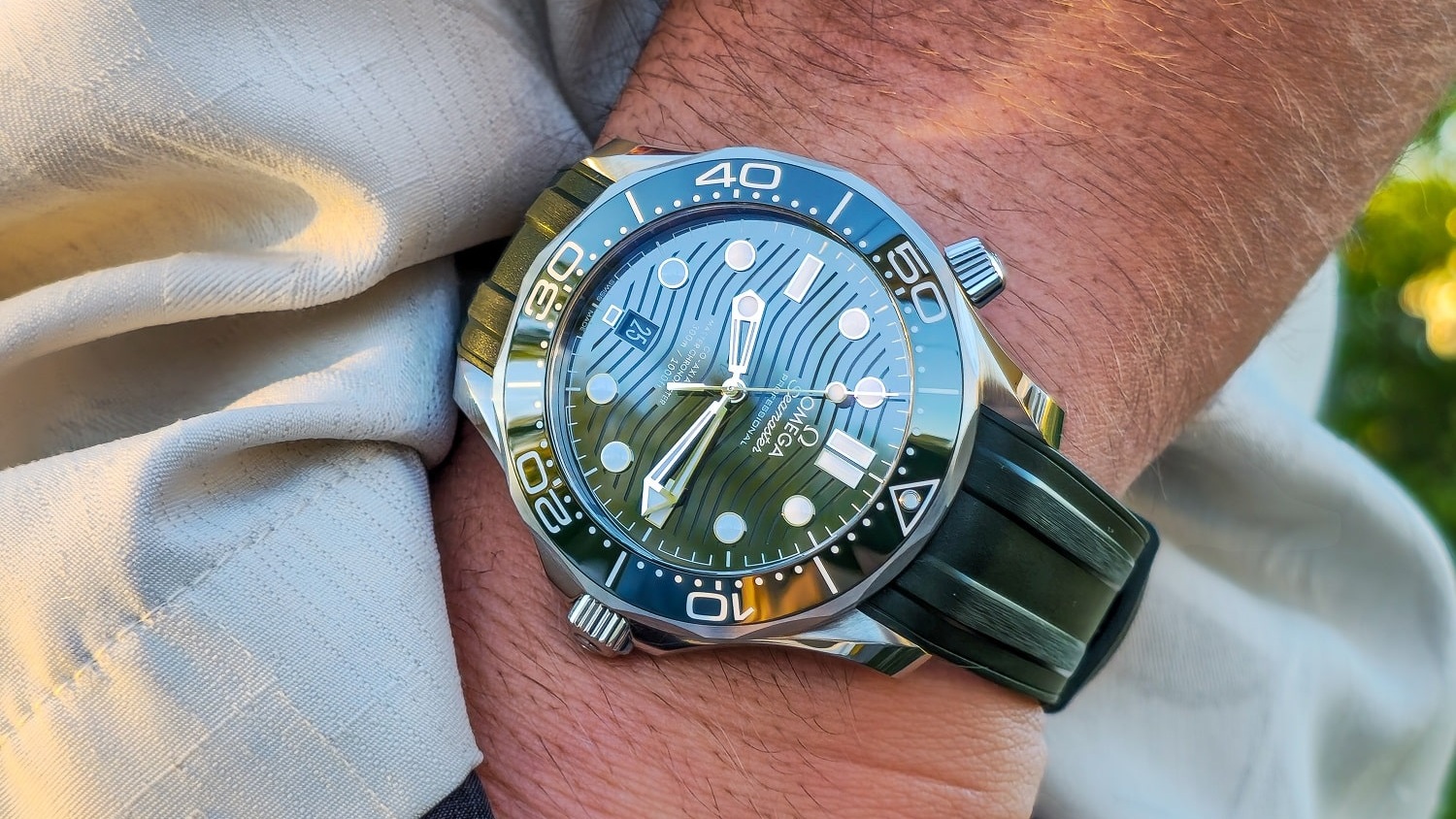
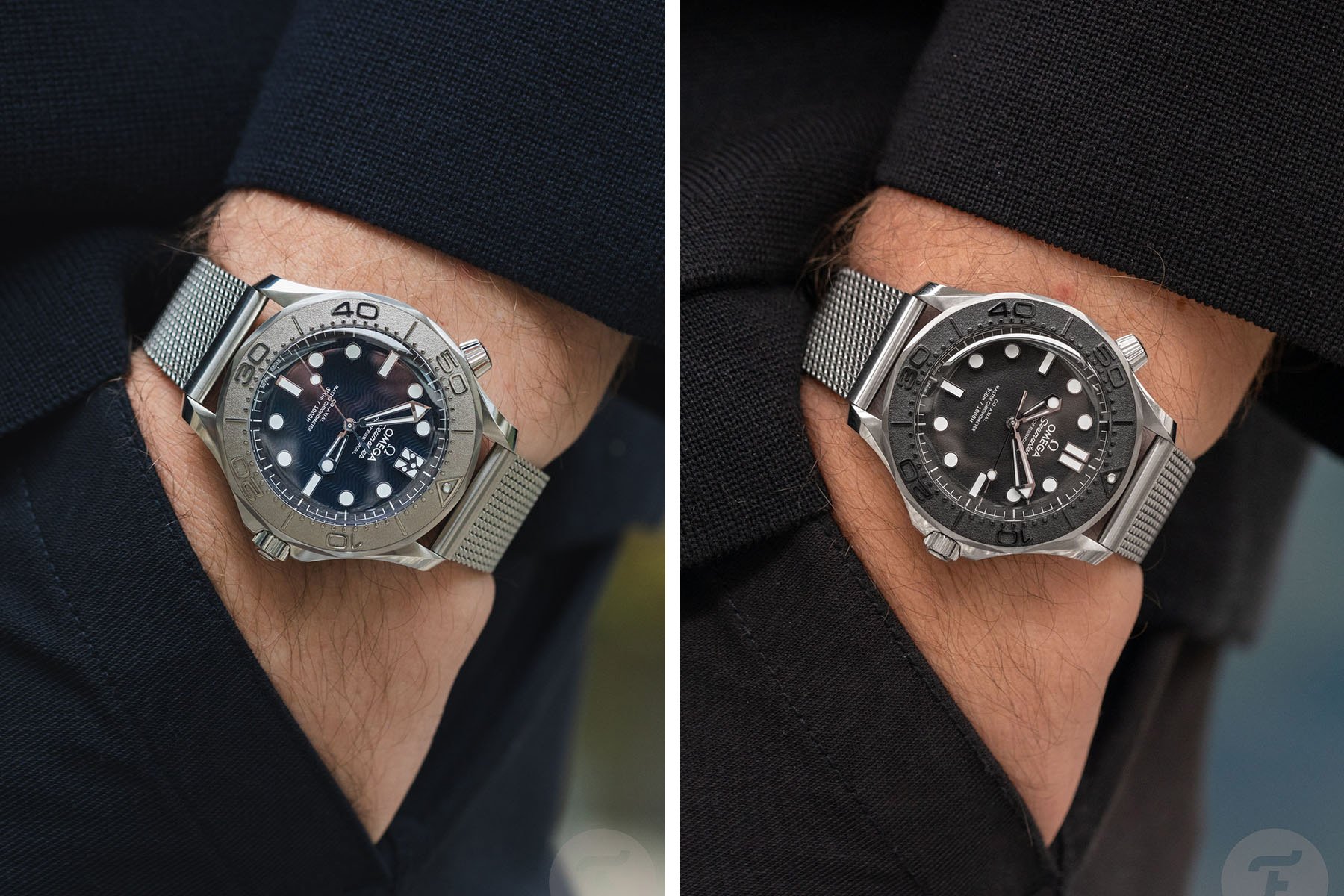
That connection between history and modern collecting runs through many of today’s stories. Three bold new sport-watch dials show how brands are using color to create emotional distinction. Affordable Royal Oak alternatives show how once-exclusive design codes continue moving downmarket. Titanium dive watches show that materials once treated as exotic are now central to everyday enthusiast collecting. The hierarchy is changing, but the underlying desire is not. Collectors still want objects that feel specific, intentional and personal.
What makes today’s issue especially interesting is how much creativity is coming from outside the most obvious places. Czapek is freezing meteorite beneath blue lacquer. Straum is turning Norwegian landscape into titanium texture. Nodus is building an exposure gauge for photographers into a mechanical watch. Ollech & Wajs is answering years of collector demand with a revived 24-hour military design. Trilobe is continuing to make time itself feel unfamiliar.
The best part is that none of this points in only one direction. The watch world is not becoming simply more luxurious, more affordable, more colorful, more nostalgic or more technical. It is becoming more plural. A collector can admire a Greubel Forsey finishing standard, buy a Casio digital watch, read about Versailles, and still be genuinely tempted by Snoopy. That is not inconsistency. That is the modern collecting condition.
The old assumption was that taste moved upward: from affordable watches to luxury watches, from quartz to mechanical, from fun to serious. Today’s market suggests something more interesting. Taste now moves sideways. It crosses categories. It borrows freely. It lets a collector love a cartoon dial and a perpetual calendar without apology.
That may be the healthiest sign in the watch world right now. The industry is at its best when it remembers that time can be measured in many registers: prestige, craft, utility, nostalgia, humor, design and memory. The watches that endure are not always the most expensive or the most complicated. They are the ones that give people a reason to look twice. - Michael Wolf mwolf@buyingtime.news