Comprehensive Guide to Chronometer Certifications and In‑House Quality Seals
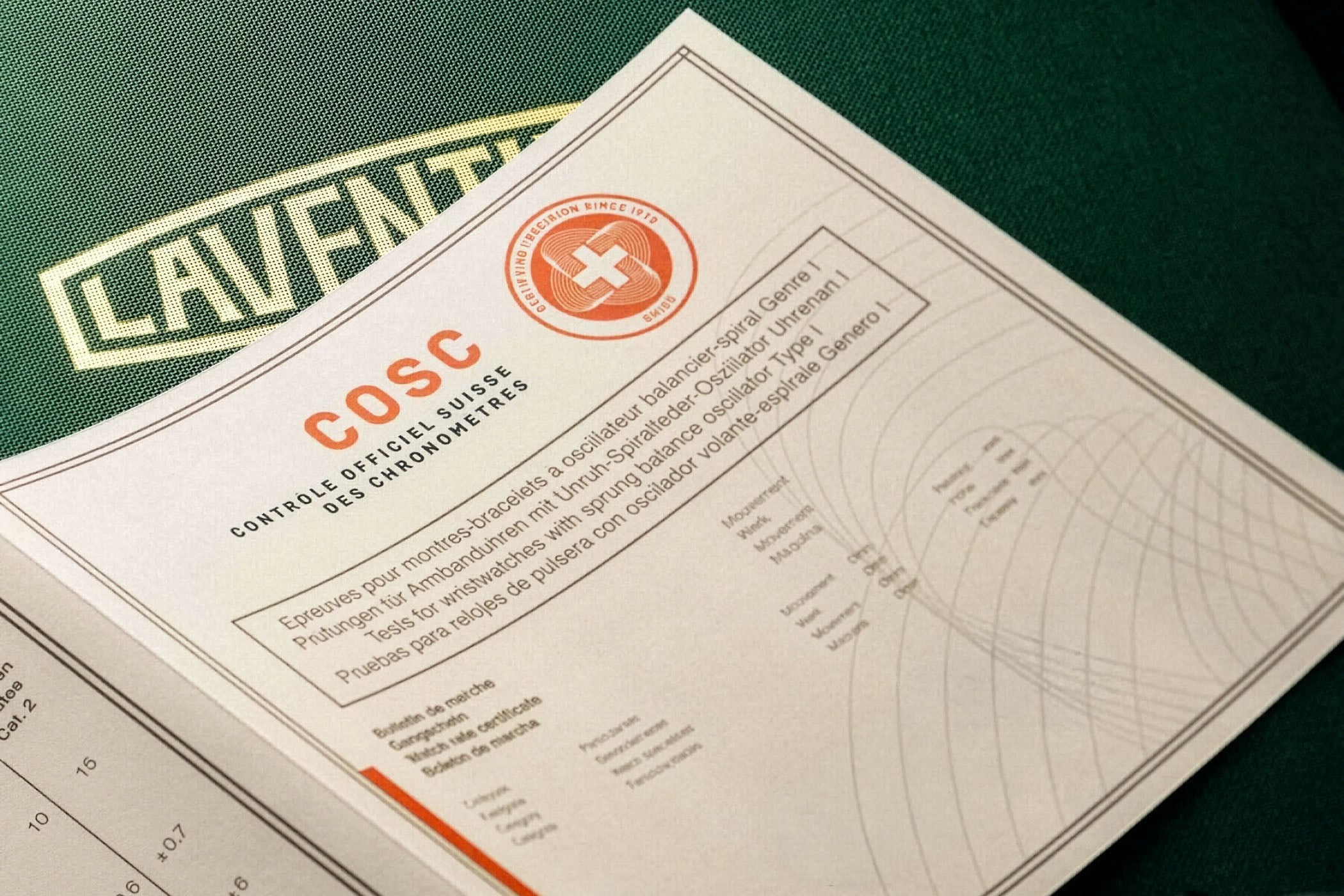
The piece traces the evolution of chronometer certifications from early precision breakthroughs in the 17th century to modern standards, highlighting key milestones such as the British Royal Observatory’s first timing trials, the establishment of observatory certificates like the Kew “A” rating, and the development of the Geneva Seal. It explains how regional observatories and their Bulletin de Marche certificates laid the groundwork for contemporary bodies, leading to the formation of COSC in 1973, the adoption of ISO 3159, and the emergence of stricter programs like Excellence Chronometer Certified, METAS Master Chronometer, and Qualité Fleurier. In‑house certifications are also covered, detailing the Geneva Seal’s rigorous finishing requirements, the Patek Philippe Seal’s tighter accuracy limits, Rolex’s Superlative Chronometer, and other brand‑specific standards such as Omega’s Laboratoire de Précision, Jaeger‑LeCoultre’s High Precision Guarantee, and Grand Seiko’s criteria. The article emphasizes that while these proprietary marks showcase exceptional craftsmanship, third‑party certifications remain essential for validating accuracy, performance, and reliability across the global watch industry.
Buying Time Analysis: The article highlights the historical evolution and modern significance of chronometer certifications, showing how rigorous testing standards ensure watch precision, uphold industry credibility, and guide both manufacturers and consumers in valuing high‑quality timepieces.