Luxury Brands Must Adopt True Rarity, Short Supply Chains, and Made‑On‑Demand Models
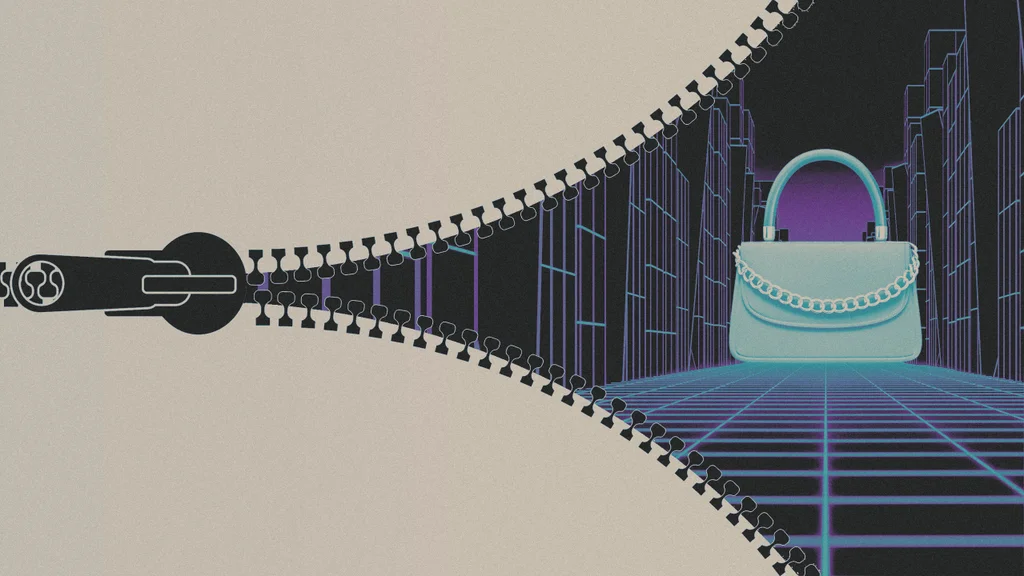
The luxury sector is confronting a structural decline as its traditional growth model—centered on heritage, mass marketing, and extensive supply chains—has become a liability. Brands are experiencing an innovation recession, with overreliance on iconic products, and a reputational recession, as price hikes outpace perceived value, leading to a loss of millions of consumers. Environmental and social pressures further expose the unsustainability of current practices, while talent attrition signals internal disengagement. A shift toward genuine rarity and on‑demand production, inspired by pre‑1990s models, could revive the industry. Leveraging AI for precise forecasting, shortening supply chains, and emphasizing repair, refurbishment, and circular services would reduce waste and restore authenticity. Redirecting investment from marketing to innovative materials, regenerative systems, and localized craftsmanship promises both ecological benefits and renewed consumer desirability, positioning forward‑thinking luxury brands for sustainable growth.
Buying Time Analysis: The story highlights how luxury brands face a structural decline due to over‑reliance on heritage and artificial scarcity, and shows that adopting true rarity, short supply chains, and on‑demand production is crucial for restoring relevance, sustainability, and growth.