Key Technologies That Revolutionized Watchmaking
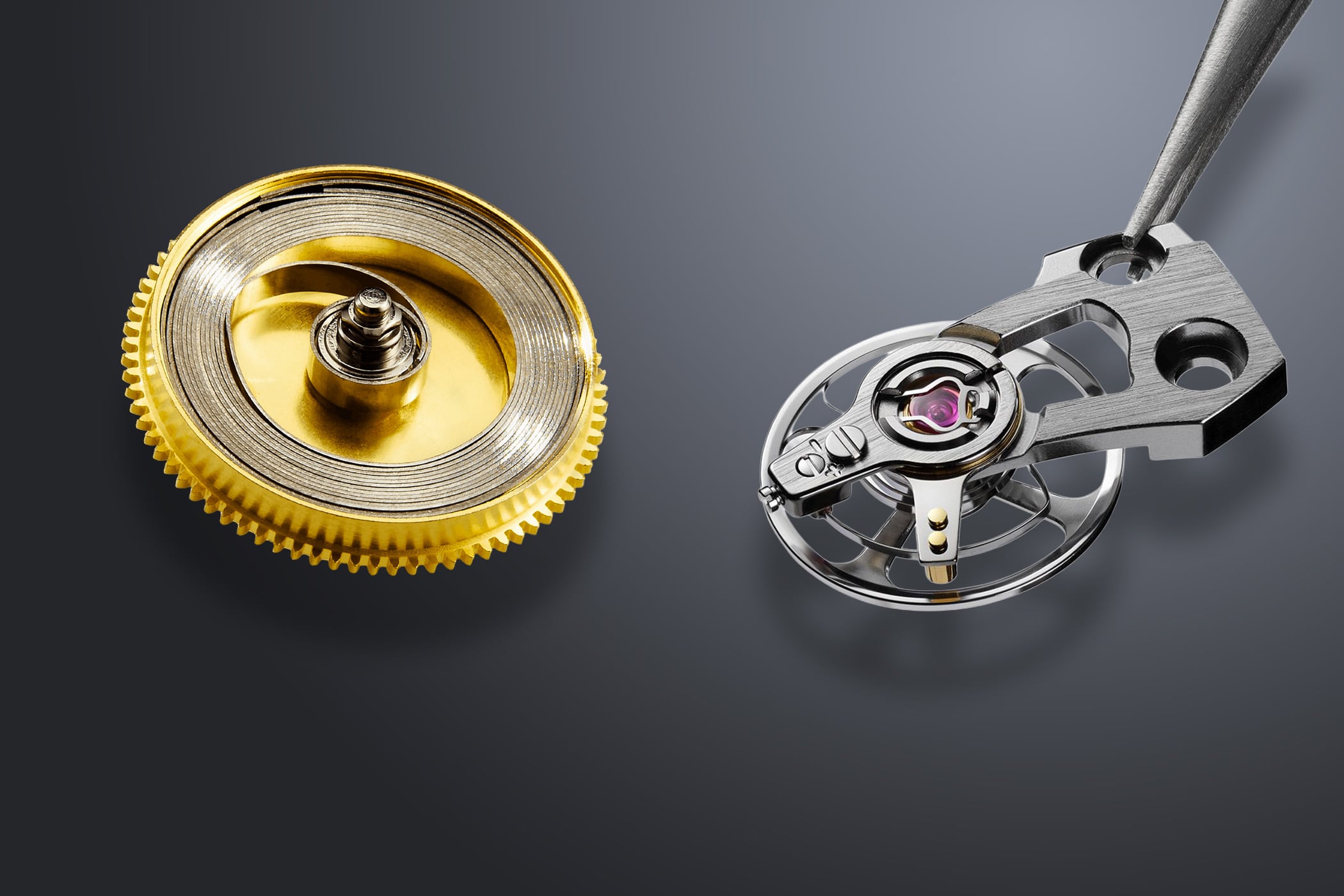
The evolution of watchmaking is marked by a series of groundbreaking inventions that transformed portable timekeeping from bulky, inaccurate pocket devices into the precise, reliable wristwatches of today. Early innovations such as the mainspring replaced heavy weights, allowing clocks to become truly portable, while the fusee and later the going barrel improved power consistency. The balance wheel and hairspring, introduced in the 17th century, dramatically increased accuracy, enabling minute‑hand functionality. Subsequent developments like the lever escapement refined the release of energy, and the introduction of synthetic jewels reduced friction and wear, further enhancing reliability. Mass production techniques in the 19th and 20th centuries, pioneered by American manufacturers and later adopted by Swiss brands, brought interchangeable parts and automated assembly to the industry. This shift lowered costs and made high‑quality watches accessible to a broader market. Modern advancements, including specialized alloys for mainsprings, silicon hairsprings, and sophisticated CNC machining, continue to push the boundaries of performance and durability, ensuring that mechanical watches remain both a testament to engineering heritage and a viable technology in the contemporary era.
Buying Time Analysis: The article highlights how pivotal innovations—from the mainspring to synthetic jewels—revolutionized watchmaking, enabling precise, affordable, and mass‑produced timepieces that shaped modern society’s relationship with time.