Patina and Prestige: How Time Shapes Beauty
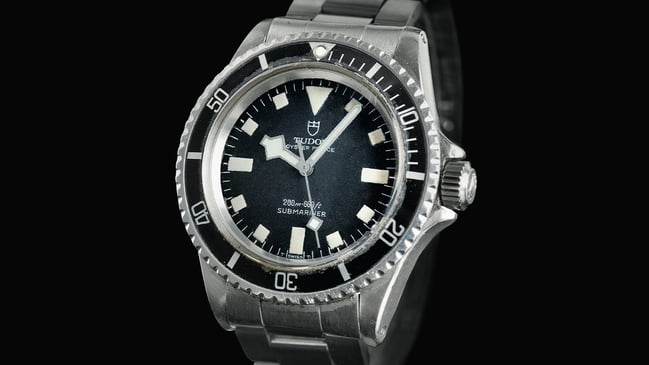
Patina and prestige emerge as watchmaking’s subtle storytelling, where age, wear, and environmental exposure transform dials, bezels, and cases into unique visual signatures. Tropical dials acquire warm brown tones after prolonged UV exposure, while spider dials develop delicate web‑like cracks, both reflecting the unpredictable journey of each piece. Bezels, especially those made from Bakelite or aluminum, fade into ghostly shades, whereas ceramic remains virtually unchanged, offering durability over character. Luminous materials such as tritium, radium, and Superluminova illustrate the spectrum of aging, from radioactive decay that shifts colors to modern compounds that retain their original hue. Metals also evolve: stainless steel darkens and softens with use, bronze rapidly forms a greenish‑blue oxide layer, and silver tarnishes to gray or black, each adding depth to a watch’s personality. Collectors prize these natural transformations, seeing patina as a record of time and personal interaction rather than a flaw. This appreciation drives demand for vintage pieces with distinct aging, while contemporary brands balance durability with intentional material choices that allow watches to develop their own character as they age.
Buying Time Analysis: This story highlights how natural patina transforms watches into unique, historically rich pieces, underscoring the collector’s appreciation for age‑induced character that cannot be replicated.