Shadow Icons: Overlooked Audemars Piguet Royal Oak Offshore
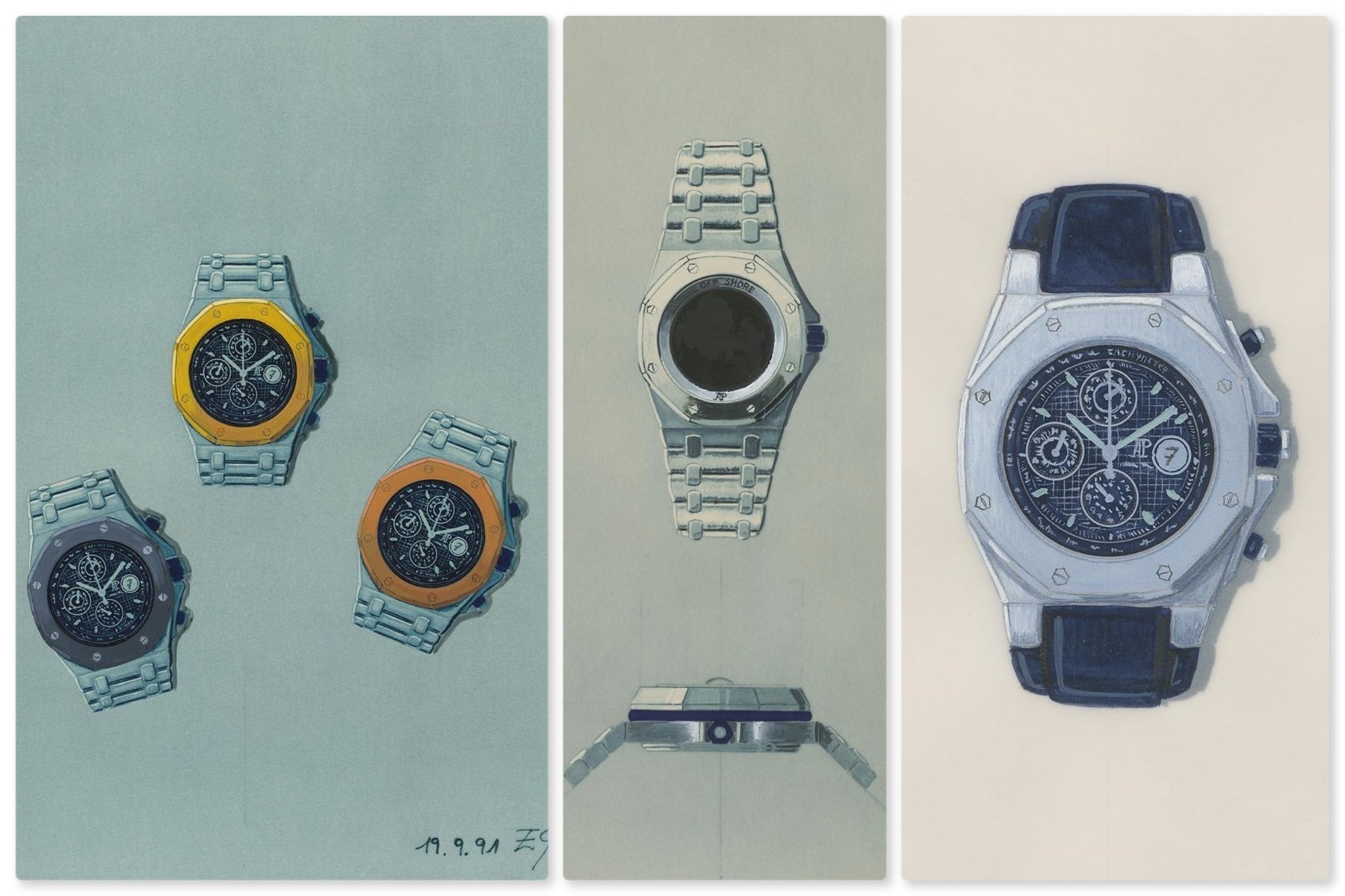
The piece explores how Audemars Piguet’s Royal Oak Offshore, initially dismissed as a derivative of the original Royal Oak, has evolved into a distinctive “shadow icon” within the brand’s lineup. Launched in 1993 under Emmanuel Gueit’s direction, the Offshore faced internal resistance and criticism from Gérald Genta, yet it gained traction among Formula 1 drivers and gradually earned its own identity. Over the years the collection expanded across materials such as gold, platinum, titanium, ceramic, and forged carbon, while retaining hallmark features like the octagonal bezel, prominent screws, and a robust case design. Key milestones include the 20th‑anniversary limited edition in 2013, the 25th‑anniversary model in 2018, and the introduction of an in‑house automatic chronograph movement in 2021, all of which cemented the Offshore’s reputation for bold innovation. The author argues that the current titanium reference 26238TI stands out as the most compelling shadow icon, offering a muted gray‑and‑black dial and rubber pushers that echo the watch’s sporty heritage while signaling evolution. Although the steel version appears polished and the blue ceramic model is striking, the titanium piece balances aesthetic restraint with modern materials, despite its high price of CHF 40,600. This choice reflects a preference for functional understatement over flashy excess, positioning the titanium Offshore as a worthy successor to the original Royal Oak’s iconic status.
Buying Time Analysis: This story highlights how the Audemars Piguet Royal Oak Offshore evolved from a controversial design into a celebrated “shadow icon,” illustrating the brand’s innovation, market influence, and the significance of design risk‑taking in luxury watchmaking.