The Moser Doctrine
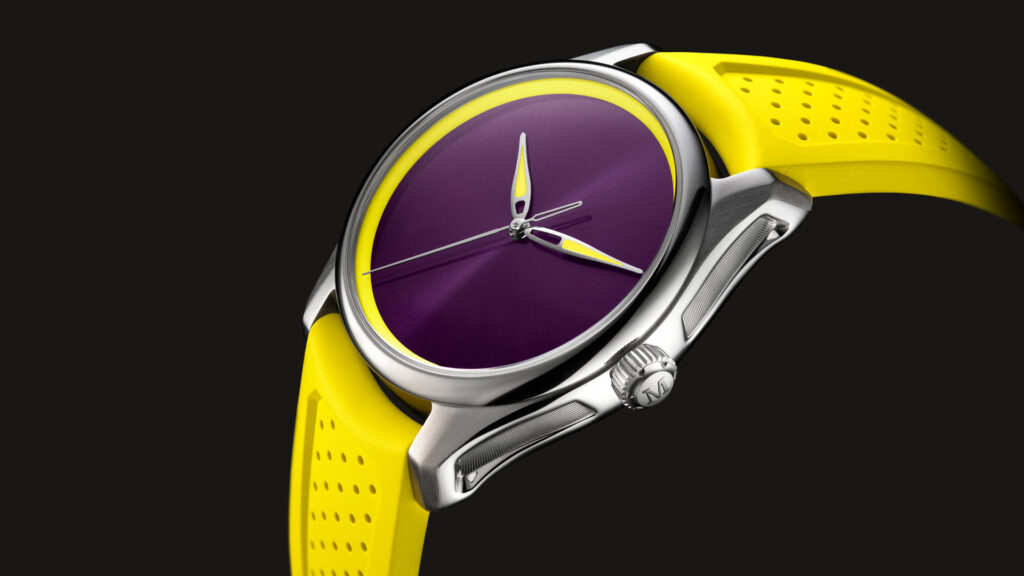
H. Moser & Cie’s modern resurgence stems from two distinct revivals that transformed a dormant historic name into a genuine independent luxury watchmaker. After founder Heinrich Moser’s original venture folded, the brand was re‑established in 2002 by investors who rebuilt production in Schaffhausen, followed by a 2012 acquisition by the Meylan family’s MELB Holding. The company now produces roughly 3,500–4,000 units annually, offering a wide price range from sub‑$10 K entry pieces to high‑complication models above $200 K, with an average transaction price around $18 K–$22 K. Its market position sits between traditional high‑end brands such as Patek Philippe and Audemars Piguet, yet it distinguishes itself by maintaining near‑retail secondary‑market pricing and a production‑capped scarcity that discourages speculative flipping. The brand’s strategy combines provocative, earned‑media marketing—high‑visibility stunts and polarising campaigns—with disciplined manufacturing limits, ensuring authenticity and vertical integration in Schaffhausen. Boutique‑only retail and selective buyer qualification reinforce this disciplined approach, attracting collectors, discreet buyers, and terroir‑focused enthusiasts. Financially, H. Moser & Cie generates an estimated CHF 70–100 M in revenue, supported by a modest operating margin that reflects the trade‑off between independent production costs and premium pricing derived from genuine scarcity and heritage.
Buying Time Analysis: This story matters because it shows how H. Moser & Cie builds genuine scarcity and pricing power through disciplined production limits and provocative, earned‑media marketing, offering a strategic lesson for luxury brands on balancing brand noise with operational restraint.