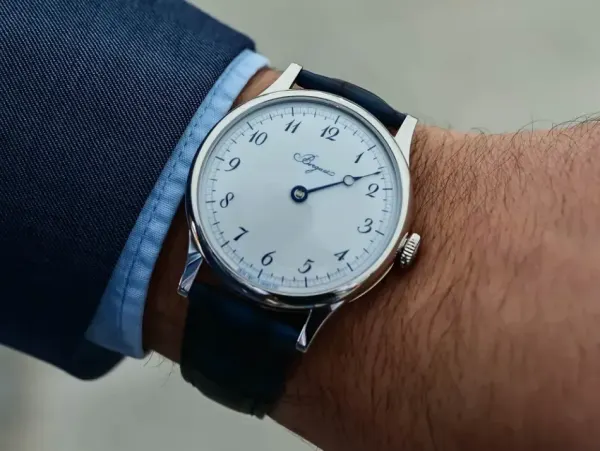
The Unsigned Craftsmen Behind Historic Tourbillons

Historical tourbillon carriages were often built by specialist watchmakers whose names were omitted from finished watches, which carried the names of the firms that sold them. Records such as observatory reports, trade directories, costing sheets, obituaries, and occasional signatures reveal the work of Ernest Guinand, Auguste Grether, Albert Pellaton-Favre, and James C. Pellaton. In the Swiss trade, tourbillons were treated as escapements assembled by specialists within the établissage system, helping explain why their makers were rarely credited. Attributions based on carriage shapes can be uncertain, since similar designs could pass between workshops and apprentices. The proposed maker “Roulet,” for example, became widely repeated despite a lack of documentary evidence linking him to a tourbillon; surviving records identify Vital Roulet-Tissot as an escapement maker, while a letter from Paul Ditisheim points instead to Grether or Pellaton for a particular carriage. The surviving evidence provides clues to the makers’ contributions but does not always support definitive identifications.
Buying Time Analysis: This story matters because it uncovers the often-anonymous specialists behind historic tourbillons and shows how records and design clues can restore credit to the carriage makers whose work shaped watchmaking history.