Why Leica Produces Watches
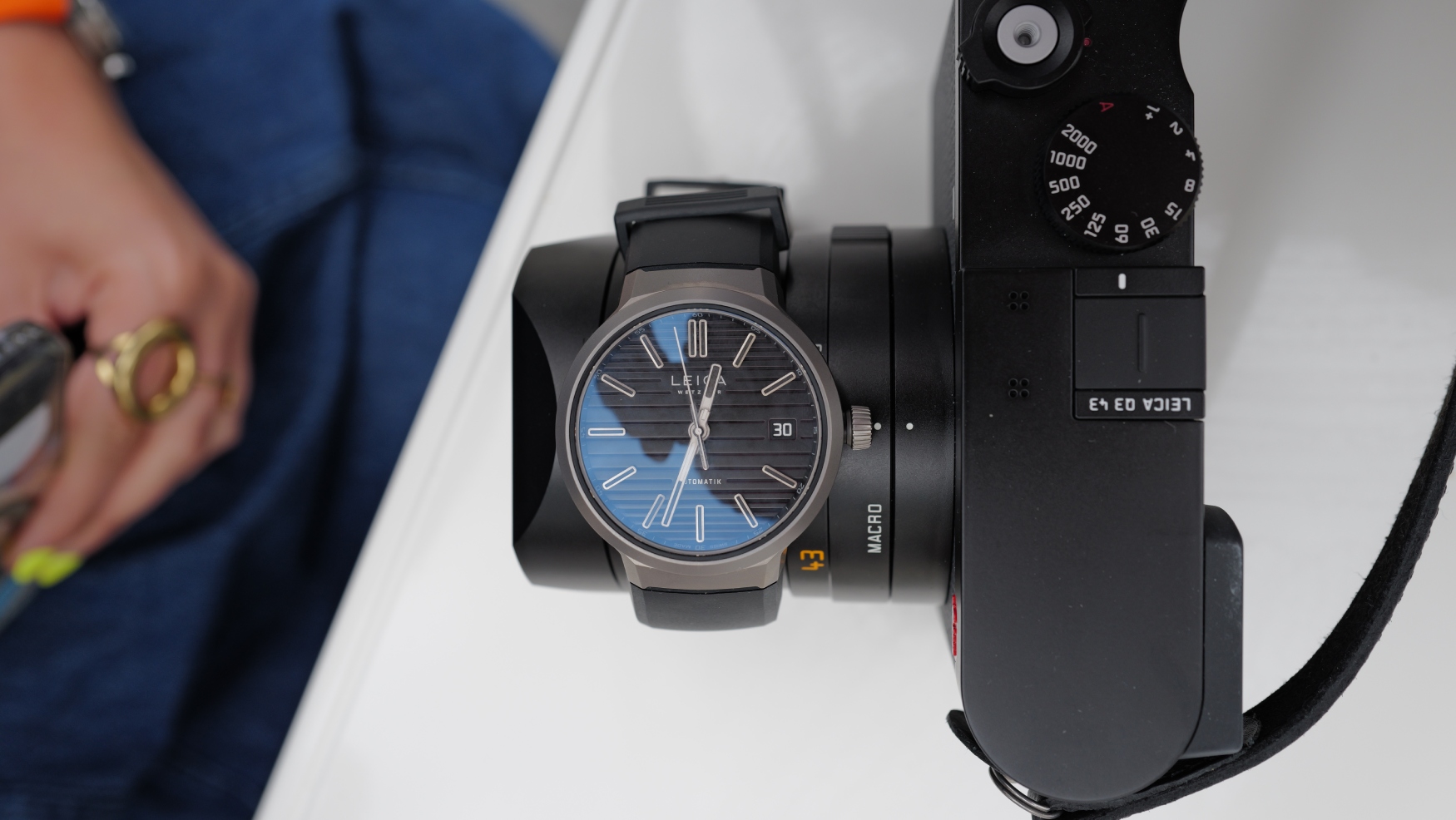
Leica’s venture into watchmaking builds on its storied camera heritage, using the same Bauhaus‑inspired design language and meticulous craftsmanship that define its photographic equipment. While the brand relies on external suppliers for movements—Lehmann for the ZM1 and ZM2 and Chronode for the ZM11 and ZM12—it retains full control over design, ensuring the timepieces echo Leica’s iconic aesthetic. The current collection targets existing Leica enthusiasts, with the ZM1 and ZM2 appealing to loyal camera users and the newer ZM11 and ZM12 attracting newcomers drawn to their contemporary styling. Internally, watches must compete not only with external luxury rivals but also with Leica’s own accessories division, which already enjoys strong market traction. Looking ahead, Leica aims to introduce a more affordable entry‑level model priced around €5,000‑€6,500, hoping to broaden its audience without diluting the brand’s premium image. Achieving this may involve switching to more cost‑effective movement suppliers like Sellita or ETA and bringing greater parts of production in‑house, leveraging Leica’s expertise in glass, metal cases, and leather. Experiments with varied case materials—from brass to titanium—demonstrate the company’s willingness to explore new manufacturing avenues, whether in Germany, Portugal, or potentially Switzerland. Ultimately, watches remain a niche within Leica’s portfolio, positioned as a complementary extension of its camera legacy rather than a replacement for it.
Buying Time Analysis: The story highlights Leica’s strategic push to expand beyond its iconic cameras into luxury watches, revealing the challenges and ambitions of establishing credibility, diversifying its product line, and attracting both loyal Leica enthusiasts and new customers in a competitive market.