How Rolex Prices Have Doubled in 50 Years
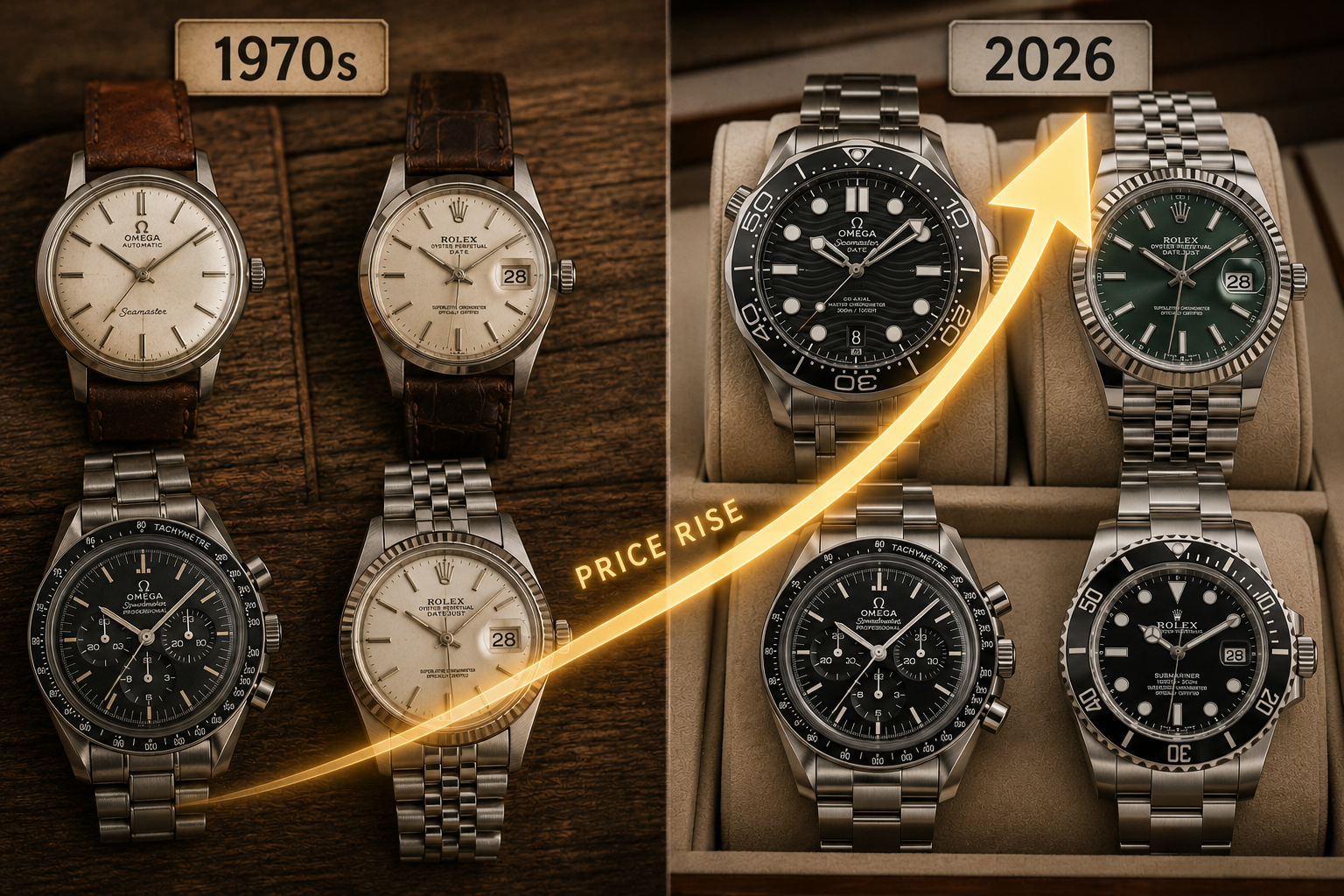
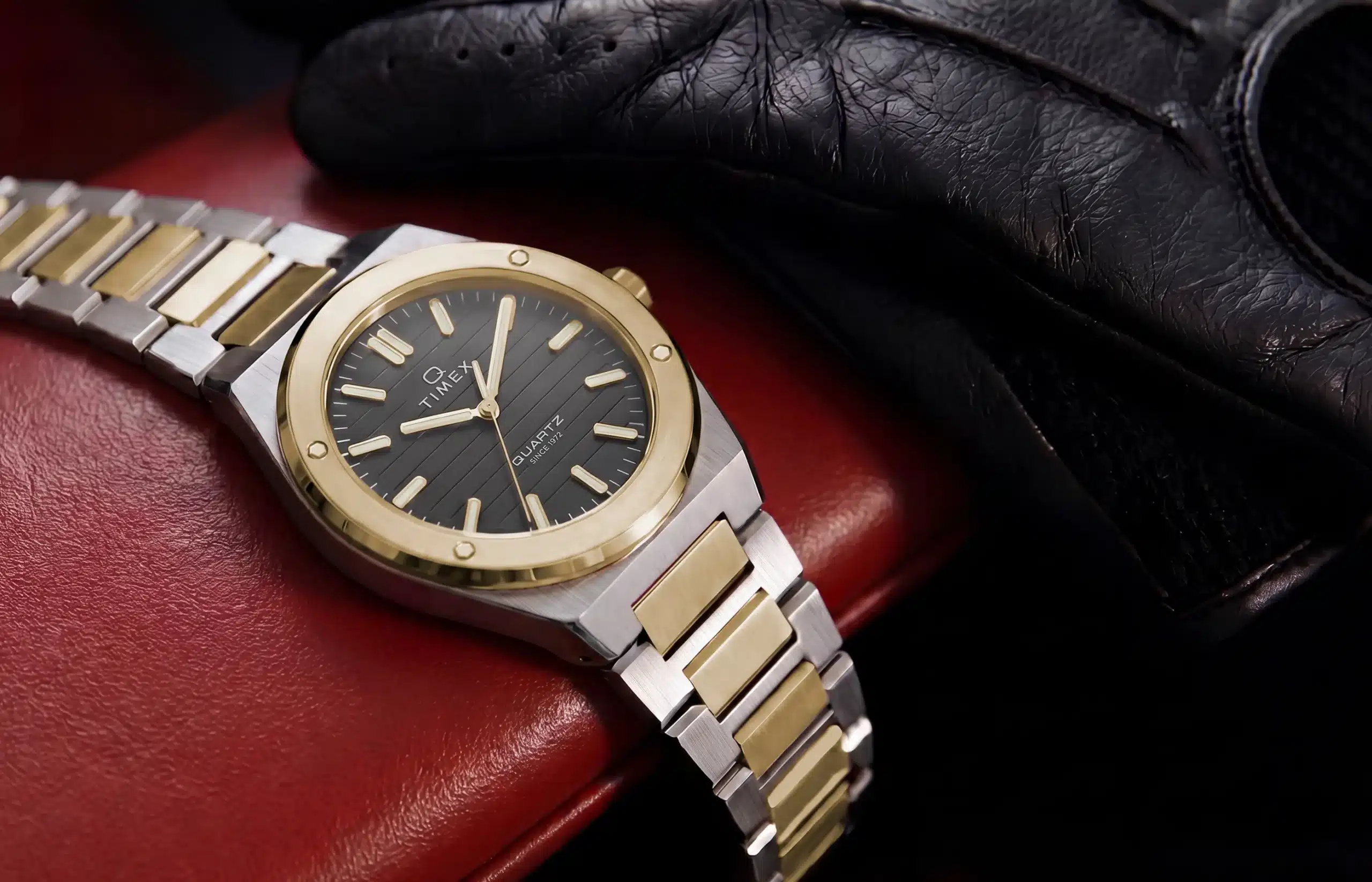
Over the past fifty years, the price of Rolex watches has increased dramatically, rising from about £220‑£280 in the mid‑1970s—roughly one month’s wage for an average British worker—to £6,200‑£7,200 in 2026, equivalent to two months’ pay. While Swiss watchmakers cite higher costs for raw materials, labor, precision machinery, and R&D as reasons for the hikes, the real‑term price doubling is also linked to reduced production volumes and higher retailer margins. In contrast, other brands such as Timex and Seiko have become more affordable relative to wages, highlighting a divergent pricing strategy within the industry. Swiss watch exports have fallen from 16.9 million units in 2023 to 14.6 million in 2025, and many manufacturers rely on government furlough schemes to mitigate workforce reductions, further inflating costs passed to consumers. Despite improvements in accuracy and durability—Rolex now guarantees –2/+2 seconds per day versus the older –4/+6 standard—the core value proposition remains contested. The article argues that Swiss watchmakers must either cut prices or allow underperforming companies to fail, suggesting that reforms in production, distribution, and cost control are essential for maintaining luxury status while improving affordability.
Buying Time Analysis: This story highlights how Rolex and other luxury Swiss watch prices have doubled over 50 years, outpacing wage growth and exposing industry challenges like reduced production, high margins, and reliance on costly support schemes, making it crucial to understand the disconnect between price, value, and affordability.