Issue #276 | Buying Time - October 26, 2026
Zenith moves upmarket, eight Rolexes fail to sell, and collectors ask what luxury is worth when it is time to cash out.
Buying Time in 30 60 Seconds
Zenith’s proposed restructuring puts jobs, production volumes and its future position in the market under scrutiny. The brand wants to move toward more expensive watchmaking, but today’s secondary-market evidence raises an awkward question: how much appetite remains for higher prices? Our Losing Time section examines eight Rolexes that failed to sell during a single auction evening, with the strongest bids collectively covering just 62.8% of sellers’ combined asking prices.
New watches stretch from affordable G-Shocks and Minecraft-inspired Fossils to Singer’s six-day titanium three-hander, Chinese minute repeaters and a platinum-bracelet Datograph Perpetual. Features explore genuine rarity, poetic complications, independent collecting and the pleasures of actually using a watch.
Friday’s Hermès 2026 H08 Chronograph reached $7,000 without selling against a stated $13,100 list price. Tonight, a 2022 Slim d’Hermès Squelette Lune brings openworked mechanics and a double moon-phase display to the auction block. Bidding is scheduled to close at 7:20 p.m. EDT tonight.
Time Graphing Today’s Watch Universe
Luxury Has an Asking Price. The Market Has an Answer.
The watch industry is very good at explaining why a watch should cost more. Better finishing, a more exclusive material, a smaller production run, a more ambitious movement: there is usually a reason available, and often a worthwhile one. The more difficult conversation begins when the owner wants to sell. At that point, the brand presentation ends and another person’s willingness to pay becomes the most important specification.
That tension runs through today’s issue. Manufacturers are reconsidering where they belong, smaller brands are challenging established price structures, and collectors are being offered more ways to spend—from a relatively inexpensive quartz watch to an elaborate complication costing several times the price of a car. There is plenty of creativity. What deserves closer examination is the assumption that moving the price upward automatically strengthens the proposition.
Consider Zenith’s restructuring and proposed move toward the high end. The reported plan involves substantial job reductions and a smaller business built around more expensive watches. The commercial logic is understandable: if the existing operation cannot earn an acceptable return, management must change something. But a higher price bracket is a competitive market of its own. It demands a persuasive product, sustained demand and a clear reason for collectors to choose this particular manufacturer.
Zenith already possesses something valuable: engineering credibility. That is why our editorial argument for making Zenith LVMH’s mechanical coredeserves attention alongside the restructuring reports. A movement-making identity could give the company a durable role across the group while preserving its own watches. The question is whether LVMH can make that technical importance visible and desirable to the customer, rather than allowing Zenith’s contribution to disappear beneath other names on the dial.
The most uncomfortable evidence today, however, comes from the other end of ownership. The Losing Time section highlights eight Rolexes that failed to sell at auction during a single evening—and there were actually many more.These eight are the selected examples, rather than the complete count. For a brand so frequently presented as the safe place to put watch money, that is a pattern worth discussing.
The uncomfortable question is what happens to the Rolex value proposition when an owner actually wants out. Prestige and enjoyment have value, but the investment pitch becomes harder to sustain when prospective buyers demand discounts of this size. A resale valuation offers limited reassurance if nobody present will pay it.
Still, the pattern deserves scrutiny: all eight missed by at least 19%, and four missed by more than 40%. If sellers must hold out indefinitely to preserve their preferred valuations, how durable—and how liquid—is that resale market? Across these eight lots, the strongest bids supported only 62.8% of the combined asking prices.
What, then, is happening in the Rolex secondary market? Are sellers anchored to numbers that buyers have already abandoned? Are particular references finding fewer bidders? How much of the apparent stability depends on watches remaining unsold? An advertised price can sit on a screen indefinitely. An owner who needs to release cash has a deadline, and that difference changes the conversation.
Today’s discussion of genuine rarity and made-on-demand luxury offers another way to think about the problem. Smaller production can be commercially sensible, but scarcity becomes compelling when it follows from something collectors value: difficult craftsmanship, an individual maker’s capacity or a genuinely distinctive object. Restricting supply alone cannot explain every premium. The product still has to earn the attention.
There are encouraging examples throughout the issue. Singer’s Caballeromakes a technically ambitious movement part of a relatively restrained design. Atelier Mephalie’s minute repeaters challenge what collectors expect to pay for chiming complications. At a much more accessible level, Clemence’s Photic MKII Swiss Edition puts its argument into dimensions, practical specifications and a wearable package. Each gives the buyer something specific to consider.
Then there are the forms of value that resist a resale spreadsheet. Eivind Németh’s journey to a Rexhep Rexhepi concerns patience, relationships and a deeply personal watch. Diving with Doxa turns collecting into a shared experience. These are substantial pleasures, and they become easier to appreciate when we stop asking every watch to justify itself as an investment.
Tonight’s Hermès auction brings the issue back to a concrete decision. The Squelette Lune has a distinctive design and serious mechanical interest. Friday’s H08 had its own convincing identity, yet the bidding still stopped without a sale. Admiration and agreement on price are separate stages of the purchase.
Buy the watch because you understand what attracts you to it. Consider the cost of ownership with the same care. And when somebody promises that the money is safe, ask how easily you could actually get it back.
-Michael Wolf
News

Zenith Plans a Smaller Business at Higher Prices
Zenith’s proposed restructuring is the dominant industry story in today’s coverage. Reports describe approximately 100 jobs at risk at Le Locle—roughly half the local workforce—with around another 100 positions internationally potentially affected. A consultation process accompanies a broader effort to reduce excess capacity and improve a business facing difficult demand and operating conditions.
The strategic ambition is to move toward lower-volume, higher-priced watchmaking. That puts the emphasis on whether Zenith can turn its technical reputation into a compelling luxury proposition while managing the human and industrial consequences of the transition.
Zenith’s Reset Raises Questions About the Core Collections
A second account examines the scale of the proposed reset and its implications for Zenith’s familiar product offering. The reporting describes a substantial reduction in conventional production as management prepares a more exclusive future for the brand.
Collectors will want clarity on which references continue, how the transition unfolds and what support remains available for existing watches. The supplied reporting says after-sales operations and component stocks remain part of the business, an important consideration for owners watching the restructuring develop.
A Three-Year Turnaround Aims Toward Haute Horlogerie
The turnaround coverage places a 2029 horizon around Zenith’s repositioning. A substantially smaller output would concentrate attention on watches capable of supporting higher prices, with the G.F.J. and Calibre 135 providing a reference point for the intended direction.
Continuing movement production for other brands could help support the industrial operation during that change. The challenge is to establish a sustainable balance between Zenith’s role as a supplier and its ambitions as a watch brand.
The Le Locle Job Cuts Put the Industrial Cost in Focus
Another report concentrates on the approximately 100 positions threatened at Zenith’s Le Locle manufacture. The proposed reductions expose the pressure on an operation whose capacity no longer matches the volume management expects to sell profitably.
Currency strength, tariffs and weaker demand form the wider backdrop described in the coverage. For the people making the watches, the move upmarket carries consequences well beyond a revised price list.
Le Temps Examines Zenith’s Ultra-Luxury Ambition
The Le Temps account frames the restructuring as a departure from Zenith’s established market position toward a more exclusive segment. The attraction is the possibility of earning more from fewer watches; the uncertainty is how much demand that repositioned brand can sustain.
The report also places Zenith within the broader difficulties facing Swiss watchmaking. Moving upward may change the competitive set, but it leaves management with the same fundamental requirement: enough customers willing to buy at the proposed prices.

Chrono24 Introduces Watch Insurance Based on Market Value
Chrono24’s new insurance offering addresses a practical problem for pre-owned buyers: protecting a watch at a value relevant to the market in which it was purchased. The reported service launches in the United Kingdom, Germany, France, Italy, the Netherlands and Spain, with accidental-damage protection and an optional theft extension.
The policy runs for one year without automatic renewal and can be added within the specified eligibility window. Coverage limits and exclusions matter: the offering is not a blanket solution for loss or misplacement. For collectors, the useful development is another option for insuring an individual watch without relying entirely on general household coverage.
Features
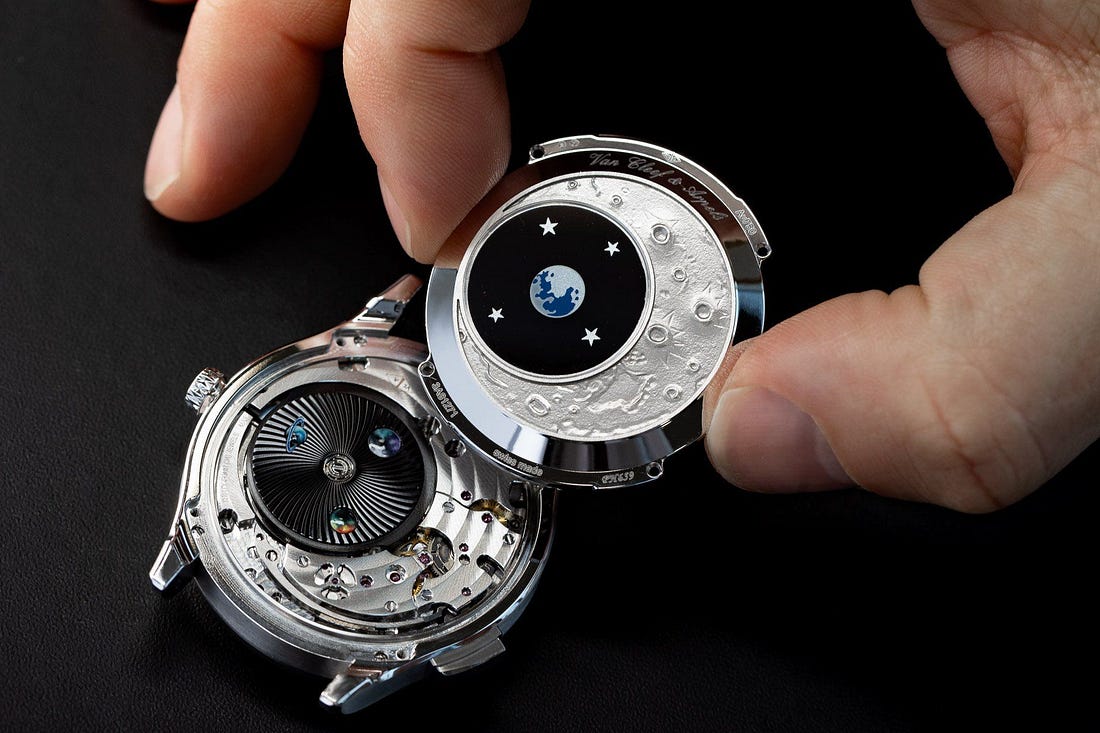
Van Cleef & Arpels: Twenty Years of Making Mechanics Tell Stories
Van Cleef & Arpels’ poetic complications make mechanical watchmaking serve an unusual purpose: creating a small narrative on the wrist. Animated butterflies, changing skies and carefully choreographed scenes require substantial engineering, even when the finished effect appears effortless.
This retrospective examines the mechanisms and decorative crafts behind that illusion. It also considers newer expressions of the idea, including lunar displays that change the viewer’s perspective. The attraction is the partnership between technical execution and emotional effect.

Can Genuine Rarity Give Luxury a More Convincing Future?
Luxury’s familiar growth formula faces a credibility problem when repeated price increases outpace customers’ sense of what they receive. This feature argues for shorter supply chains, more deliberate production and a renewed emphasis on objects whose scarcity follows from how they are made.
Repair, refurbishment and production closer to actual demand form part of the proposed alternative. For watch collectors, the question is practical: can brands invest more visibly in the product and its long-term ownership experience while reducing their dependence on marketing and price escalation?
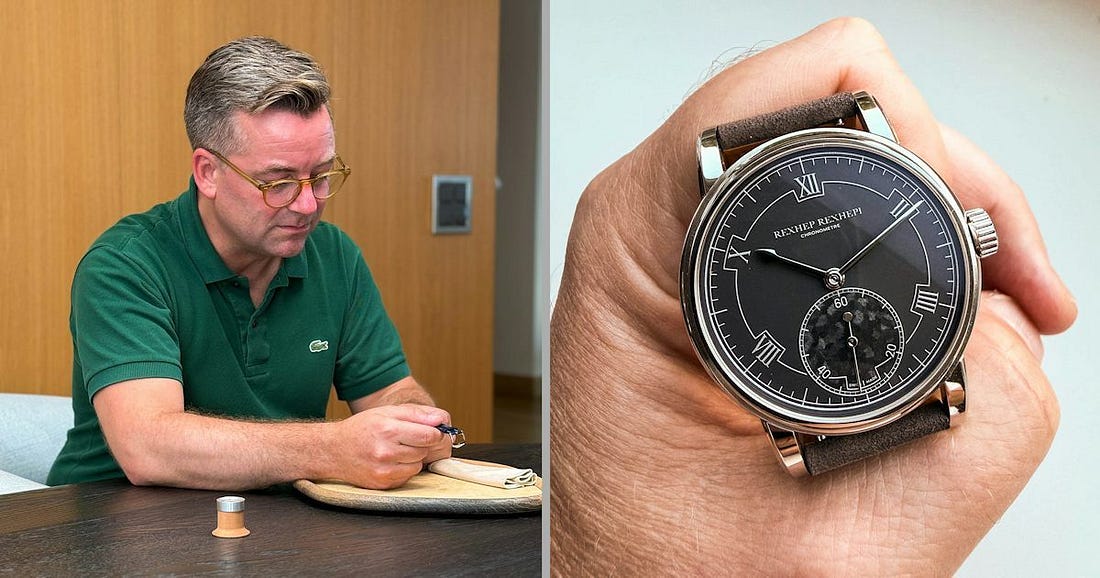
Eivind “Edthezilla” Németh’s Long Road to a Rexhep Rexhepi
Norwegian collector Eivind Németh’s watch story moves from family connections and familiar classics toward a highly personal independent commission. Years of admiration and anticipation eventually led to a Rexhep Rexhepi Chronomètre Contemporain II with a light-grey grand-feu enamel dial and his initials engraved into the watch.
The interest extends beyond the acquisition. Németh describes the relationships and unexpected connections that developed through collecting, illustrating how a deeply individual object can become part of a much larger community.
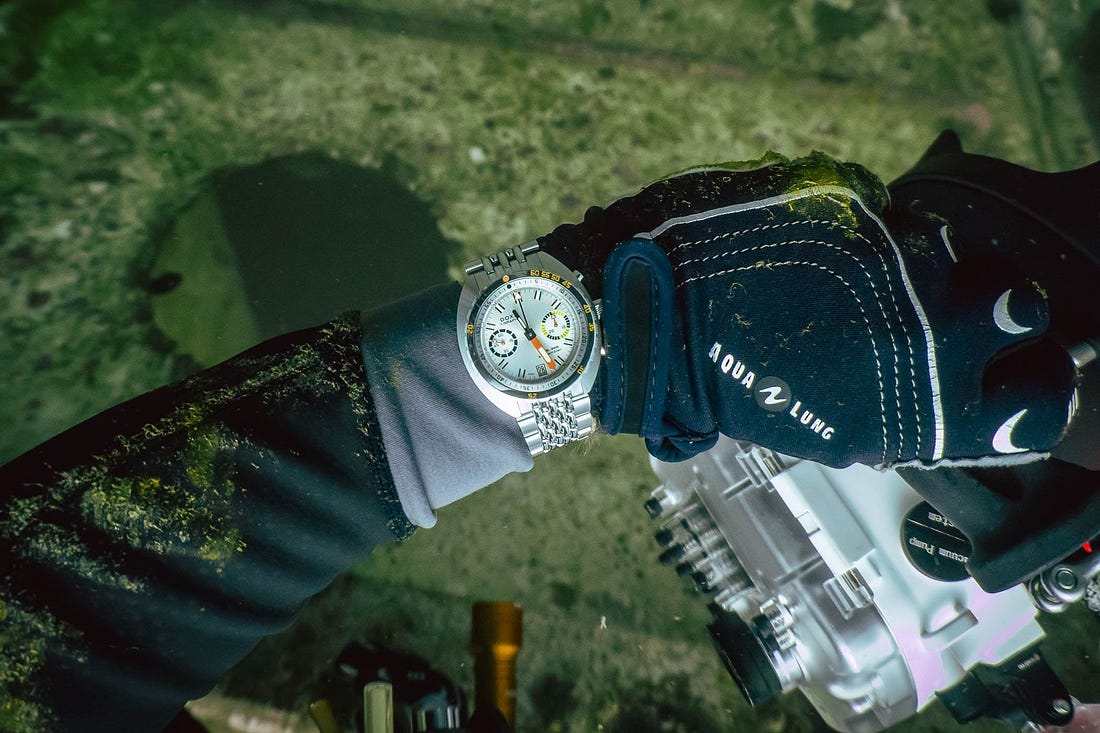
Diving With Doxa: The Watch Is Only Part of the Experience
A dive trip organized by Doxa and The Watch Preserve turns the familiar enthusiasm for dive watches into something social and practical. Participants compare pieces, exchange stories and take the watches into the environment that informs their identity.
Models including the SUB 300 and SUB 200T provide the equipment and the conversation starters. The larger appeal is the experience itself: friendships, shared interests and a reason to give a watch memories beyond the display case.
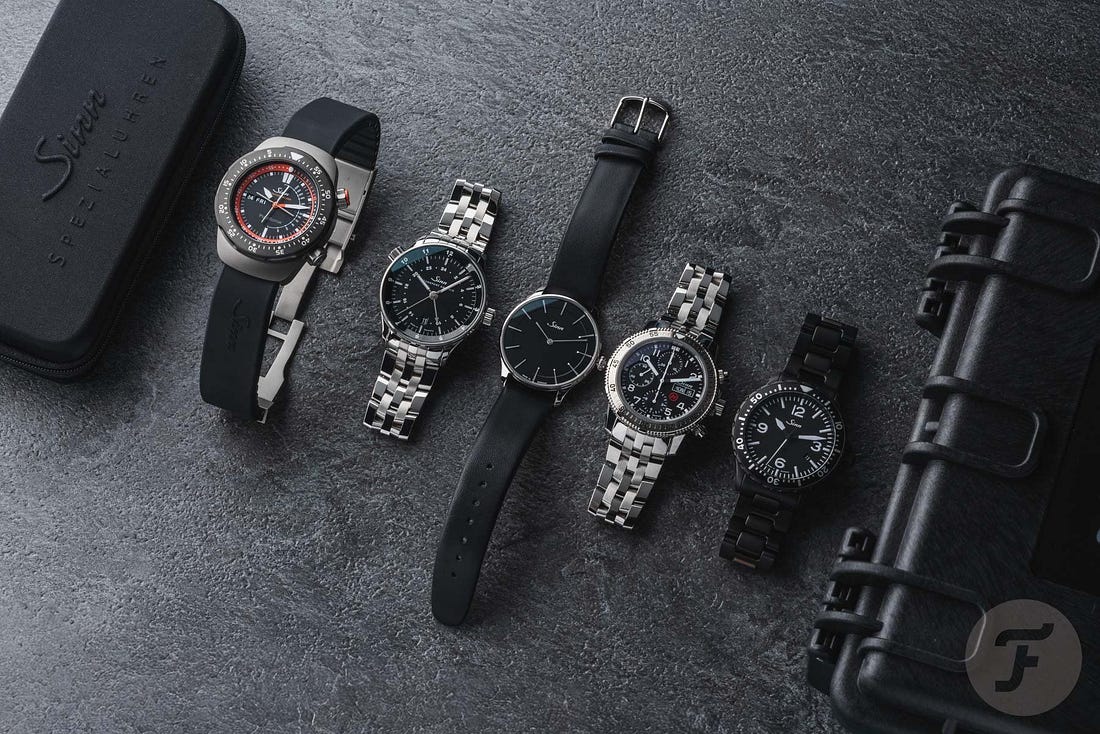
Sinn’s Less Obvious Watches Reward a Closer Look
Sinn’s catalog extends well beyond the references that dominate online discussion. This selection explores quieter corners of the range, from practical pilots’ watches and divers to more restrained dress-oriented designs.
The common thread is functional engineering. Materials, magnetic protection, moisture-management systems and case treatments give collectors reasons to investigate beyond appearance alone. It is useful reading for anyone who likes the brand’s philosophy but wants something less predictable.
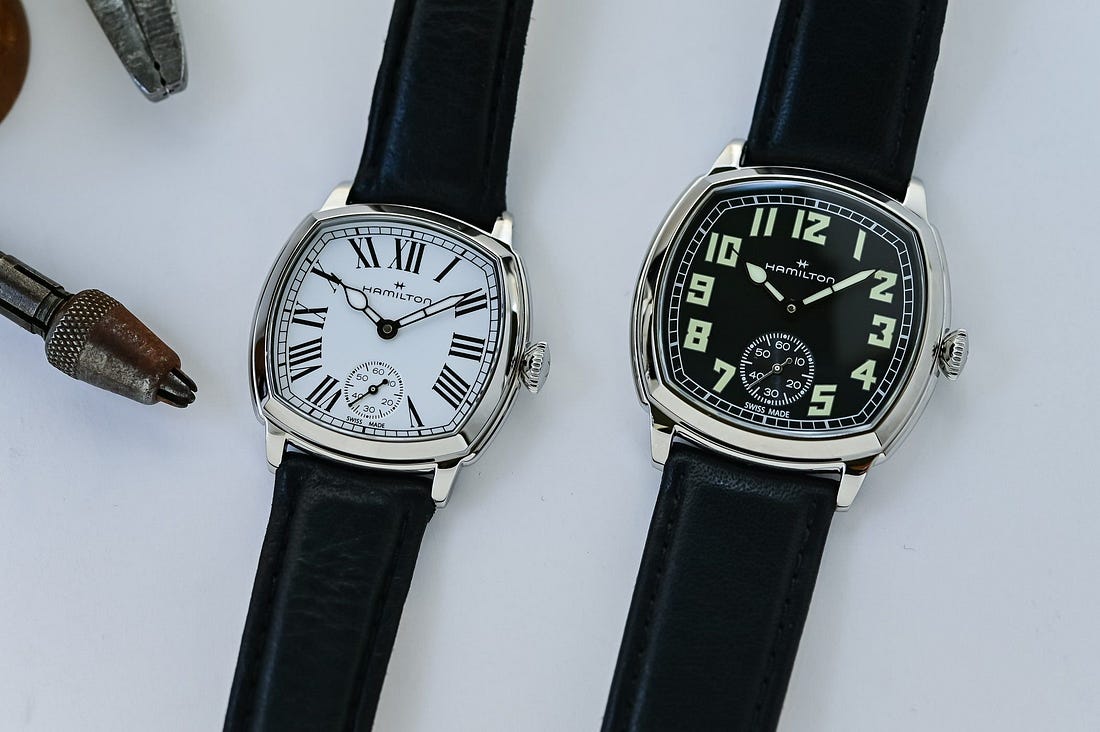
Six Cushion Cases Soften the Familiar Square
Cushion-shaped watches offer an appealing middle ground between conventional round cases and sharper geometric designs. This selection explores how softened corners can create very different impressions across affordable mechanical watches and high-end independent pieces.
The examples span a wide range of dimensions, finishes and prices. Their shared lesson is that case shape can change a watch’s personality as decisively as a complication or dial color.
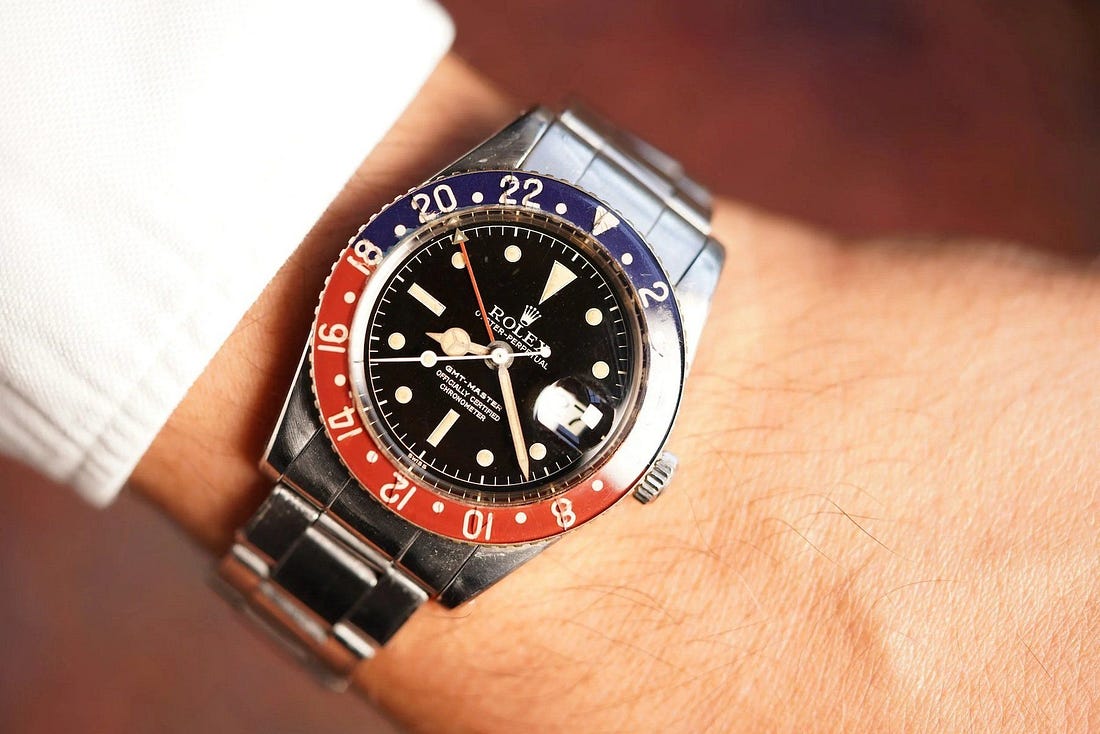
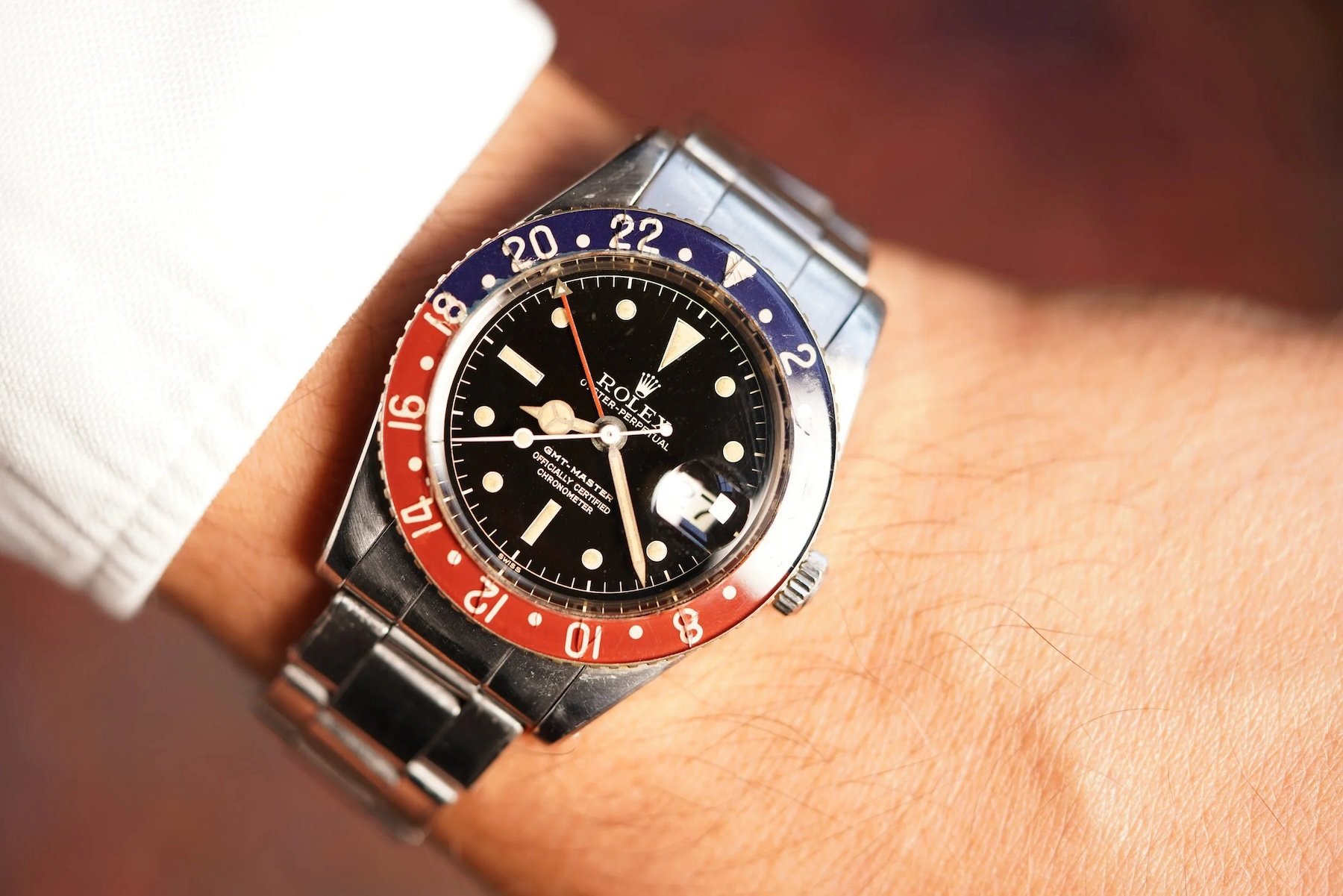
The Rolex GMT-Master 6542 and Its Troubled Luminous Bezel
The original GMT-Master’s luminous bezel forms part of both its appeal and its complicated history. This account revisits the radiation concerns, regulatory attention and replacement efforts associated with examples circulating in the United States around 1959–1960.
For collectors, the story adds context to a reference whose surviving components can carry extraordinary significance. Originality may be desirable, but understanding exactly what survives—and why it matters—requires more than recognizing a famous bezel.

Modernism on King: Architecture Becomes Part of the Watch Experience
The Hour Glass’ King Street boutique in Sydney brings independent watchmaking into a distinctive architectural setting. Curved forms, local materials and spaces designed for conversation give the shop a character beyond a row of display cabinets.
The feature considers how a boutique can encourage education and community alongside sales. For watches whose appeal benefits from explanation and close inspection, the surrounding environment can help create the time and attention they need.
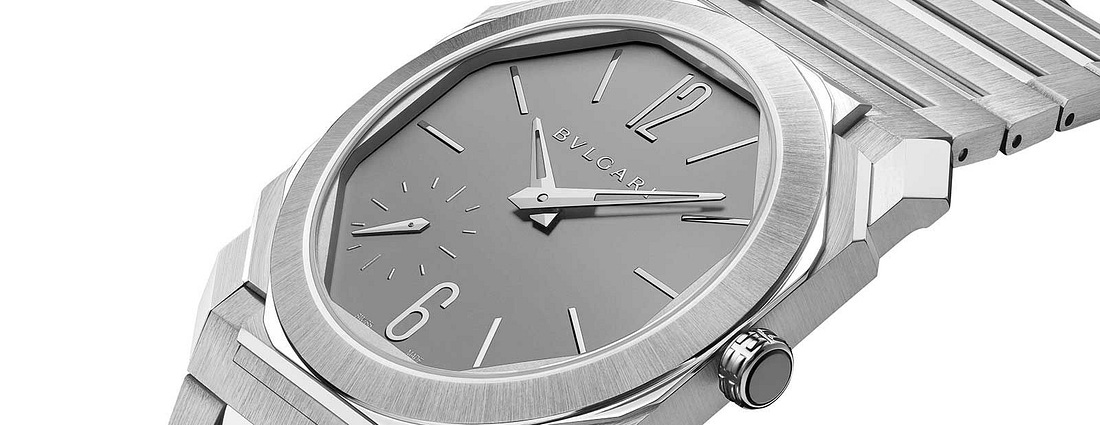
Bvlgari’s 37 mm Octo Finissimo Turns Toward Everyday Wear
The smaller Octo Finissimo places greater emphasis on fit, comfort and proportion while preserving the collection’s architectural identity. A new movement and revised dimensions make the 37 mm format a broader reconsideration of the watch rather than a simple reduction in diameter.
The feature examines whether that approach marks a new stage for a collection long associated with thinness records. For many buyers, the decisive achievement may be a watch that feels right on the wrist.
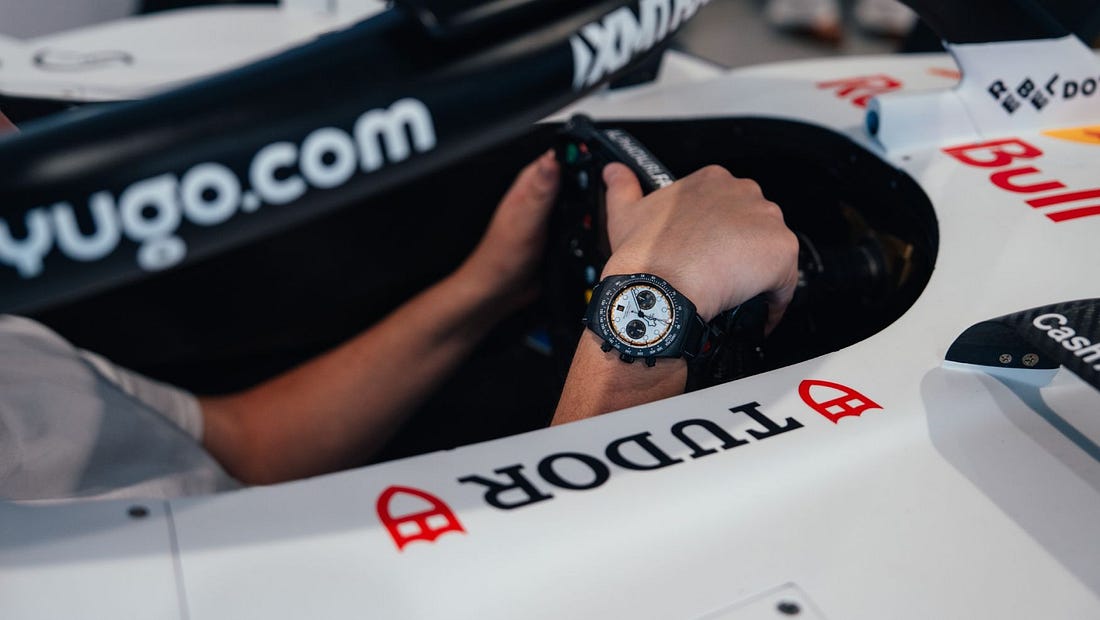
Why Tudor’s Formula 1 Partnership Deserves a Closer Look
A visit to VCARB’s operation in Faenza considers what Tudor and the racing team share beyond a sponsorship agreement. Testing systems, coordination between facilities and a culture of development provide the basis for the comparison.
The argument is that the relationship becomes more understandable when viewed through how the organizations work. Readers can judge whether those operational similarities give the partnership substance beyond its visibility.
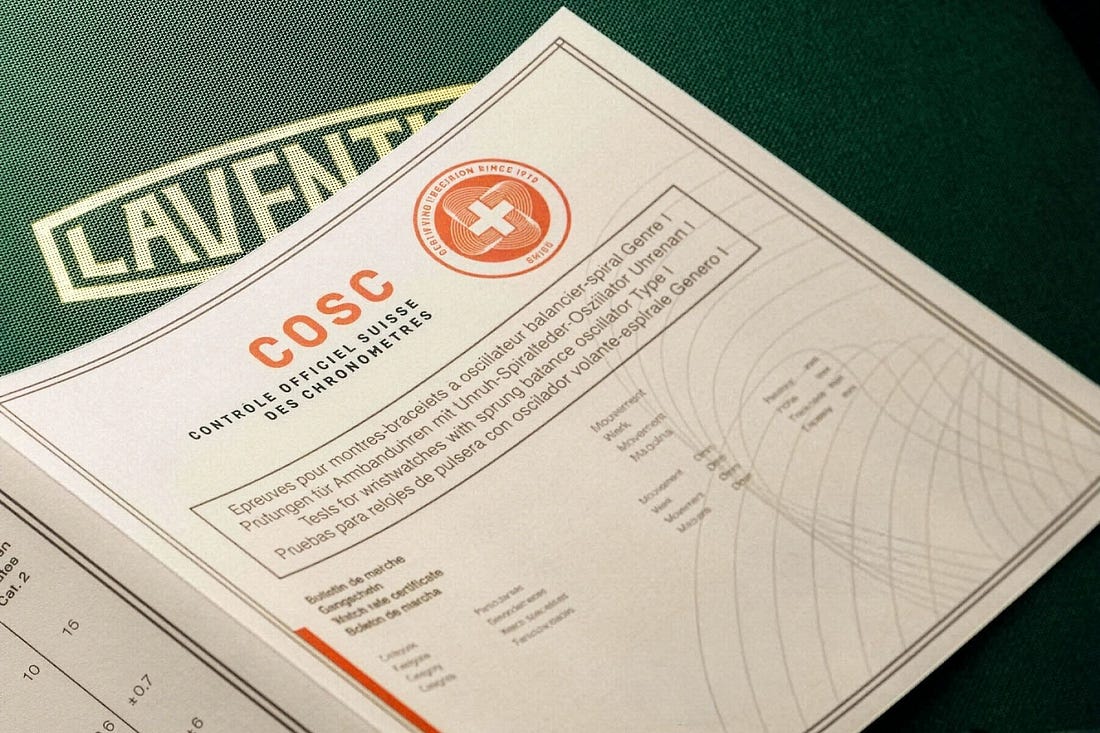
What Watch Certifications Actually Tell the Buyer
Chronometer certificates and manufacturer seals can sound interchangeable while measuring quite different things. This guide traces the development of precision testing and explains how contemporary programs address accuracy, finishing and broader performance.
The distinction between an independently administered test and a brand’s own guarantee is especially useful. Understanding the scope of each standard helps buyers ask better questions about what was tested, under which conditions and at what stage of production.
New Watches
Converted prices are approximate U.S. dollar equivalents, rather than confirmed American retail prices. Conversions use October 23 reference rates of approximately US$1.1203 per euro, US$1.2121 per Swiss franc and US$1.3377 per pound; local taxes and import charges can change the final cost.
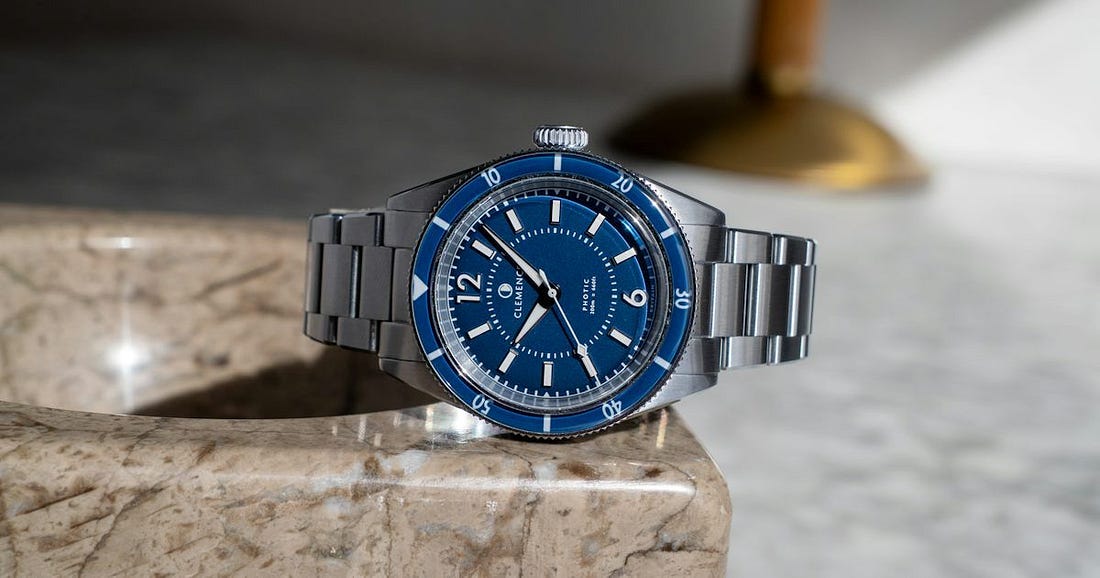
Clemence Photic MKII Swiss Edition: A Compact Diver Gets a Swiss Movement
Clemence’s Photic MKII Swiss Edition pairs an Atoll Blue dial with a Soprod M100 automatic movement in a run of just 25 watches. Its 38.5 mm case and 10.5 mm profile keep the proportions manageable, while 200-meter water resistance and a fully luminous bezel support the sporting brief. A three-link steel bracelet and adjustable clasp complete a package focused on everyday usability. The combination of compact dimensions and thoughtful equipment gives buyers a clear proposition beyond the limited-edition count. Price: approximately US$1,270, converted from £950.
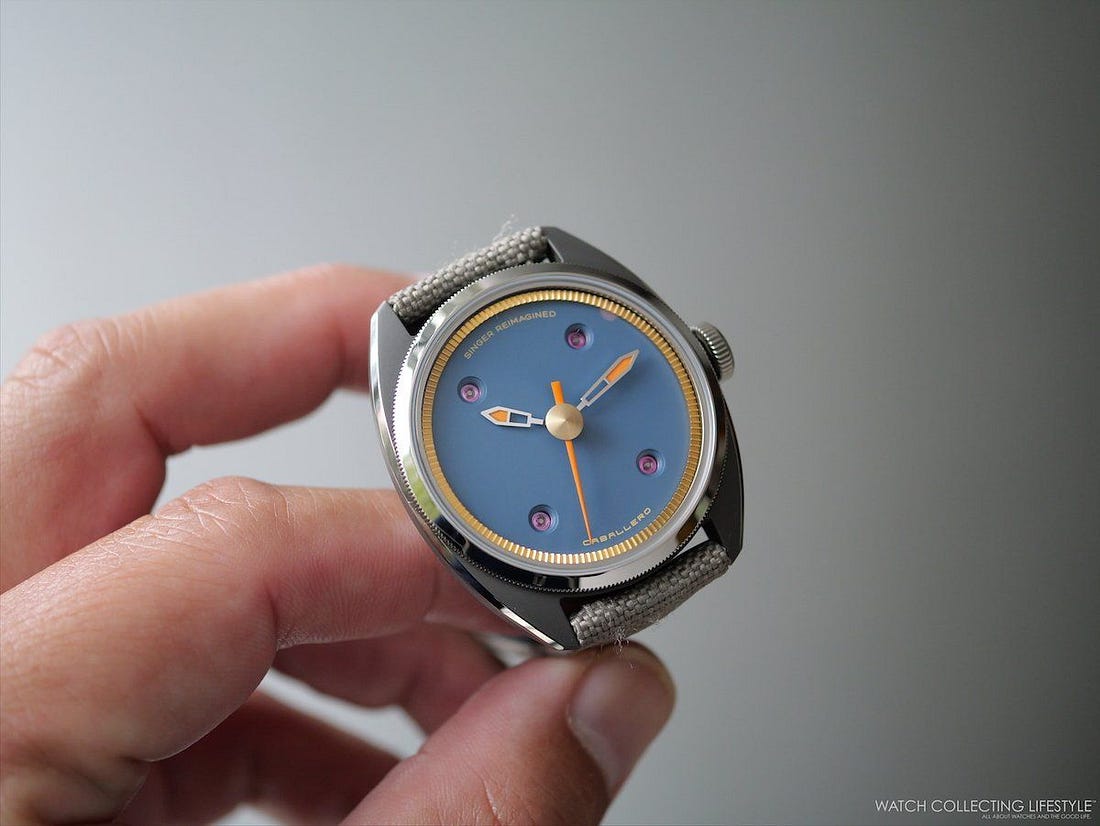
Singer Caballero Titanium Avio Blue: Six Days of Reserve in a Three-Hand Watch
Singer Reimagined’s first three-hand watch puts a substantial mechanical specification behind a comparatively quiet face. The 39 mm Grade 5 titanium case weighs little on the wrist, while the Avio Blue dial, orange luminous hands and visible jewel apertures provide recognizable detail. Its manually wound Solotempo ST5000 uses four barrels to deliver a six-day power reserve, making the movement architecture central to the proposition. A pearl-grey textile strap reinforces the light, contemporary presentation. Price: US$25,000.
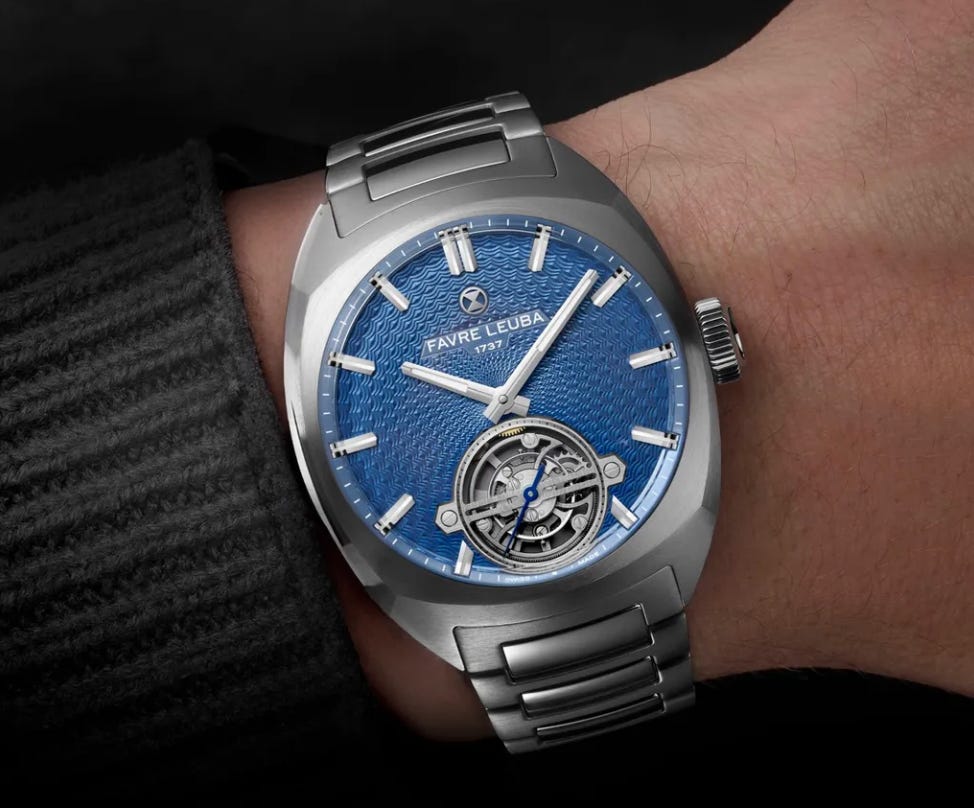
Favre Leuba Chief Tourbillon Guilloché Adds Hand-Cut Texture
Favre Leuba’s latest Chief Tourbillon concentrates its novelty on a blue barleycorn-pattern dial produced by hand guilloché. The 41 mm cushion-shaped steel case houses the manually wound FL T01 tourbillon movement developed with Chronode. Production is limited to 25 pieces, with a steel bracelet and blue rubber strap providing different ways to wear the same watch. The appeal rests on the partnership between the exposed complication and a dial whose surface rewards close inspection. Price: approximately US$31,510, converted from CHF26,000.
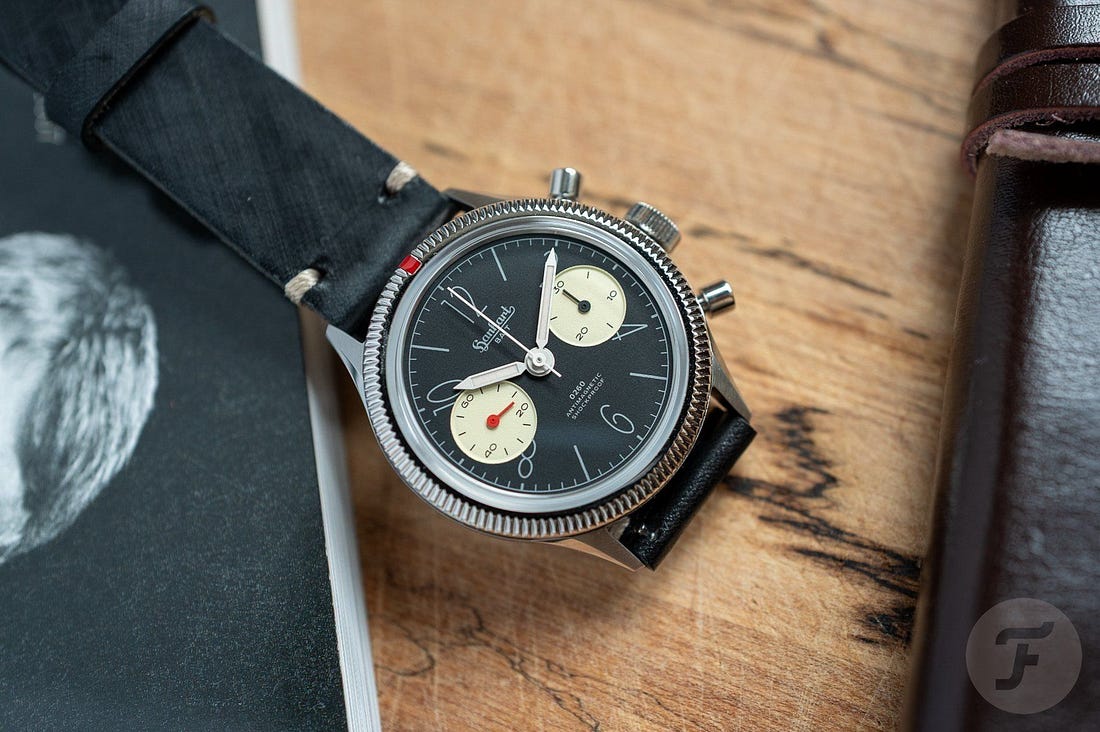
Hanhart 417 ES × 0260 & BAIT Takes a Motorsport Turn
Hanhart joins Miami-based collective 0260 and streetwear brand BAIT for two interpretations of its 417 ES chronograph. Black-and-off-white and beige-and-caramel dials give the 39 mm steel watch distinct personalities, with each version limited to 88 pieces. A manually wound Sellita SW510 M supplies the chronograph mechanism and a reported power reserve of approximately 58–63 hours. The collaboration connects the model’s instrument-watch character with vintage automotive styling, including stitched leather straps. Price: US$3,300 before applicable taxes.
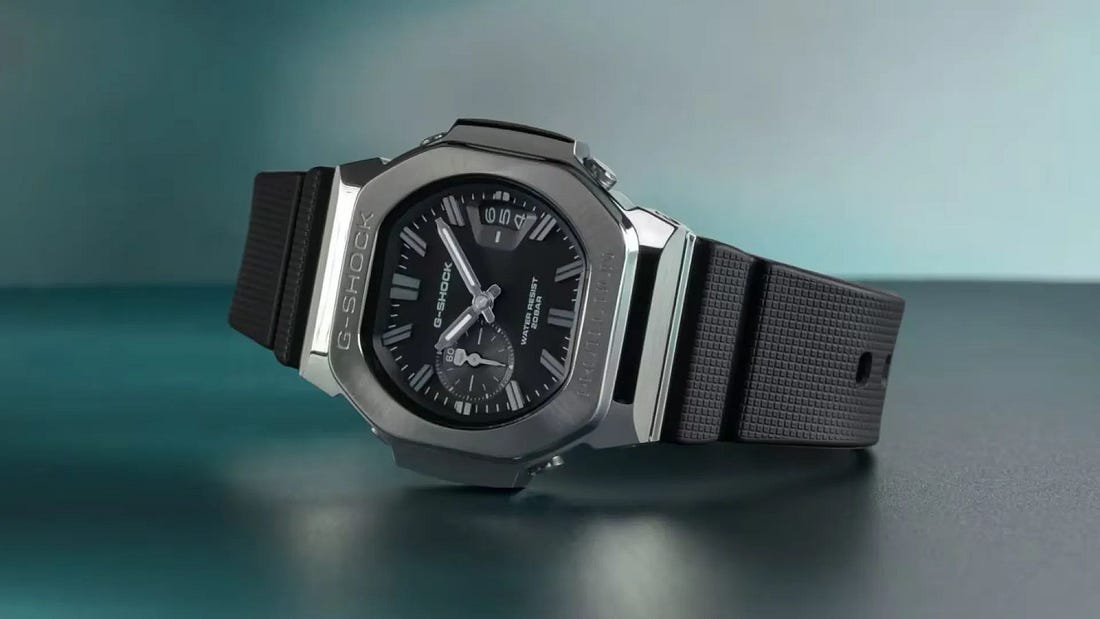
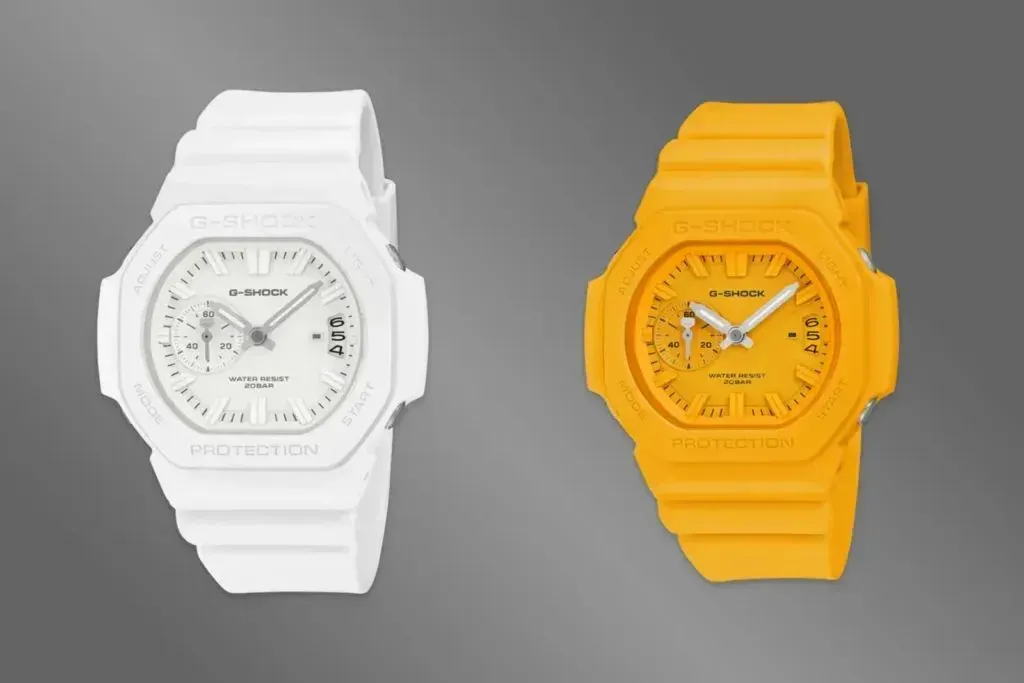
G-Shock’s 2500 Series Brings an Analog-Only Alternative
The new G-Shock 2500 series gives the brand’s familiar toughness a different face through an entirely analog presentation. The collection includes resin and metal-accented versions, with a small-seconds display, date indication and case styling that has already earned the “CasioNaut” nickname. Shock protection, 200-meter water resistance and illumination keep the practical G-Shock identity intact. Scheduled for November availability, the range offers a fresh option for buyers who prefer hands to a conventional digital screen. Prices: from US$145 for resin models, with metal-accented versions reported at US$280–US$350.
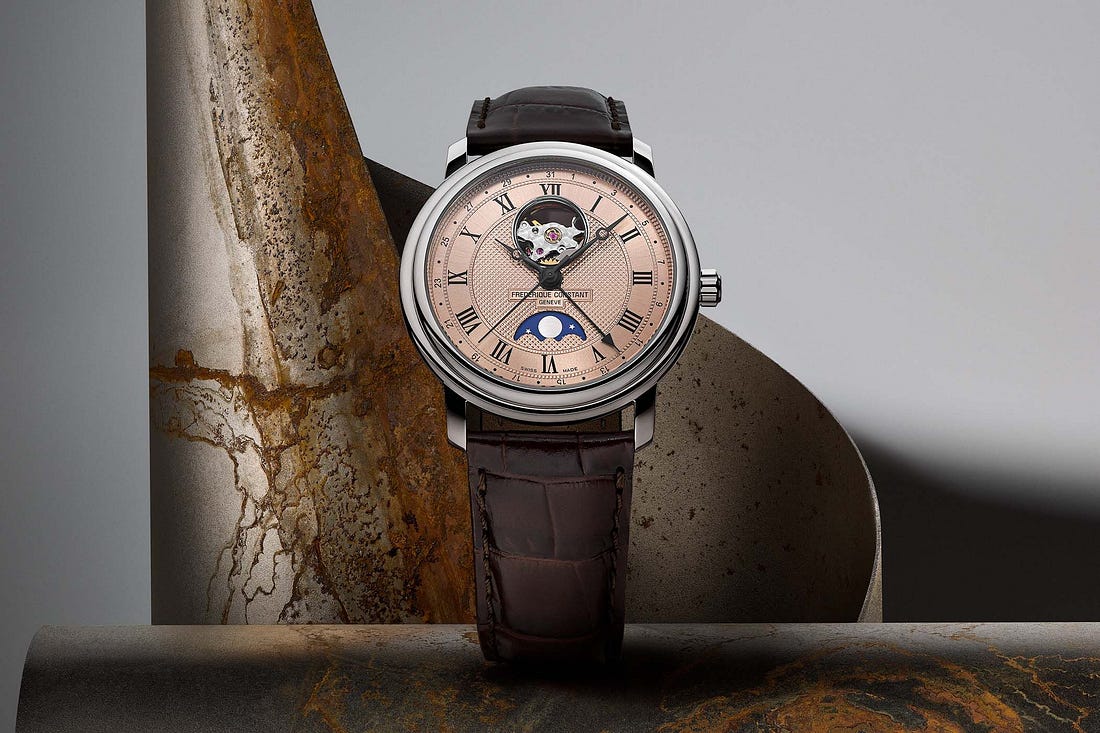
Frederique Constant Refreshes the Classics Heart Beat Moonphase Date
Frederique Constant adds two dial-and-case combinations to its 40 mm Classics Heart Beat Moonphase Date. A salmon dial comes in steel, while a midnight-blue alternative pairs with yellow-gold-plated steel. Both retain the open balance aperture at noon, traditional Roman numerals and a moon-phase display at six, powered by the automatic FC-335. Leather straps and decorative dial textures preserve the collection’s formal appearance. Prices: approximately US$2,570 in steel and US$2,800 in gold-plated steel, converted from €2,295 and €2,495 respectively.
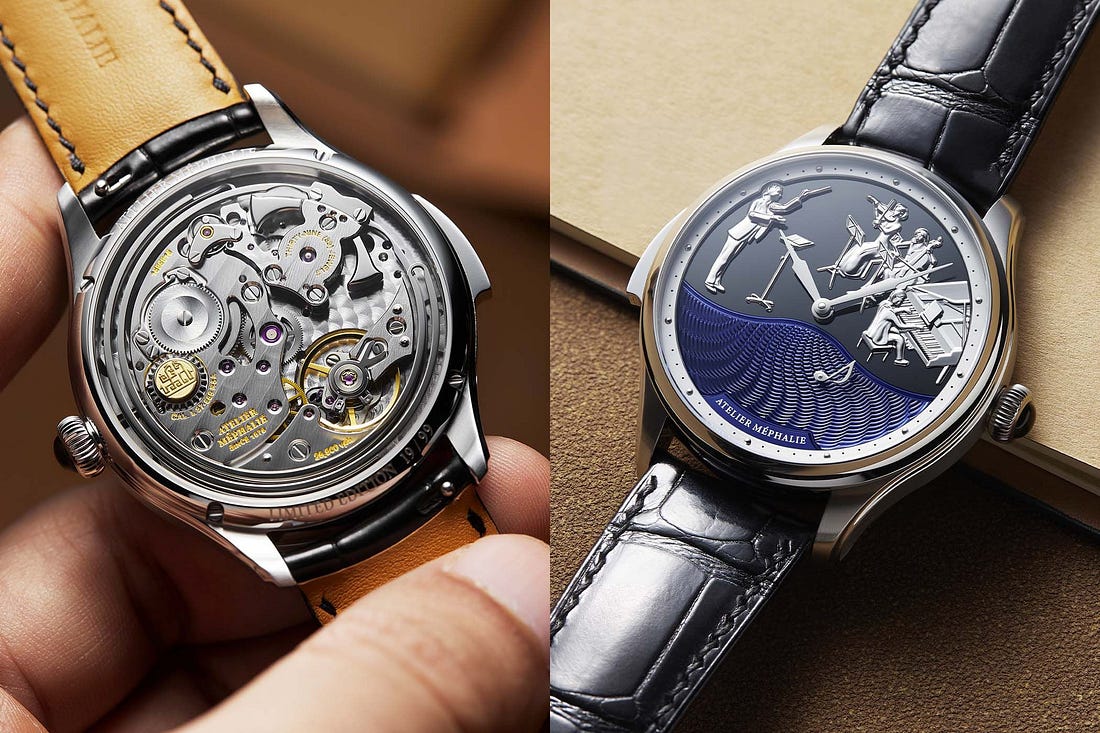
Atelier Mephalie Challenges the Price of a Minute Repeater
Atelier Mephalie’s Minute Repeater Collection presents three interpretations of a chiming watch at prices substantially below many European alternatives. The shared manually wound CAL.M 37-689R provides a reported 45-hour power reserve and strikes the hours, quarters and minutes. The Conductor adds animated musicians, the Galloping Horse uses an enamel dial, and the rose-gold Voice of China features a carved architectural scene. Production limits vary by model, making the collection an ambitious statement about both complicated watchmaking and the price attached to it. Prices: US$25,000–US$59,500 across the collection.
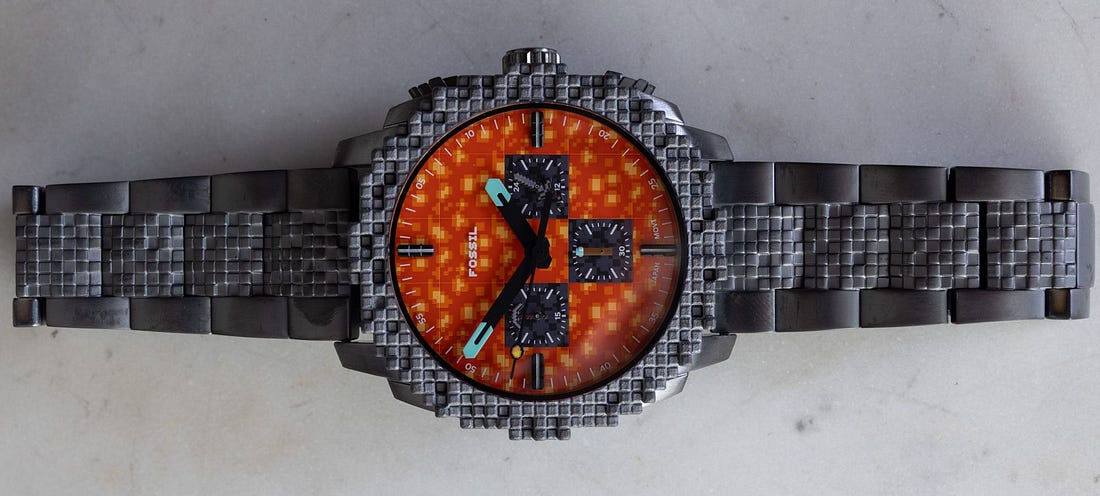
Fossil’s Minecraft Chronographs Put the Game Into the Details
Fossil’s latest Minecraft collaboration brings three game-inspired designs to 44 mm quartz chronographs. The Nether uses lava-like orange tones and a steel bracelet, the End takes a darker approach with purple accents, and the Dungeons II version features a blue dial and silicone strap. Block textures, themed graphics and distinctive hands extend the references beyond a logo printed on an otherwise conventional watch. These are sizeable, accessible pieces aimed at enthusiasts who want the game’s visual identity on the wrist. Prices: US$220 for the End and Dungeons II versions; US$240 for the Nether.
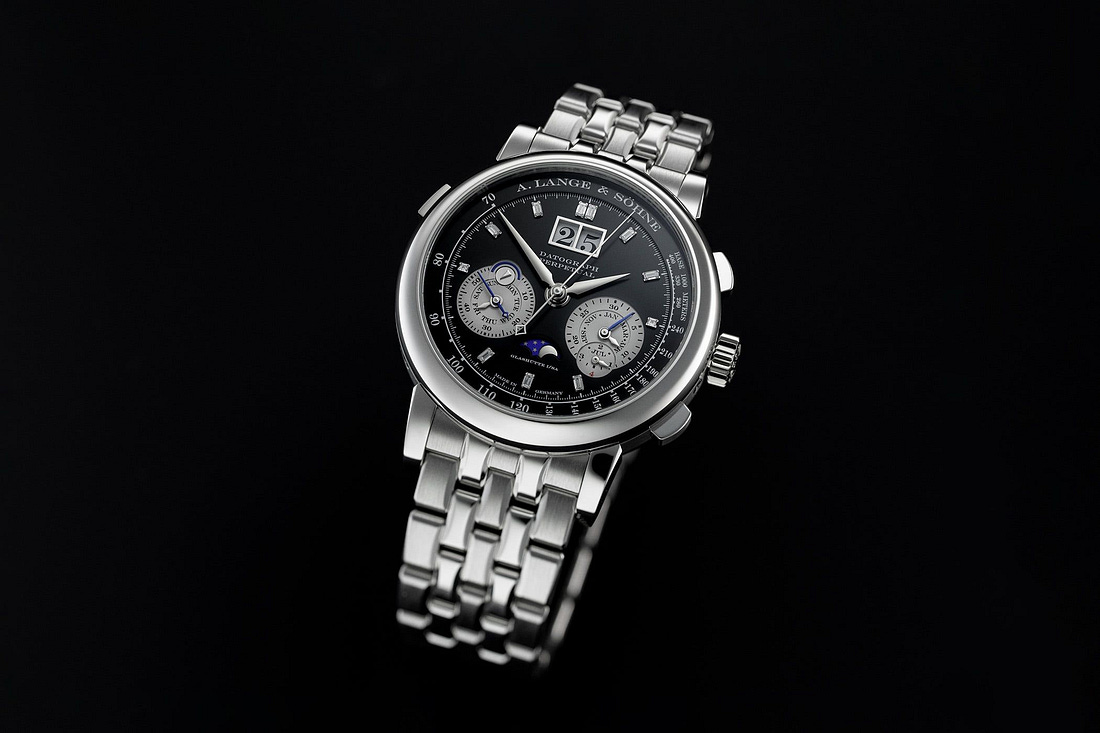
A. Lange & Söhne Gives the Datograph Perpetual a Platinum Bracelet
A. Lange & Söhne pairs the Datograph Perpetual with a full platinum bracelet in a limited edition of 50 watches. The 41 mm platinum case surrounds a glossy black dial with baguette-cut diamond markers, while the five-row bracelet combines brushed and polished surfaces. Inside, the manually wound L952.1 brings together the chronograph and perpetual calendar, with the movement remaining a major part of the watch’s attraction. The added bracelet changes both its visual presence and its wearing experience, making this an unusually substantial expression of an already elaborate watch. Price: on request; a confirmed U.S. dollar price has not been published in the supplied material.
Comparisons
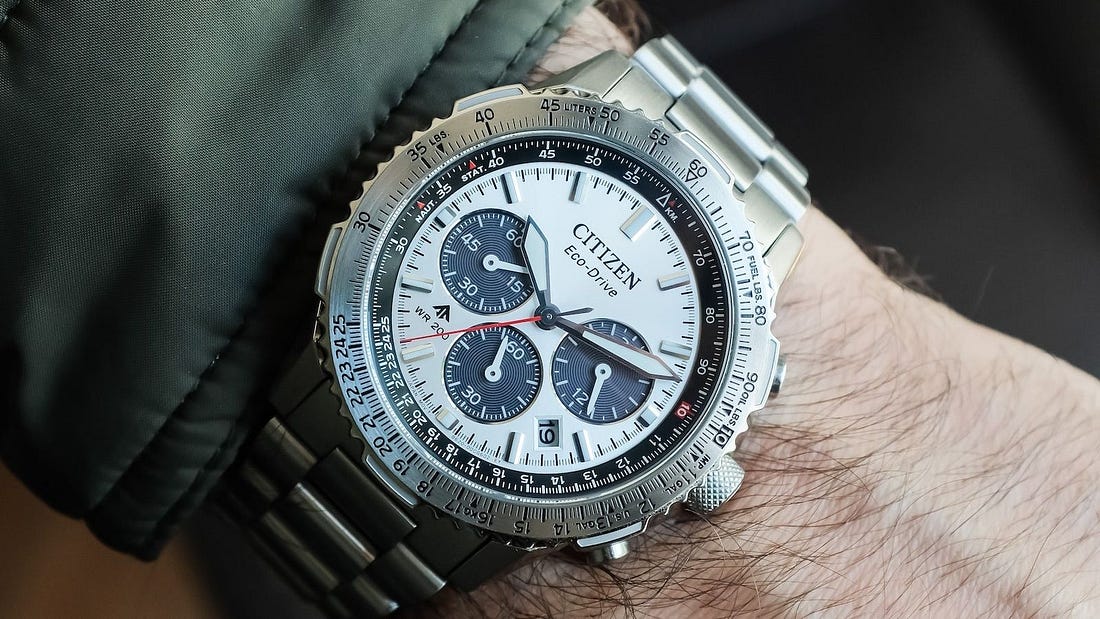
Citizen Navihawk vs. Timex Expedition: Where Does the Extra Money Go?
Citizen’s Promaster Navihawk 40 and Timex’s Expedition Field Chronograph approach accessible chronograph ownership with different priorities. Citizen offers light-powered Eco-Drive convenience, sapphire crystal, a slide-rule bezel and a more elaborate steel package. Timex concentrates on straightforward quartz operation, Indiglo illumination and a lower entry price.
The useful question is how much of Citizen’s additional equipment the owner will appreciate in daily use. The Timex can satisfy a simpler brief, while the Citizen makes its case through materials, refinement and reduced battery-maintenance demands.
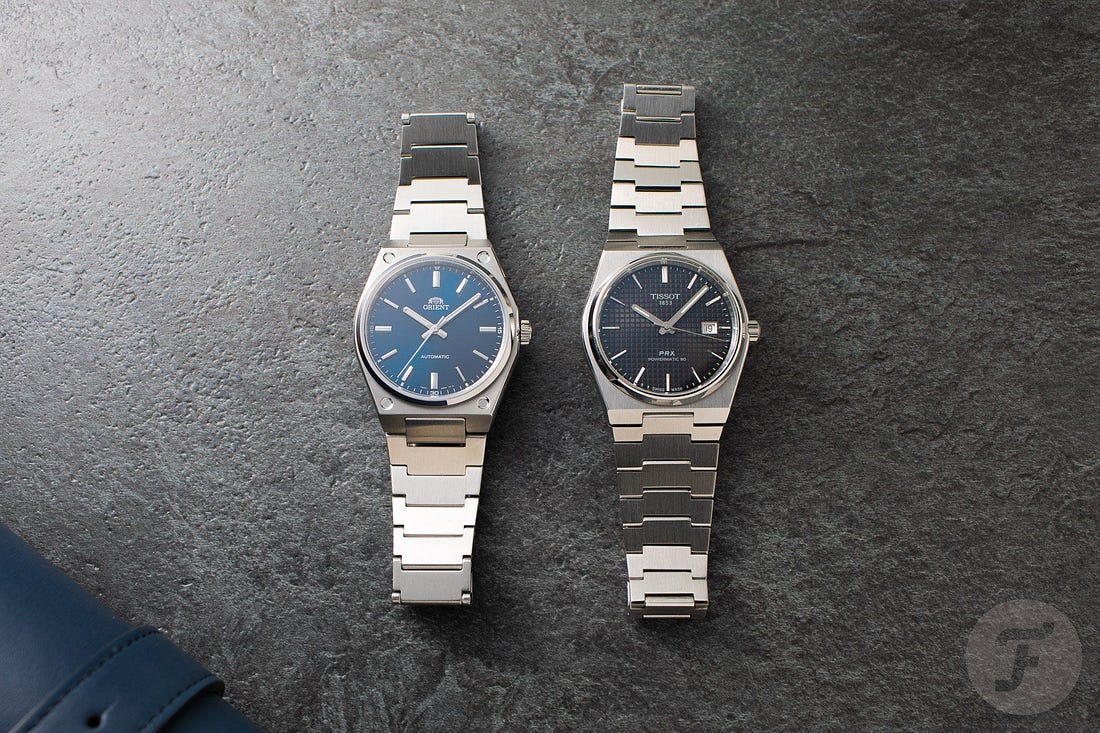
Orient Flusso vs. Tissot PRX: Two Routes Into the Integrated Bracelet
Orient’s Flusso offers a lower-cost interpretation of the integrated-bracelet sports watch, with a 39 mm steel case, sapphire crystal and an automatic movement. Tissot’s PRX Powermatic 80 brings a longer power reserve, different finishing and a bracelet experience that the comparison regards as more refined.
The price gap makes this a particularly useful ownership question. Buyers attracted primarily to the shape and everyday function may find the Orient persuasive; those who value the Tissot’s execution and movement specification may consider the premium worthwhile.
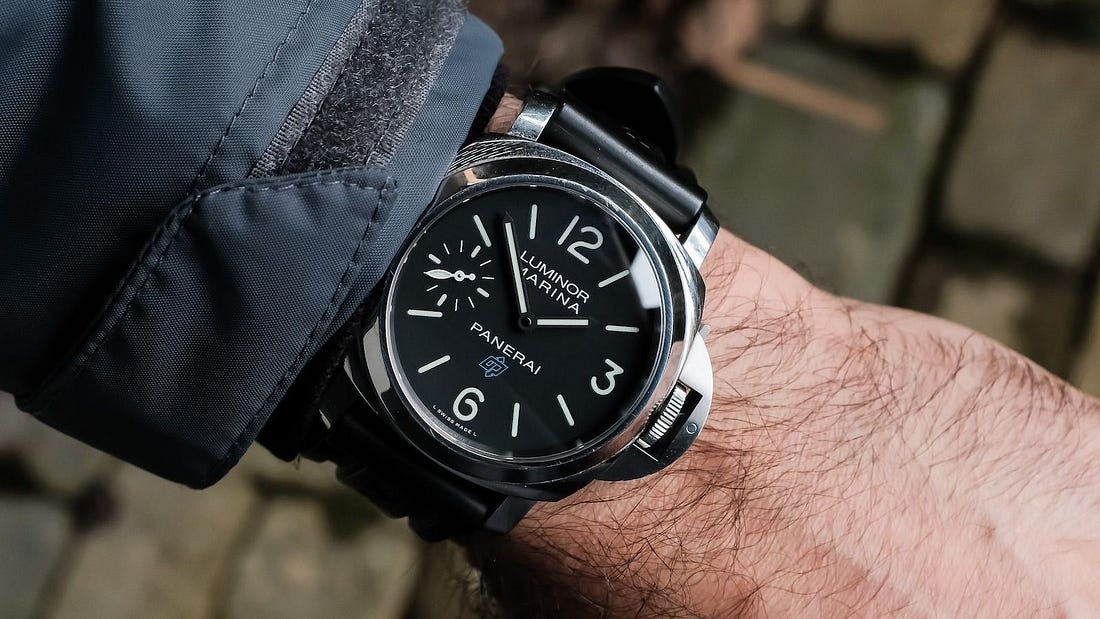
Panerai Luminor vs. Rolex Submariner: Different Ways to Enjoy a Dive Watch
The Luminor and Submariner demonstrate how far apart two recognizable luxury dive-watch identities can be. Rolex emphasizes a familiar balance of proportions, bracelet construction and incremental refinement. Panerai gives its wearer a more assertive case shape and unmistakable visual presence.
The comparison is most useful when it considers the particular references and the owner’s preferences. Fit, movement type, practical specifications and the pleasure of wearing the design deserve more attention than a simple ranking by price or prestige.
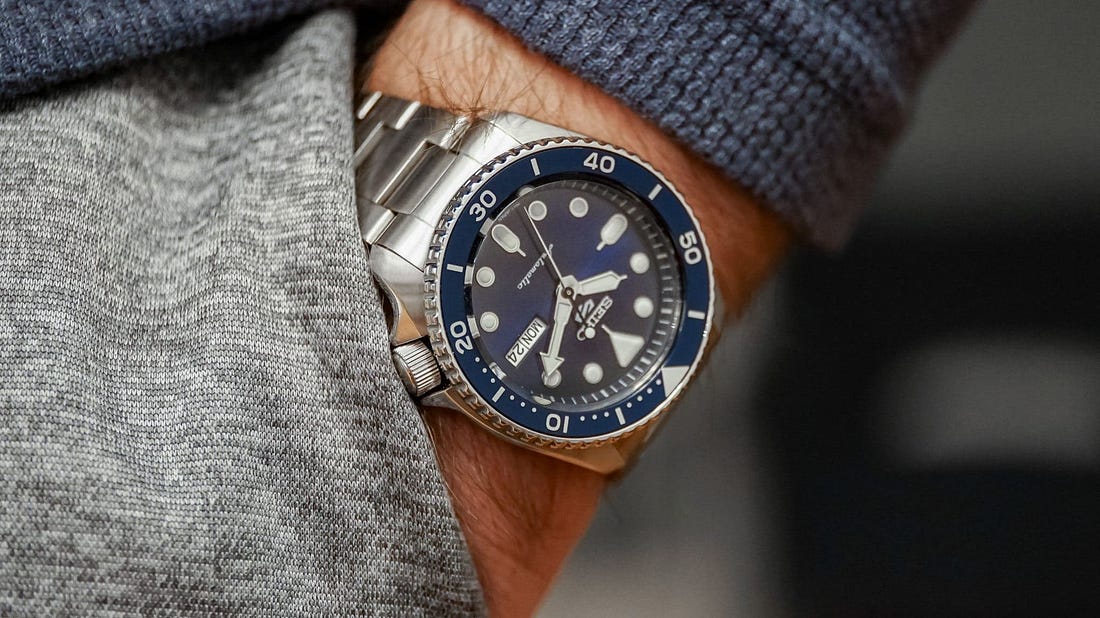
Seiko 5 Sports vs. San Martin: Brand Familiarity Meets a Strong Specification Sheet
Seiko’s SRPD51 and San Martin’s SN004 show how competitive affordable automatic watches have become. The Seiko supplies an established design, day-date functionality and a familiar service ecosystem. The San Martin counters with sapphire crystal, a ceramic bezel and a compact case at a similar price level.
The hands-on comparison favors the San Martin’s execution in several areas while acknowledging Seiko’s strengths in identity and familiarity. It is a useful reminder that a component list and an ownership experience measure overlapping, but different, things.
Reviews
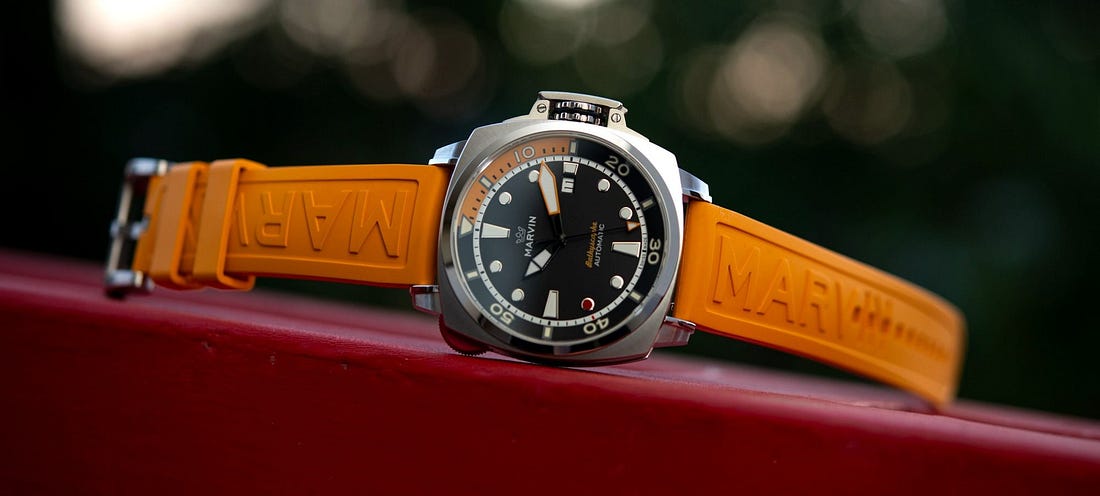
Marvin Bathyscaphe: An Unusual Diver Below US$1,000
Marvin’s Bathyscaphe combines a 43 mm steel case with a Sellita SW200 automatic movement and a distinctive internal rotating bezel. Yellow and red dial accents, unusual control placement and a protective crown arrangement give the watch more individuality than its broad dive-watch outline initially suggests.
The review finds considerable substance at the reported US$799 price, including 200-meter water resistance and thoughtful finishing. The main reservations concern details of the control and crown-guard experience, making the hands-on perspective especially useful.
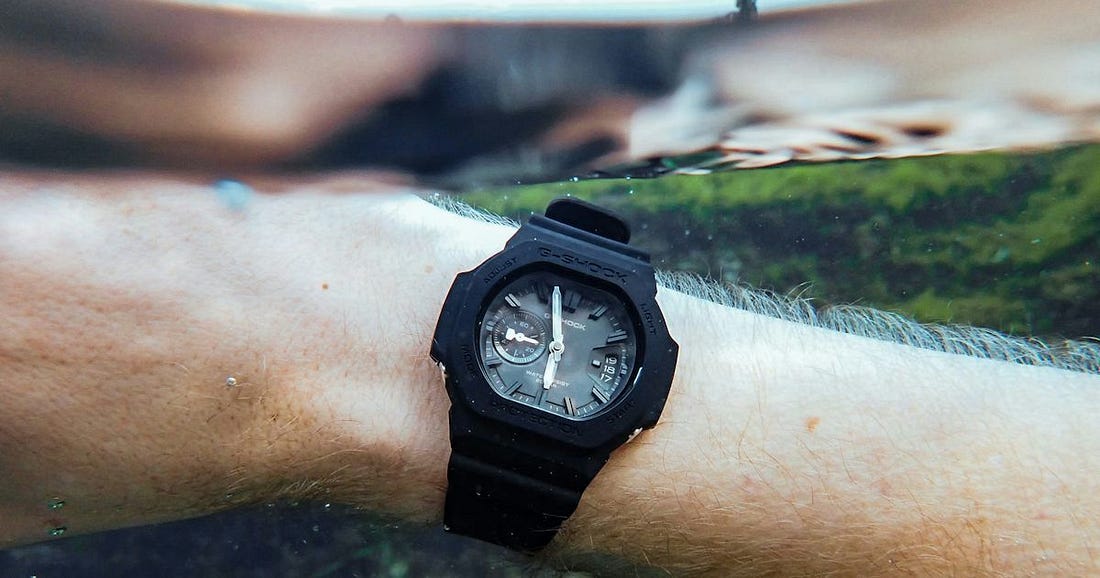
Testing the G-Shock “CasioNaut” Beyond the Launch Photographs
The G-Shock 2500 series receives a practical workout in this review, which considers comfort, legibility and the unusual analog implementation of its functions. The new presentation gives buyers a different experience from the brand’s familiar digital and analog-digital models.
The assessment identifies strengths in everyday wear while noting compromises in illumination and stopwatch operation. It is a useful companion to the launch story for anyone trying to decide whether the new format suits how they actually use a G-Shock.
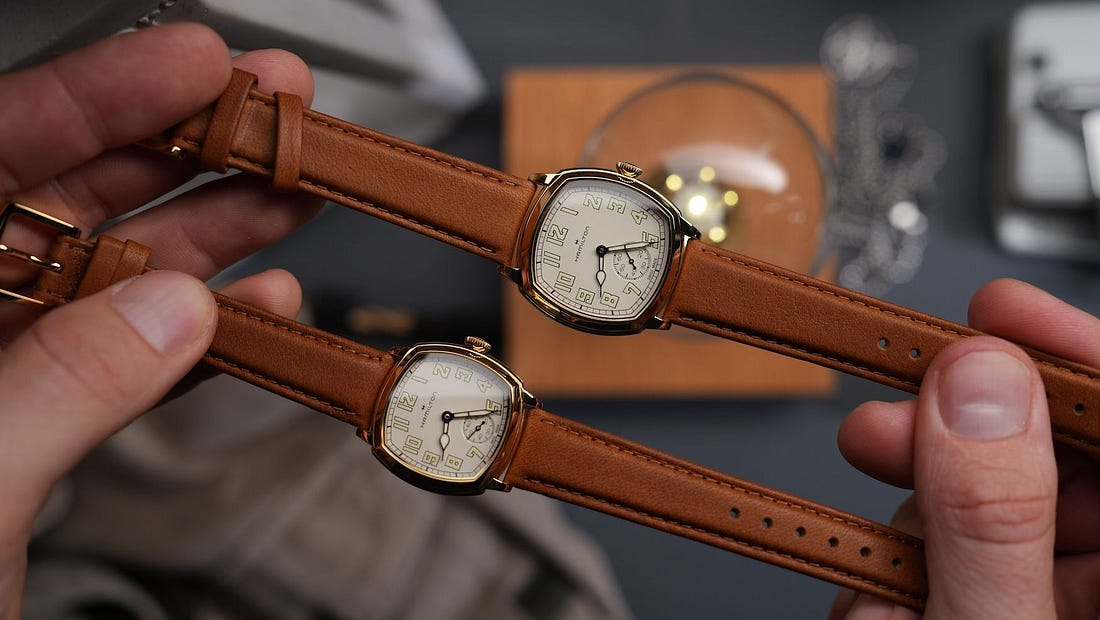
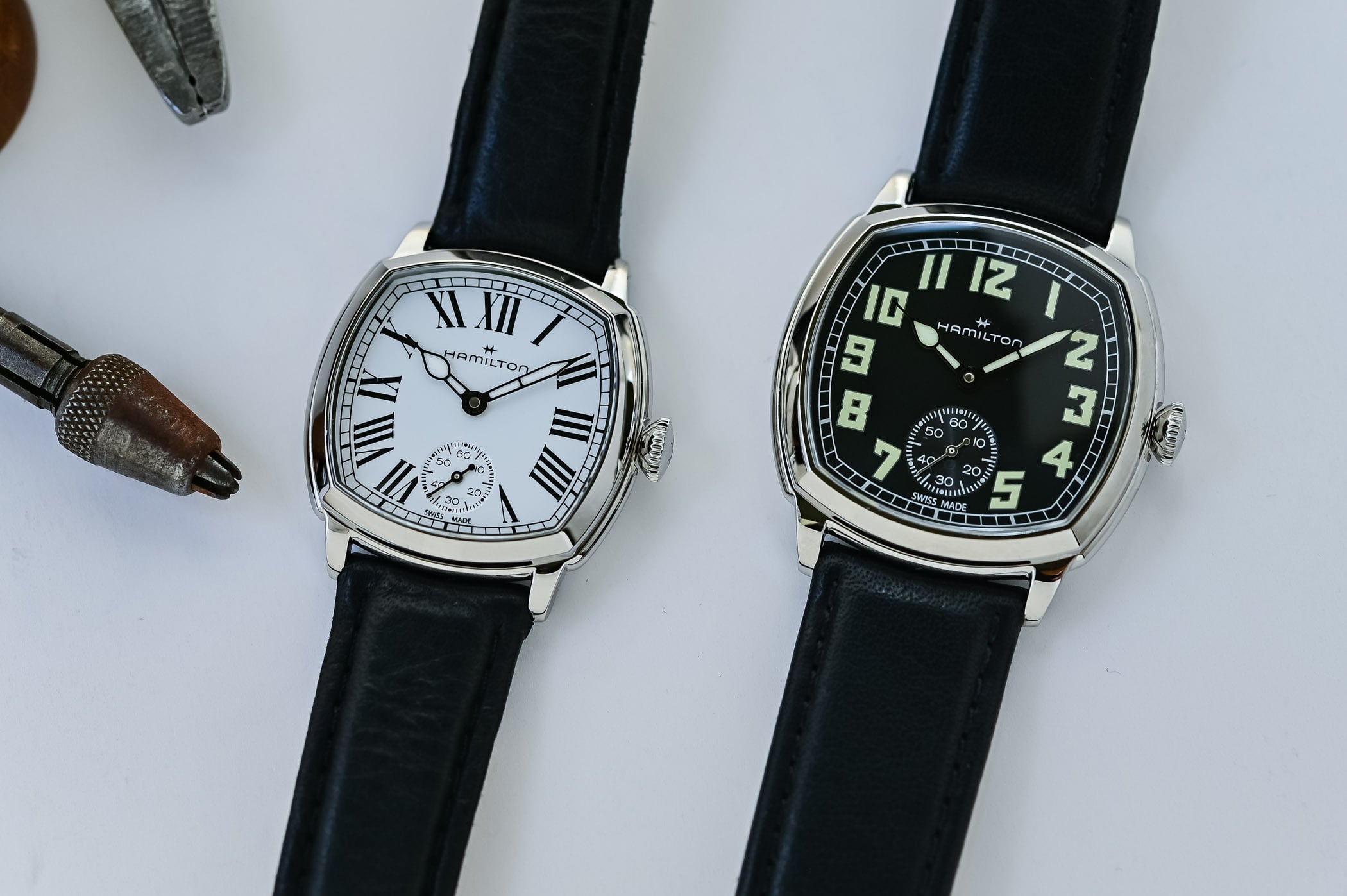
Hamilton’s American Classic Cushion Finds Appeal in Smaller Dimensions
Hamilton’s American Classic Cushion collection uses compact 30 mm and 34 mm cases to revisit a traditional dress-watch shape. At 8.1 mm thick, the watches emphasize proportions and ease of wear, with different dial treatments and steel or gold-tone finishes broadening the choice.
The manually wound H-42 offers a reported 57-hour reserve and can be viewed through the sapphire back. Prices of US$995 in steel and US$1,095 for gold-tone versions make this a relatively accessible route into a small mechanical watch with a clear design identity.
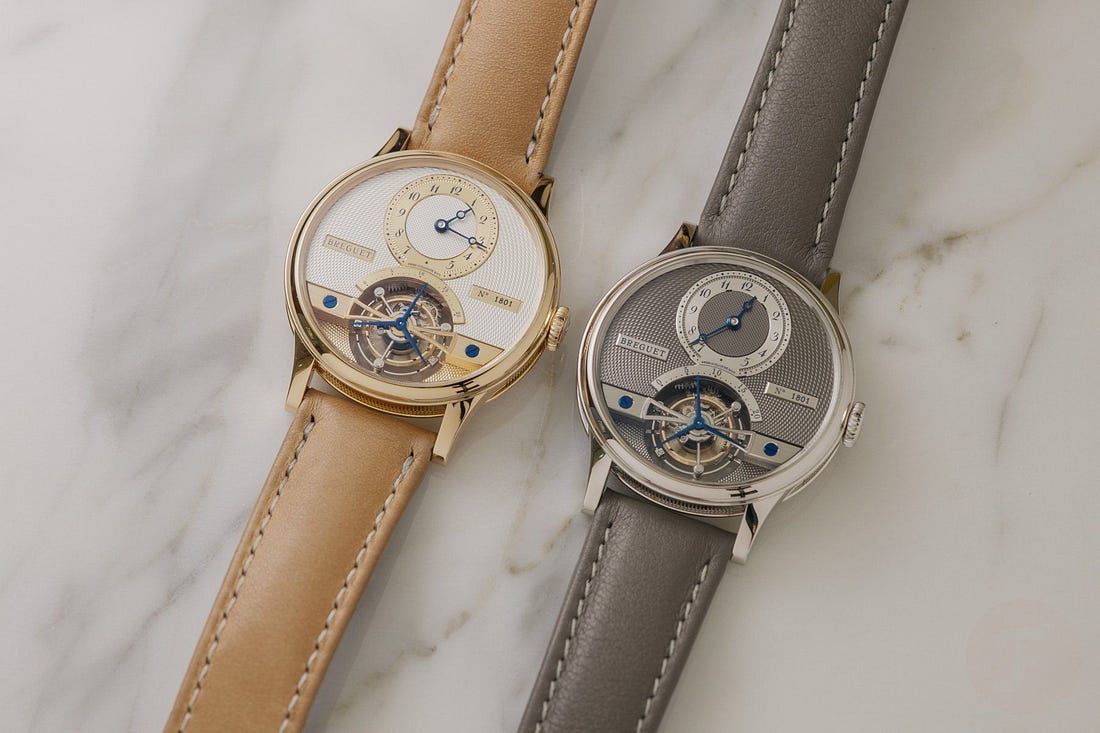
Breguet Classique Tourbillon 7357: A Small Case for Serious Watchmaking
The Classique Tourbillon 7357 revisits Breguet’s compact tourbillon vocabulary in a 35 mm case. Platinum and Breguet-gold versions combine traditional guilloché work, carefully arranged dial details and a movement designed to support the classical presentation.
The manually wound calibre 187B offers a reported 60-hour reserve alongside modern material choices. At the supplied American prices of approximately US$203,300 in platinum and US$184,800 in gold, the review concerns the execution of an exceptionally expensive object whose restraint is part of its appeal.
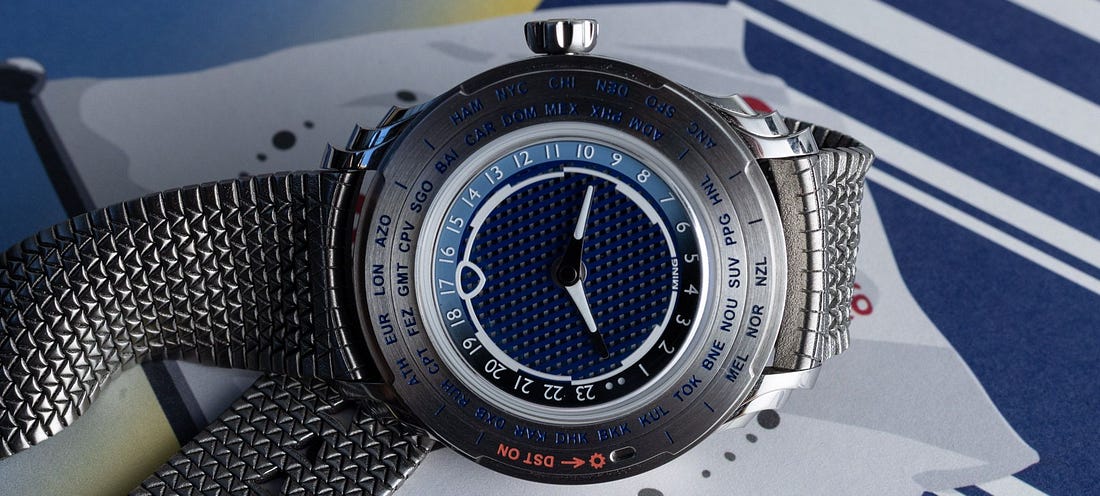
MING 57.05 Comet Makes the Worldtimer a Design Problem
MING’s 57.05 Comet approaches world-time reading with a rotating bezel and separate references for regions observing daylight saving time. A peripheral 24-hour display and layered dial construction turn the complication into a distinctive visual system.
The 40 mm steel case, 100-meter water resistance and modified Sellita automatic movement give the watch an everyday foundation. The review explores whether MING’s display choices make a familiar travel complication more intuitive and engaging.
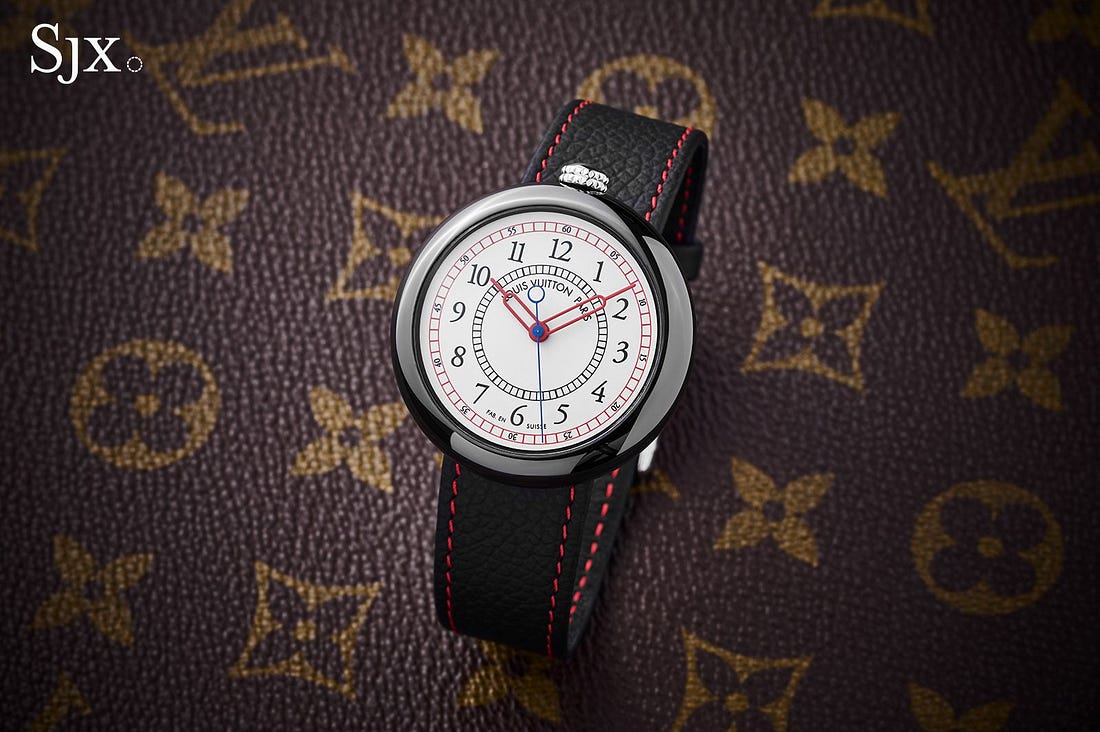
Louis Vuitton Monterey Ceramic: An Unconventional Shape Returns
Louis Vuitton’s Monterey Ceramic revisits an unusual part of the brand’s watch history with a compact 37 mm case in black or green ceramic. The white dial and distinctive strap attachment preserve the design’s personality, while an automatic LFT MA01.02 movement provides a reported 45-hour reserve.
The €19,000 pre-tax price places considerable weight on the combination of design, movement execution and brand identity. The review offers a closer look at how those elements work together beyond the immediate novelty of the case.
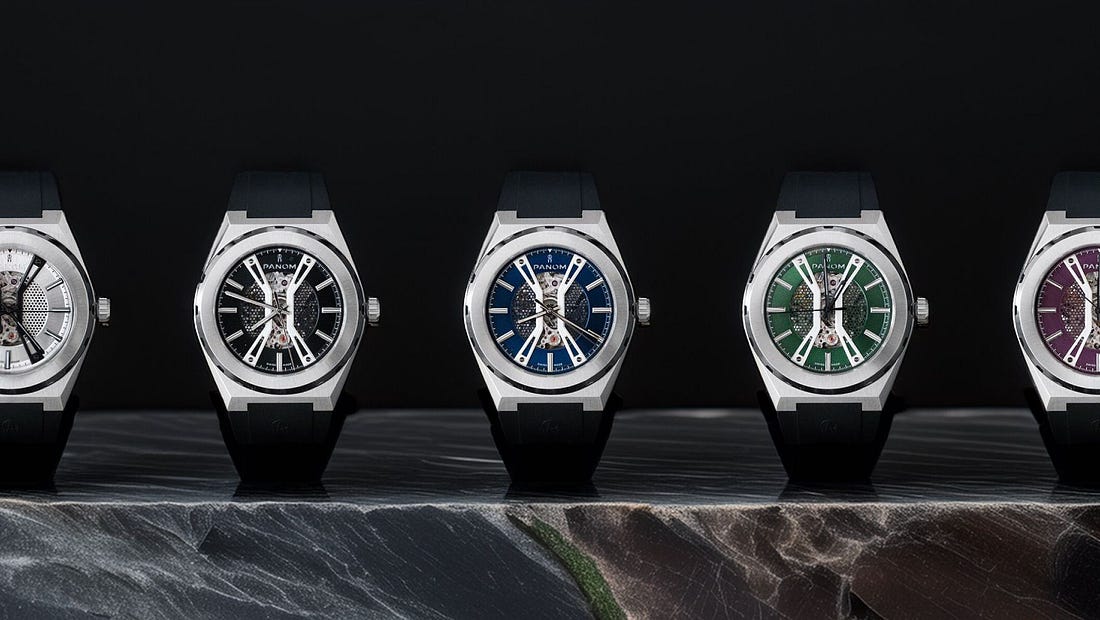
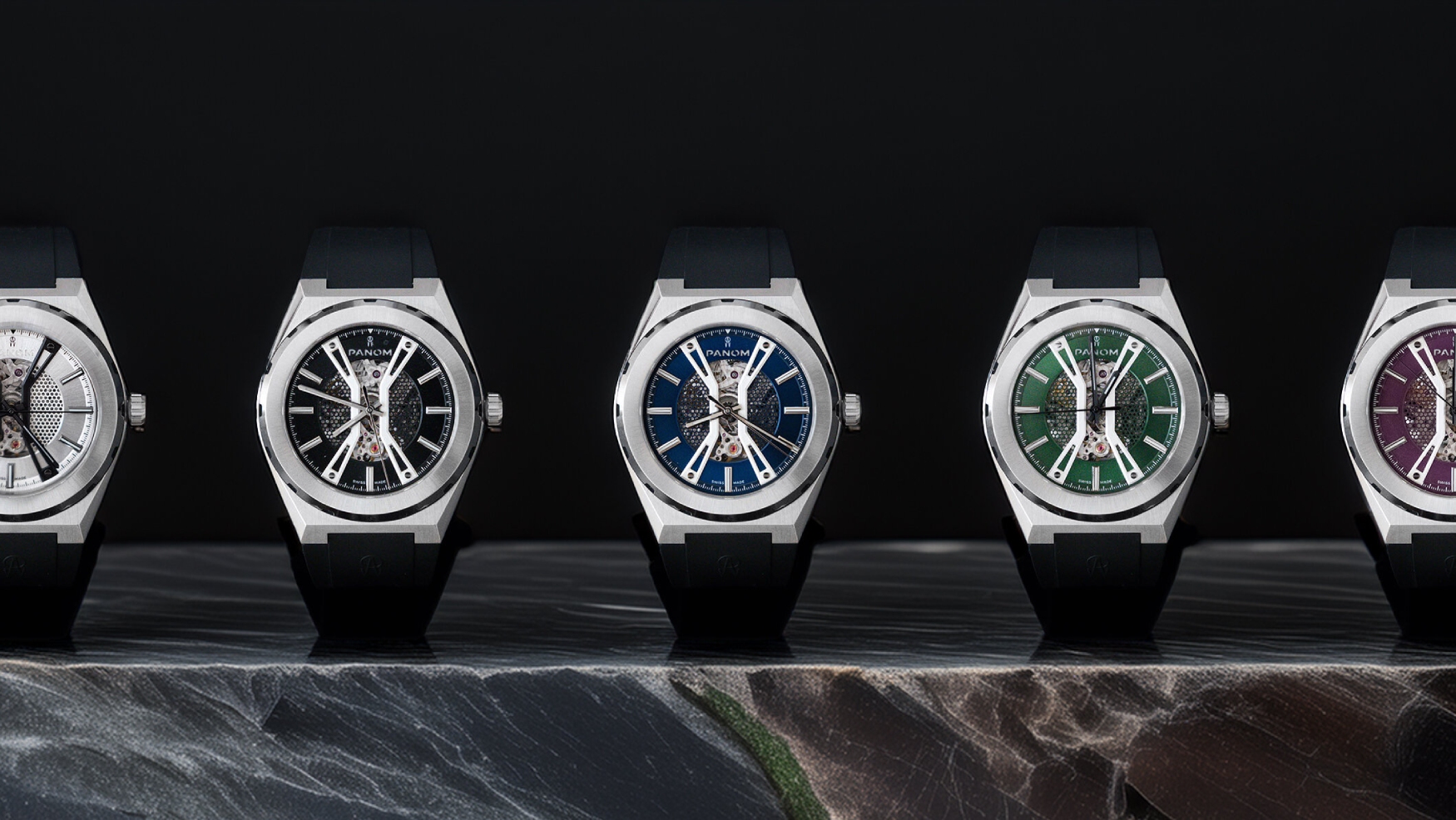
PANOM TheHive Gives Luxembourg a New Watchmaking Voice
PANOM’s debut watch uses a three-dimensional honeycomb dial and an open-heart view to establish its identity. The 40.5 mm steel case houses a Soprod M100 Squelette automatic movement, with sapphire crystal and 100-meter water resistance supporting daily wear.
Five colorways and a limited initial production of 150 pieces accompany an owners’ community proposition. At €2,900 including VAT, with delivery scheduled for October 30, the review asks whether the execution and design give the newcomer a convincing place in a busy independent market.
Editorial
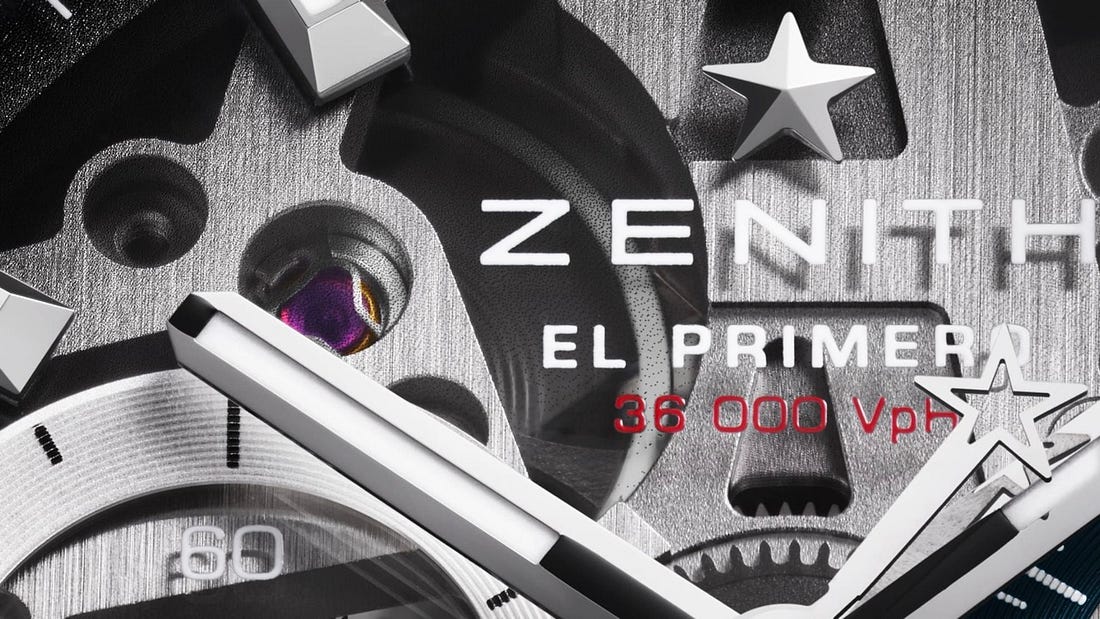
Zenith Should Become LVMH’s Mechanical Core
Zenith’s restructuring invites a broader strategic question: could its greatest contribution to LVMH be a more visible role as the group’s movement-making authority? This editorial argues that shared engineering could support several maisons while allowing each to retain its own design language.
The proposal depends on clear attribution and durable ownership support. A customer should understand what Zenith contributes, and the resulting watches should benefit from coherent service arrangements and long-term parts availability. Properly executed, that role could strengthen Zenith’s industrial importance and its own brand.
Events
Inside Seiko’s Power Design Project
Seiko designers Yu Ishihara and Yuya Suganuma describe what happens when a watch brief begins with an idea rather than a conventional commercial requirement. The resulting concepts explore negative space, unconventional cases and imaginative ways of interacting with a watch.
The exhibition also reveals different perspectives within Seiko’s design organization. Ishihara’s architectural approach and Suganuma’s interest in watches as personal style demonstrate how experimental projects can influence the thinking behind more familiar products.
Podcast
What Happened to Rolex? — A Podcast About Watches
This discussion considers Rolex’s changing position in watch culture, connecting its reputation with the expectations collectors bring to the brand. Heritage, recognition and market behavior all influence how those expectations develop.
It is a timely companion to today’s Losing Time section. Listen with a distinction in mind: a brand can remain exceptionally desirable while particular sellers struggle to achieve their preferred prices. This link opens the episode’s YouTube presentation.
Video
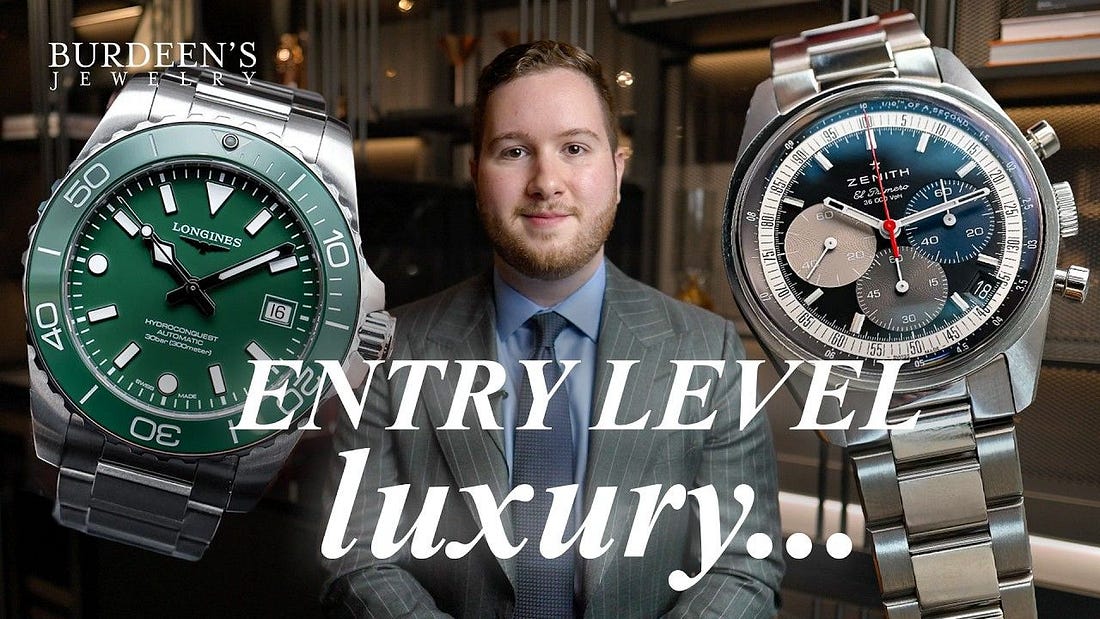
The Blurred Line Between Entry Level and Luxury — Burdeens Jewelry
Burdeens examines what separates an accessible watch from one carrying a luxury label. Design, materials, finishing and brand perception can overlap, making price alone an incomplete guide.
The discussion fits an issue full of competing value propositions. Consider which differences affect daily enjoyment and which primarily influence how the watch is perceived.
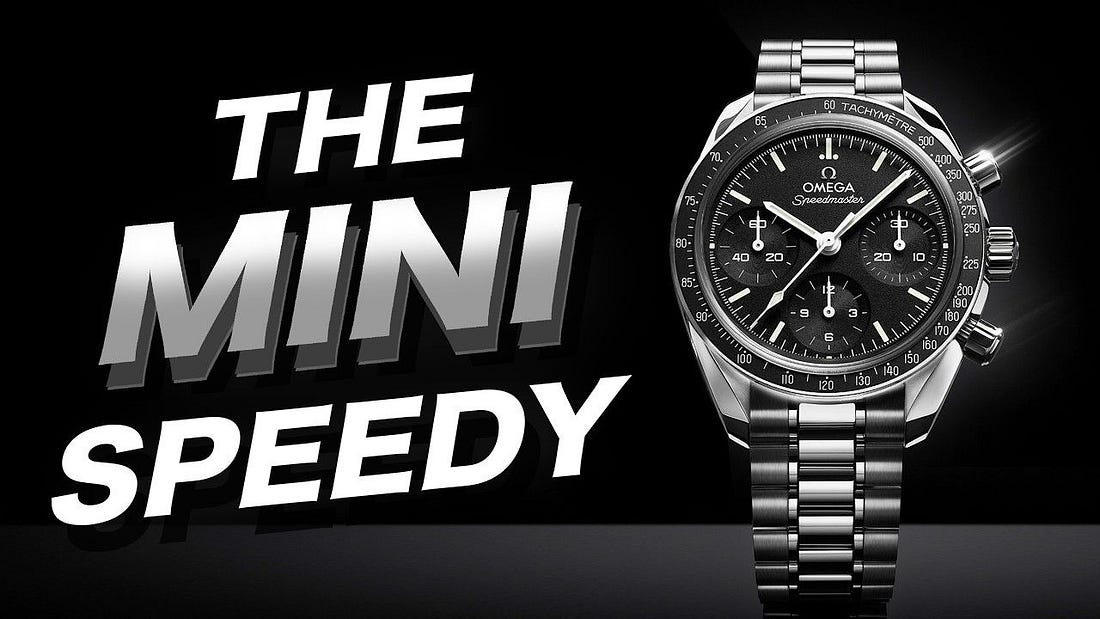
The Good, Bad and Chunky: Omega’s “Reduced” Speedmaster — IDGuy
IDGuy considers the appeal and compromises of Omega’s smaller-Speedmaster proposition. Proportions and design details take center stage, including the question of whether reducing one dimension produces the wearing experience buyers expect.
The video offers a critical visual companion for collectors who care as much about the relationship between diameter and thickness as the name on the dial.
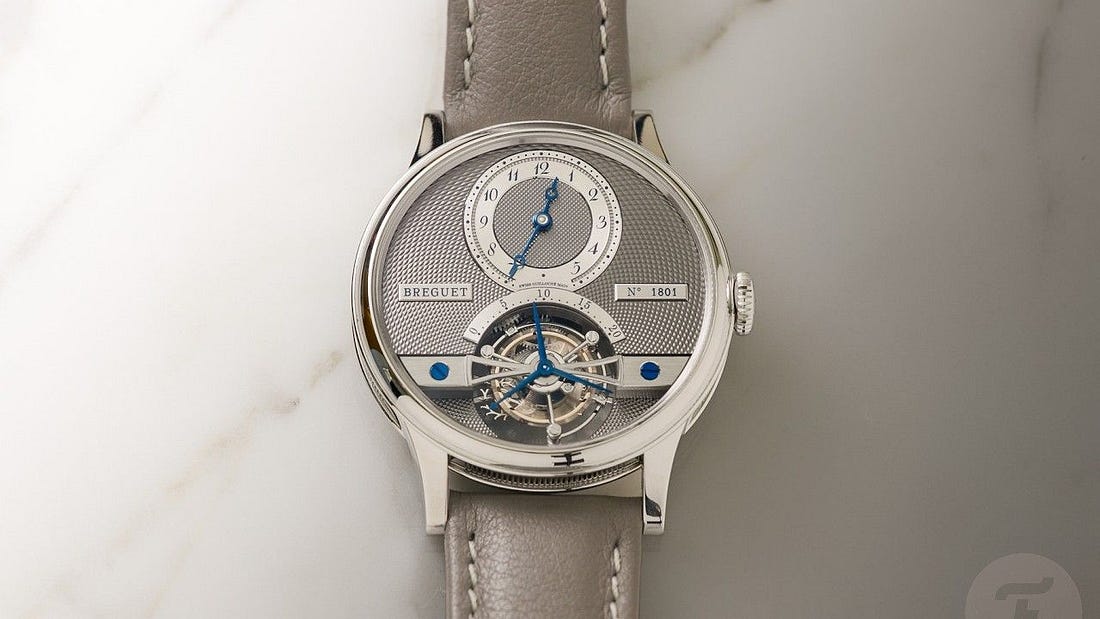
Hands-On With the Breguet Classique Tourbillon 7357 — Fratello
Fratello brings the Classique Tourbillon 7357 onto the screen, where movement, dial texture and case proportions can be assessed together. A compact watch with elaborate finishing benefits from this closer view.
The footage complements today’s written review, particularly for viewers interested in how the tourbillon and decorative surfaces behave in changing light.
What Happened to Rolex? — A Podcast About Watches
The video presentation of today’s podcast selection examines Rolex’s place in a changing watch market. It provides another way to follow the conversation about recognition, collecting preferences and the expectations attached to the brand.
Watch alongside the auction discussion below, keeping the broader reputation of Rolex separate from the outcome of any individual listing.
Stop Upgrading Your Watch: The Cost of Always Wanting the Next One — My Watch Journey
My Watch Journey challenges the habit of treating each new purchase as a necessary improvement. The video’s US$5,000 framing puts a concrete number around the expense of repeatedly moving on.
The useful question is whether an upgrade solves an actual dissatisfaction or simply resets the search. Collectors may find the discussion especially relevant after accounting for the cost of selling the previous watch.
Why Would H. Moser Make a Digital Watch? — Zero to Sixty
An unexpected display becomes the starting point for a discussion of Moser’s willingness to challenge familiar luxury-watch conventions. The interest lies in how the brand’s identity accommodates an idea that initially seems surprising.
The video invites viewers to examine the design and mechanism behind the headline rather than assuming that “digital” alone explains the watch.
Swiss Watches vs. Made in China: What Defines Luxury? — ConstanTime
ConstanTime explores how origin, heritage and execution shape perceptions of luxury. Familiar Swiss names provide one side of the discussion, while improving Chinese watchmaking raises questions about how collectors judge the finished product.
It is a useful companion to today’s Atelier Mephalie release. Consider the quality and support being offered alongside the associations attached to the country on the label.
Don’t Buy Watches Above This Price — Andrew Morgan Watches
Andrew Morgan approaches a recurring collecting question: when does spending more stop adding enough enjoyment? The title supplies the provocation, while the subject invites a personal assessment of diminishing returns.
The relevant threshold will differ between collectors. The exercise is deciding which additional qualities you value enough to fund.
Windup NYC’s Collection Challenge — Time+Tide
Time+Tide sets a collection-building challenge across dive, dress, field and general-purpose watches at Windup Watch Fair New York. The format makes participants explain how individual choices work together.
It is an entertaining way to compare priorities, from versatility and coherence to personality. Viewers can assemble their own competing collection as the selections unfold.

Expensive Watches That Earn Their Place — Britt Pearce
Britt Pearce makes the case for selected watches from Omega, Rolex and Cartier. The discussion offers a counterpoint to today’s more skeptical pricing stories by concentrating on what can make an expensive watch satisfying to own.
Treat the value argument as something to examine watch by watch. Long-term enjoyment, craftsmanship and resale proceeds are different measures, even when they influence the same purchase.

Aurelia Horology: A Short Documentary — Micro Indy Collective
This short documentary turns attention toward a smaller watchmaking story. The format gives viewers time with the people and ideas behind Aurelia Horology, adding context that can be difficult to communicate through specifications alone.
It belongs with today’s features on independent collecting and personal connections: understanding the maker can change how we see the object.

Lil Pump Came In and Cashed Out — TimePieceTrading
TimePieceTrading presents a celebrity encounter through the perspective of a watch dealer. The video offers a different setting from the carefully managed atmosphere of a brand presentation.
Watch for the interaction and the negotiation. Public visibility can attract attention, but the terms on which a watch changes hands remain the consequential part of the transaction.
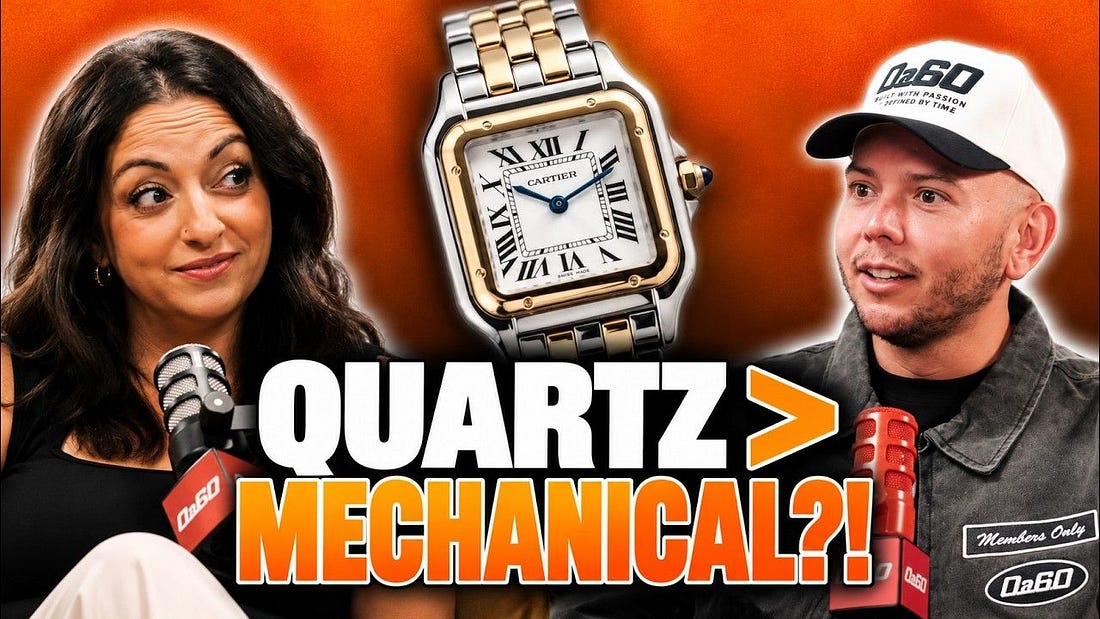
Why Collectors Should Reconsider Quartz — Zero to Sixty
Zero to Sixty challenges the assumption that quartz deserves a lesser place in a serious collection. Accuracy, convenience and design freedom provide the basis for reconsidering that hierarchy.
The discussion is useful in a market where mechanical complexity can become an automatic justification for higher prices. A watch’s suitability for its owner deserves equal attention.
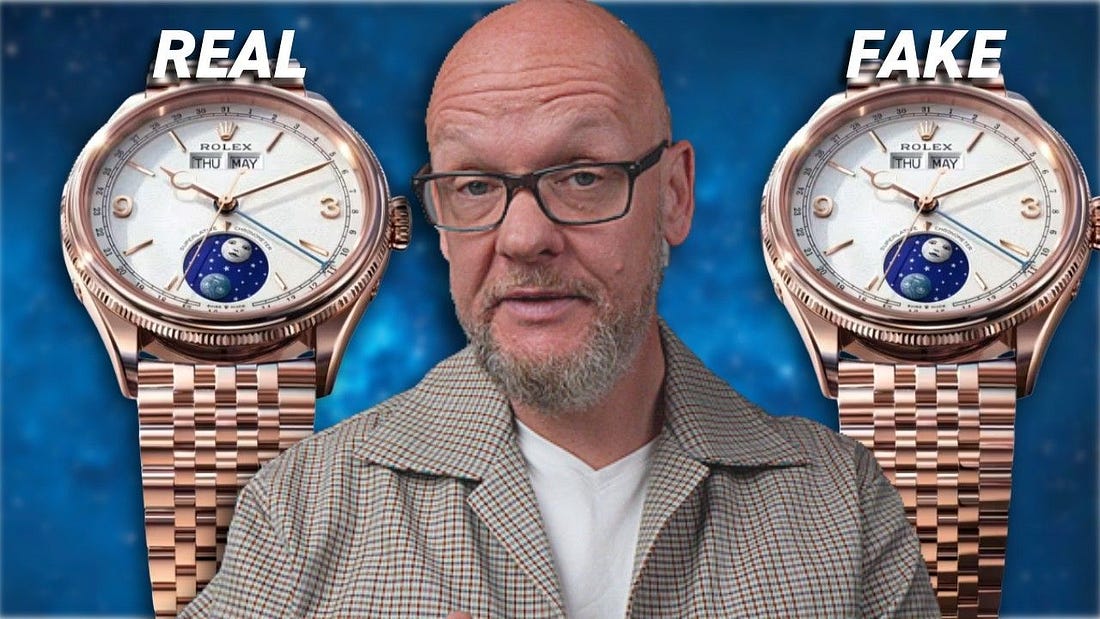
Counterfeit Watches and the Industry’s Trust Problem — This Watch, That Watch
This Watch, That Watch examines the problems counterfeit watches create for brands, buyers and the wider market. The subject extends beyond copied designs into confidence about what is being sold.
Authentication and credible selling practices become especially relevant when watches move between owners. The discussion adds another dimension to today’s questions about secondary-market value.
Auctions
Vintage Finds: Hamilton, Seiko, Timex and More
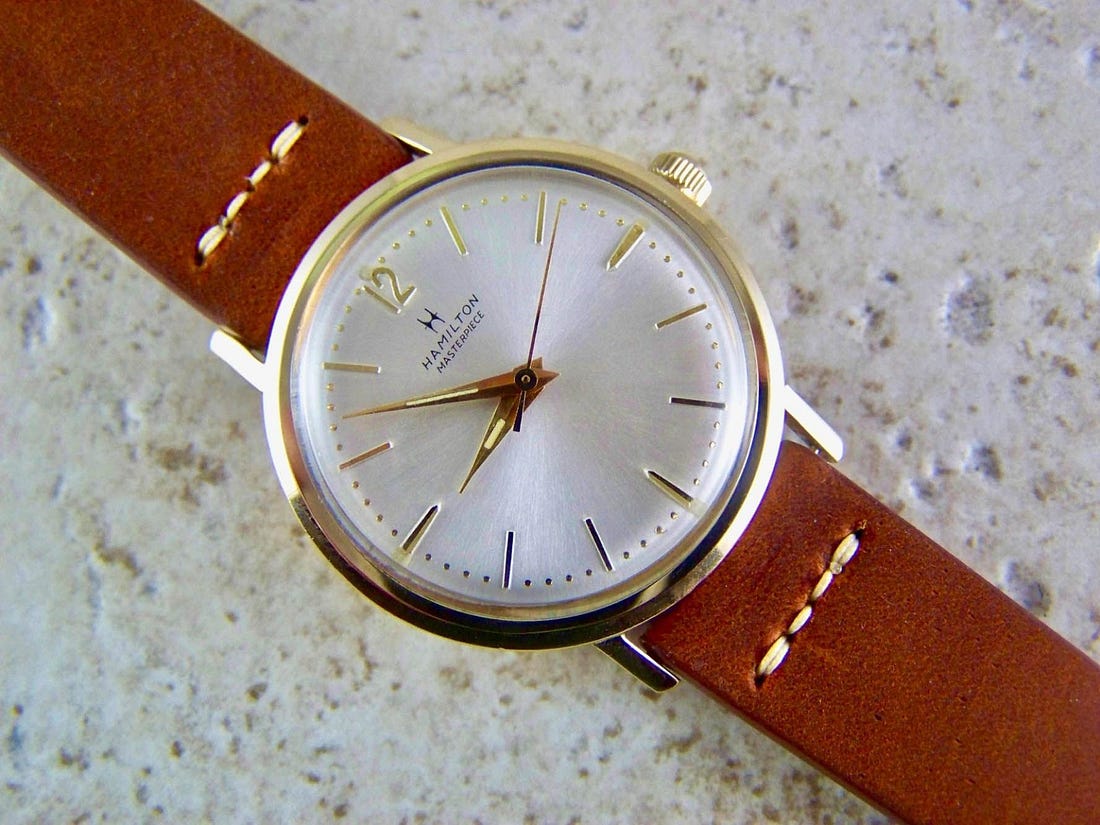
Worn & Wound’s latest selection brings together vintage watches with very different personalities, including a Hamilton Masterpiece, Seiko 5 Actus, unusual Waltham and space-age Seiko quartz. A blue-dial Timex Marlin “UFO” and an Enicar chronograph add further variety.
The appeal is the discovery process. These listings reward attention to condition, originality and the details that make an inexpensive vintage watch satisfying to own.
Monaco Legend Group Returns to the Classics
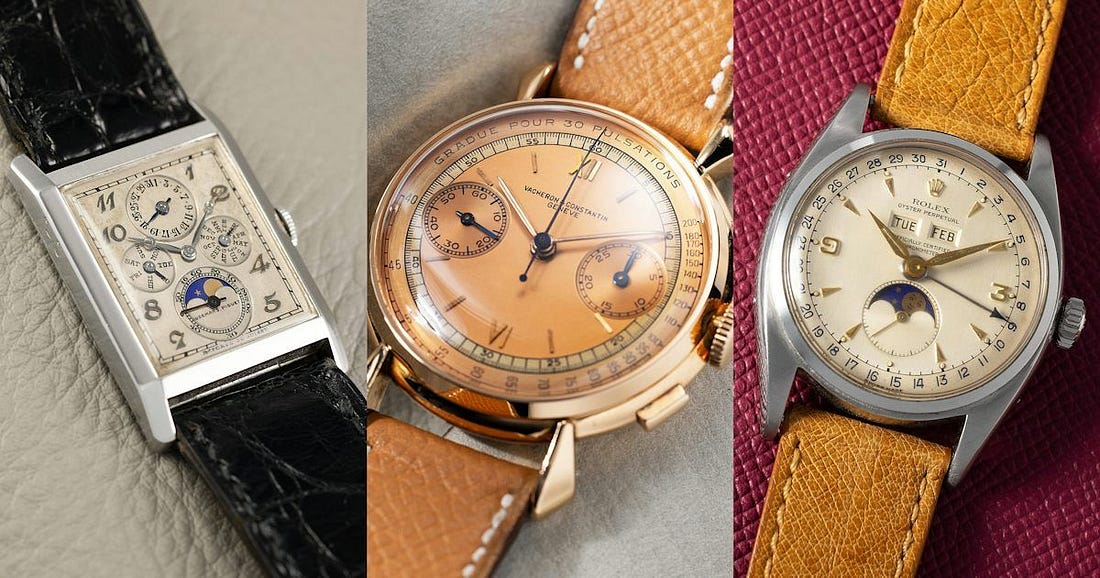
Monaco Legend Group’s fall catalog places established vintage watchmaking at the center of its offering. A Rolex reference 6062, complicated Patek Philippe watches and distinctive pieces from Cartier, Breguet and Vacheron Constantin provide the headline attractions.
The range of estimates stretches from five figures into seven. The preview is a guide to the catalog’s ambitions; the results will show which watches persuade bidders to follow those expectations.
Dr. Crott’s Halloween Sale Offers Unusual Vintage Depth
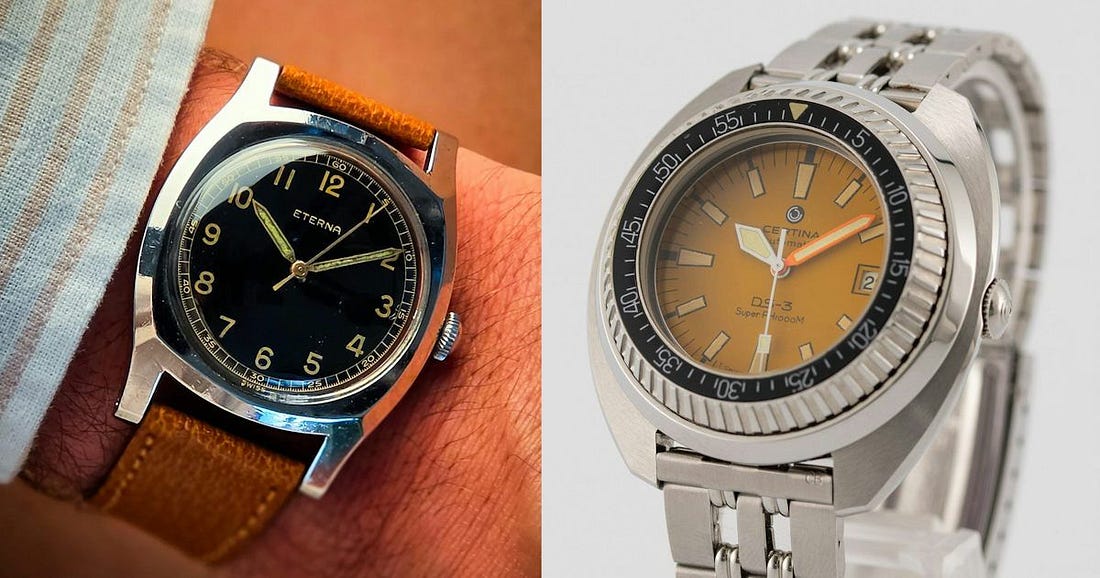
The Dr. Crott preview ranges from a Certina DS-3 Super PH1000M to a rare Ulysse Nardin “Big Aviator,” with military watches and vintage chronographs broadening the selection. These are watches whose histories and surviving details matter as much as their brand names.
For prospective bidders, the interest lies in examining the individual examples closely. Condition, originality and documentation can produce substantial differences between watches that initially appear comparable.
Auction Results
Hermès H08 Chronograph Stops at US$7,000 Without a Sale
The October 23 auction of the 2026 Hermès H08 Chronograph, reference W403130WW00, ended with a high bid of US$7,000, and the watch did not sell. Against the supplied US$13,100 list price, bidding reached approximately 53.4% of retail, leaving a US$6,100 gap, or 46.6%.
That is an unsuccessful bid rather than a completed-sale valuation. It nevertheless records a clear limit to what the participating bidders were prepared to offer for this example.
Auction Report
Hermès Squelette Lune: A US$30,000 Retail Reference Meets the Resale Test
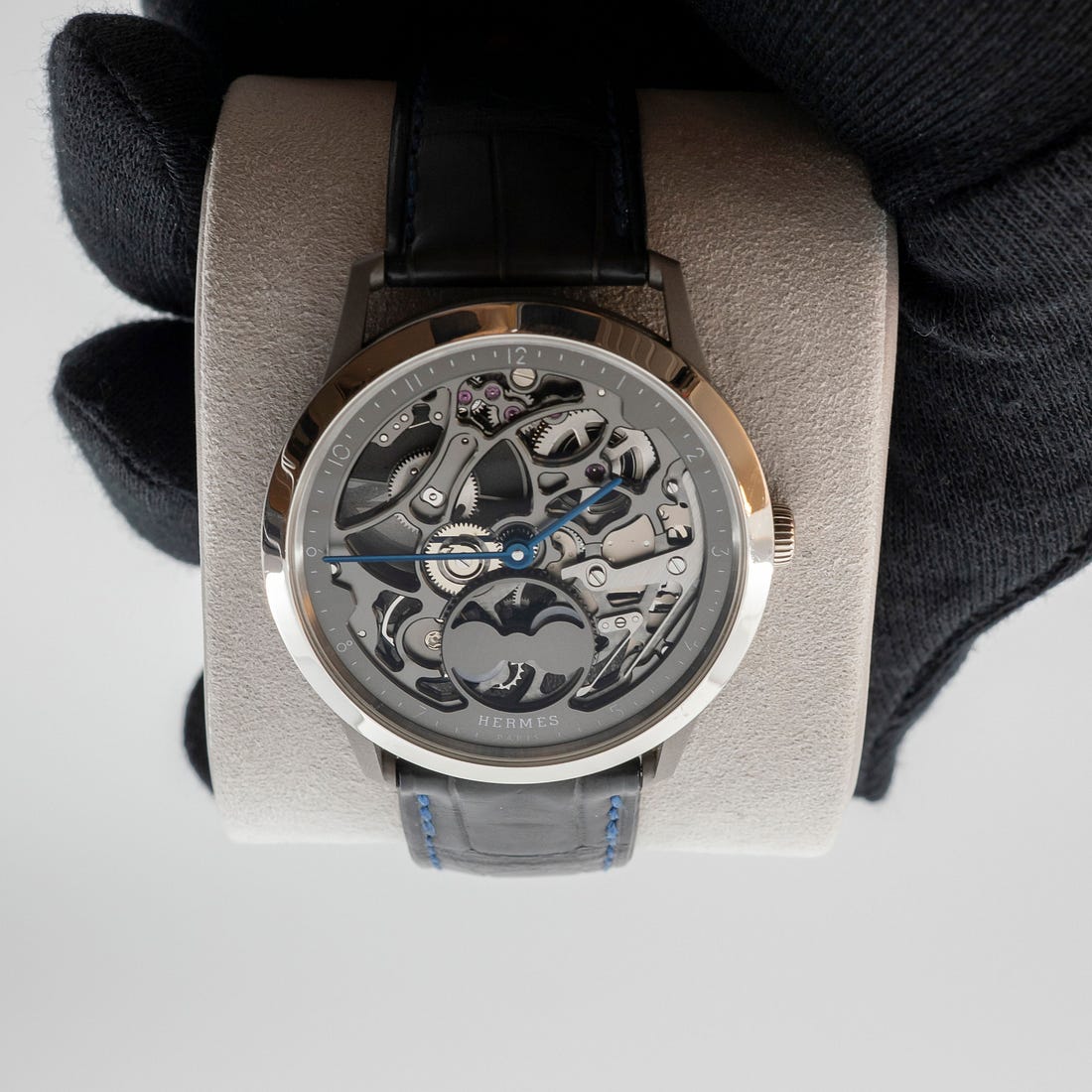
Tonight’s featured auction is a 2022 Slim d’Hermès Squelette Lune, reference 053606WW00, offered in the United States with box and papers and an auction-stated list price of US$30,000. The Slim d’Hermès collection debuted in 2015, and the Squelette Lune followed in 2021, extending the family’s restrained design into openworked watchmaking. Its appeal comes from the contrast between a light, contemporary structure and the double moon-phase display at six o’clock.
The 39.5 mm watch uses the ultra-thin automatic Hermès H1953 movement, with micro-rotor winding and a 48-hour power reserve. There is an important discrepancy in the supplied auction details: the listing identifies steel, while Hermès specifies titanium and platinum for this reference. We checked, it is in fact Titanium and Platinum. The seller describes the dial as excellent and records minor wear on the case, bezel and bracelet/strap field.
The US$30,000 figure supplies retail context, rather than an established resale value. A useful auction comparison is Antiquorum’s May 31, 2026 Hong Kong offering of a circa-2023 Squelette Lune, reference CA6.841, described as unworn with a platinum bezel and titanium case. Its published estimate was US$10,300–US$20,500. That broad range is an auctioneer’s estimate, not a verified sale result, but it demonstrates why bidders should examine the secondary-market evidence rather than calculate a discount from retail alone.
This example’s box, papers and reported condition add useful context. The watch offers distinctive design and an engaging movement, but its value depends on the total payable and the alternatives available at that cost. Following Friday’s unsold H08 Chronograph, it provides another test of how Hermès’ watchmaking appeal translates into an actual transaction. Bidding is scheduled to end at 7:20 p.m. EDT today, Monday, October 26, 2026.
Current bid: $10,199
Losing Time
Today’s Big Rolex Losers at Auction on Grailzee
Eight Rolexes, One Evening, No Sales
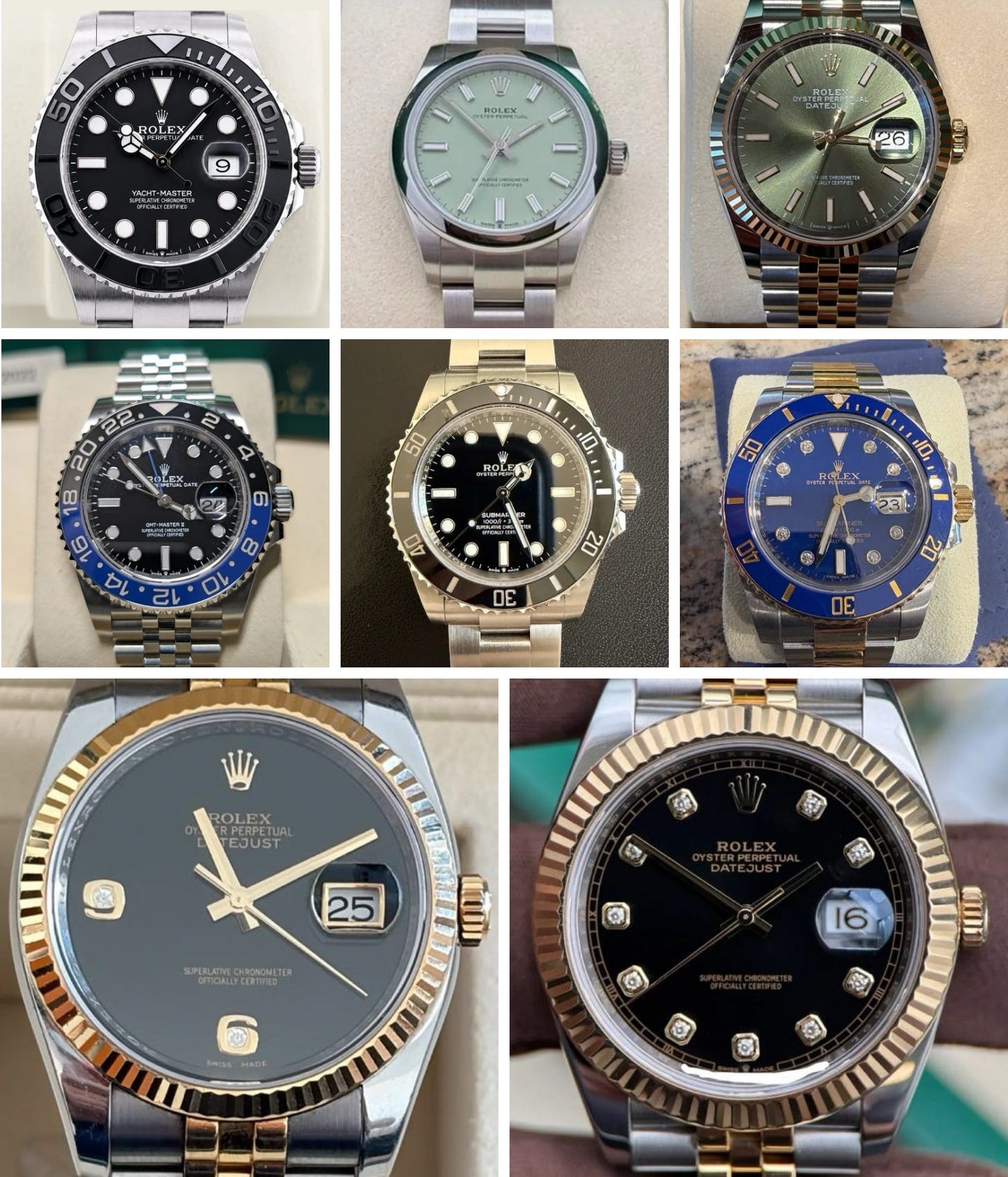
Apparently, the crown does not guarantee a coronation at auction. Eight failed Rolex sales from a single day produced combined asking prices of $144,800 and final bids totaling $90,952—a $53,848 gap, or 37.2% below asking. Sellers brought their expectations. Buyers brought considerably less money.
The 2024 Rolex Yacht-Master 42MM in titanium, with a black dial and Oyster bracelet (226627), carried a $24,400 asking price but attracted a final bid of $18,000. That left it $6,400, or 26.2%, short. Titanium may be lightweight; the seller’s expectations were carrying some heft.
The 2026 Rolex Oyster Perpetual 31MM with a pistachio dial and Oyster bracelet (277200) faced an even sharper rejection. Against an $11,000 ask, the high bid reached just $5,000—$6,000, or 54.5%, below asking. Apparently, buyers were unwilling to pay quite that much extra for pistachio.
The 2026 Rolex Datejust 36MM with a green dial and two-tone Jubilee bracelet (126233) sought $21,900 and received a bid of $11,750. The $10,150 shortfall represented 46.3% of the asking price, the largest dollar gap of the eight. A current-year watch, it turns out, can arrive with yesterday’s pricing expectations.
The 2022 Rolex GMT-Master II “Batgirl” 40MM with a black dial and Jubilee bracelet (126710BLNR) came closest to its target. Its $17,000 high bid was $4,000, or 19.0%, below the $21,000 ask. That was the strongest relative showing here, although “almost one-fifth below expectations” makes for a rather subdued victory lap.
The 2023 Rolex Submariner No-Date 41MM with a black dial and Oyster bracelet (124060) attracted $10,302 against a $13,250 ask. The difference was $2,948, or 22.2%. Buyers showed interest, but their enthusiasm stopped well before the seller’s number.
The 2014 Rolex Submariner Date “Bluesy” 40MM with a blue dial and two-tone Oyster bracelet (116613LB) had an $18,750 ask and an $11,100 high bid. That is $7,650, or 40.8%, below asking. The nickname remained cheerful. The bidding was less accommodating.
The Rolex Datejust 36MM with a black dial and two-tone Jubilee bracelet (116233)—with no year supplied—suffered the biggest percentage miss. Its $15,000 ask met a $5,300 bid: $9,700, or 64.7%, short. Buyers offered barely more than a third of the requested price. That is a fundamental disagreement about value.
Finally, the 2021 Rolex Datejust 41MM with a black dial and two-tone Jubilee bracelet (126333) drew a $12,500 high bid against a $19,500 ask. The $7,000 gap amounted to 35.9%, completing a day in which every seller’s target exceeded the strongest bid by a substantial margin.
Eight Rolexes went through a single auction evening without finding agreement between sellers and bidders. There were more unsuccessful Rolex listings that evening; these eight are the selected examples highlighted here. The repeated appearance of the same crown makes the pattern difficult to dismiss as one seller having an unusually optimistic day.
Across the eight watches, every strongest bid finished at least 19% below the asking price. Four missed by more than 40%. Those are meaningful gaps between the amounts sellers wanted and the amounts participating buyers were prepared to offer.
Together, the strongest bids covered only 62.8% of the combined asking prices. Put another way, for every US$100 sellers collectively sought, the bidding produced US$62.80. The remaining US$37.20 was expectation without matching financial support in those auctions.
That does not mean each watch had lost 37.2% of its purchase value. We do not have that conclusion from these figures. The comparison concerns asking prices and unsuccessful bids, rather than original purchase prices or completed transactions. Condition, completeness, fees, auction exposure and the composition of the bidding audience can all influence the outcome.
Still, eight failed sales in one evening raise a legitimate question about liquidity. A seller may choose to wait for a preferred price. An owner who needs to sell has to deal with the offers actually available. Those positions can coexist for a while, but they describe very different experiences of “holding value.”
For Rolex, the uncomfortable issue is how much of the resale proposition depends on patience that the owner may not have. Strong recognition gets a watch noticed. It does not require another collector to accept the seller’s valuation.
The crown was still on the dial. Buyers simply declined to fund the royal expectations.
Closing Time
Thank you for starting your week with BuyingTime Daily. Today’s watches offer plenty to admire: inventive movements, thoughtful proportions, unusual materials and the people who make collecting rewarding.
Give some wrist time to a watch you already enjoy. When the next purchase comes along, take time to understand both the object and the price. A satisfying collection should give you reasons to look at your wrist without needing to check what somebody else might pay for it.
Have a great Monday.