Rolex GMT-Master Ref. 6542: The Infamous 1959‑1960 Watch
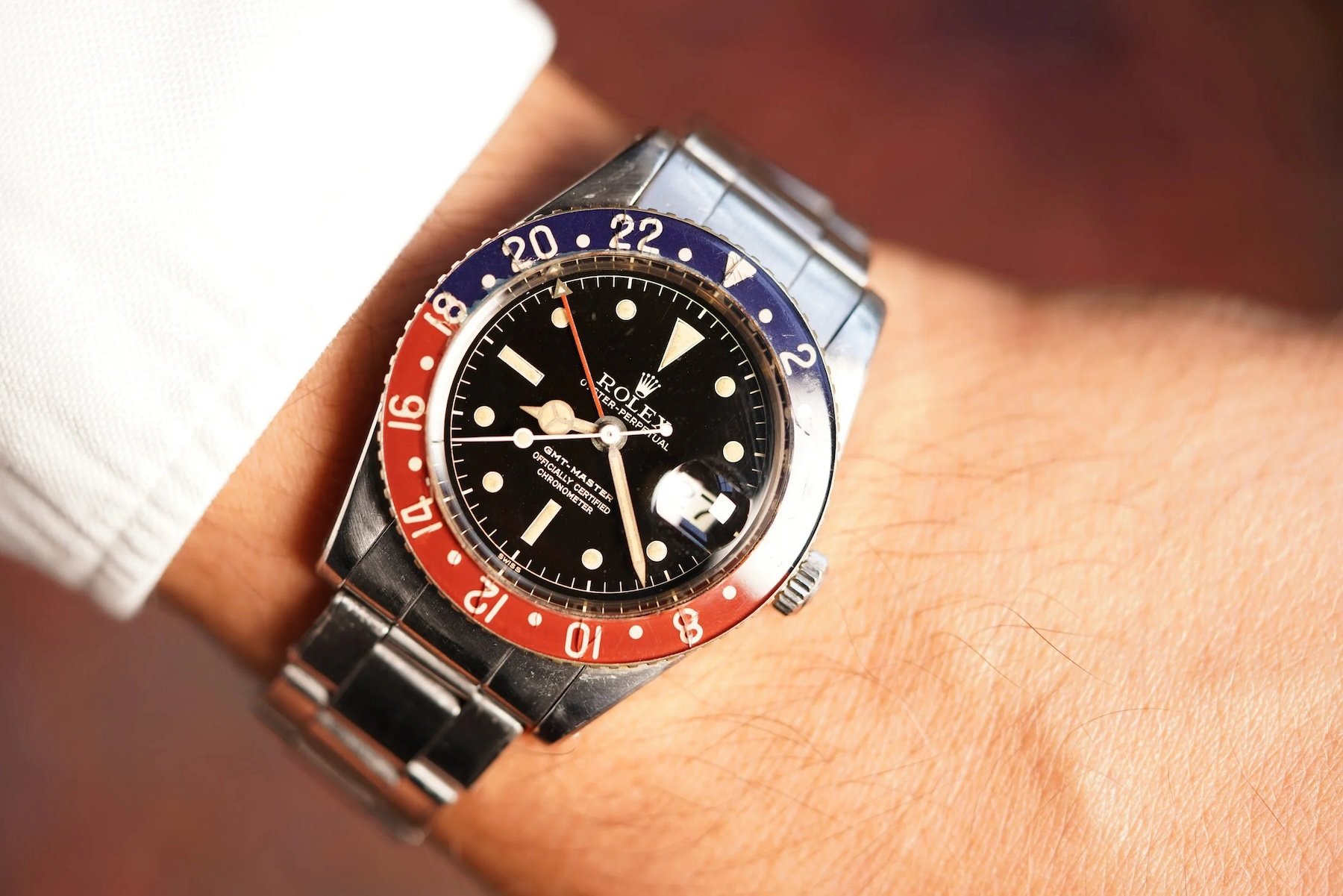
The Rolex GMT‑Master ref. 6542 was introduced in the late 1950s as a pioneering tool for pilots and international travelers, offering a dual‑time zone display through a red‑and‑blue 24‑hour rotating bezel and an additional 24‑hour hand. Its distinctive “Pepsi” bezel quickly became iconic, while the watch’s steel version sold for US $240 and the gold version for US $600. In 1959 the bezel’s luminous plastic was found to contain the radioactive isotope strontium‑90, leading to high radiation readings in a New Jersey laboratory and prompting an investigation by the U.S. Atomic Energy Commission. Rolex received a temporary licence to recall the affected watches, swapped out the hazardous bezels, and faced widespread media coverage of the incident. The controversy accelerated the watch industry’s shift away from radioactive luminescent materials, spurring regulatory scrutiny and prompting manufacturers to adopt safer alternatives such as tritium and later non‑radioactive photoluminescent pigments. Rolex responded by replacing the original luminous bezel with a non‑radioactive aluminum version while preserving the iconic two‑tone aesthetic. The episode marked a turning point in horological safety standards, influencing broader industry practices and contributing to the eventual abandonment of radium‑based illumination in favor of more benign technologies.
Buying Time Analysis: The Rolex GMT‑Master ref. 6542 story is pivotal because it sparked the first major public recall of a radioactive wristwatch, exposing health risks, prompting industry‑wide shifts away from hazardous luminous materials, and ushering in safer watch‑making technologies.