Why Zenith Must Become LVMH’s Central Watch Movement
Zenith should become the mechanical core of LVMH’s watchmaking, serving as the group’s official movement manufacturer and technical authority.

LVMH appears to be making a strategic error with Zenith. Reports last week indicate that Zenith is being pushed further upmarket, with major restructuring, possible job cuts, reduced volume, and a renewed emphasis on haute horlogerie. That may sound logical on paper: Zenith has genuine watchmaking credentials, a long history, a real manufacture, and the ability to produce exceptional movements. But moving Zenith further into the ultra-high-end risks misunderstanding what the brand is actually good at, where it sits in the market, and what LVMH already has in its portfolio.
The more compelling strategy is not to turn Zenith into a niche maker of expensive connoisseur pieces while hollowing out its accessible core. The better strategy is to make Zenith the mechanical nucleus of the entire LVMH watch ecosystem: the group’s named movement manufacturer, technical authority, and long-term service backbone. In that role, Zenith would still make Zenith-branded watches, but it would also become the visible manufacture powering a broader family of LVMH products, from enthusiast chronographs to jewelry watches, fashion-house automatics, and cross-brand collaborations.
That approach would not diminish Zenith. It could do the opposite. It would make Zenith more relevant, more visible, more industrially important, and potentially more desirable to buyers who want to own the source rather than merely one of its derivatives.
The mistake in moving Zenith upmarket
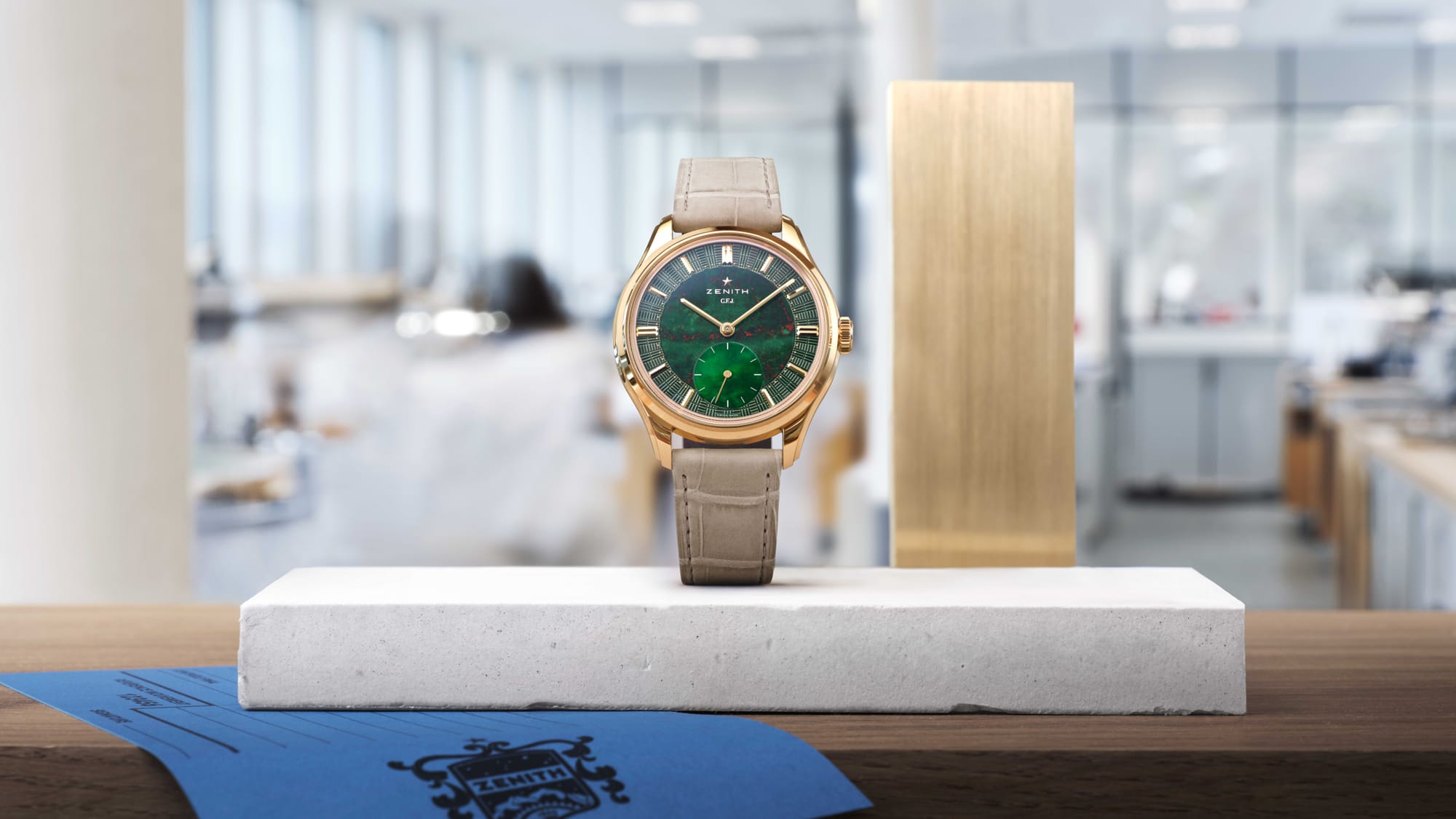
Zenith certainly has the credibility to produce expensive watchmaking. The modern G.F.J. revives the historic Calibre 135 and brings with it a serious chronometric story, including a 72-hour power reserve, shock protection, COSC certification, and a movement descended from the calibre most associated with Zenith’s observatory success. The problem is not whether Zenith can make a great high-end watch. The problem is whether that should become the center of the brand.
Recent reporting suggests that Zenith’s restructuring includes a pivot away from its former core territory around CHF 8,000 to 15,000 and toward much higher-priced haute-horlogerie output, with a lower-volume relaunch envisioned around 2029. That is a dangerous position to vacate. Zenith’s historical strength has been that it offers real manufacture watchmaking, authentic chronograph heritage, and technical credibility at a level that serious enthusiasts can still justify buying and wearing.
A $50,000 Zenith can be impressive. But a $7,000 to 12,000 Zenith chronograph with a legitimate manufacture movement, strong design, and real historical relevance is strategically more valuable. That watch has a clear role in the market. It can bring enthusiasts into the brand, create long-term collectors, and act as a stepping stone to more expensive LVMH products. By contrast, a radically upmarket Zenith risks being squeezed between established haute-horlogerie maisons on one side and the far broader, more understandable luxury-sports market on the other.
This also creates an internal portfolio problem. LVMH already owns maisons better suited to rarefied, low-volume, high-complication positioning. Daniel Roth, Gérald Genta, Louis Vuitton via La Fabrique du Temps, and Bvlgari all have stronger claims to distinct high-watchmaking niches, whether through classical horology, design-led complications, artisanal movement finishing, or jewelry-inflected technical experimentation. Zenith does not need to become all things to all buyers. It needs to be the one brand in the group that is unmistakably the manufacture.
A cleaner LVMH hierarchy
LVMH’s watch portfolio would make more sense if each major house had a clearer role. The group already contains brands with very different personalities, but the underlying strategy is not always legible to customers. LVMH itself describes the watch and jewelry division as a set of complementary maisons, yet those complementarities often remain abstract rather than operationalized.
A more coherent structure would look something like this:
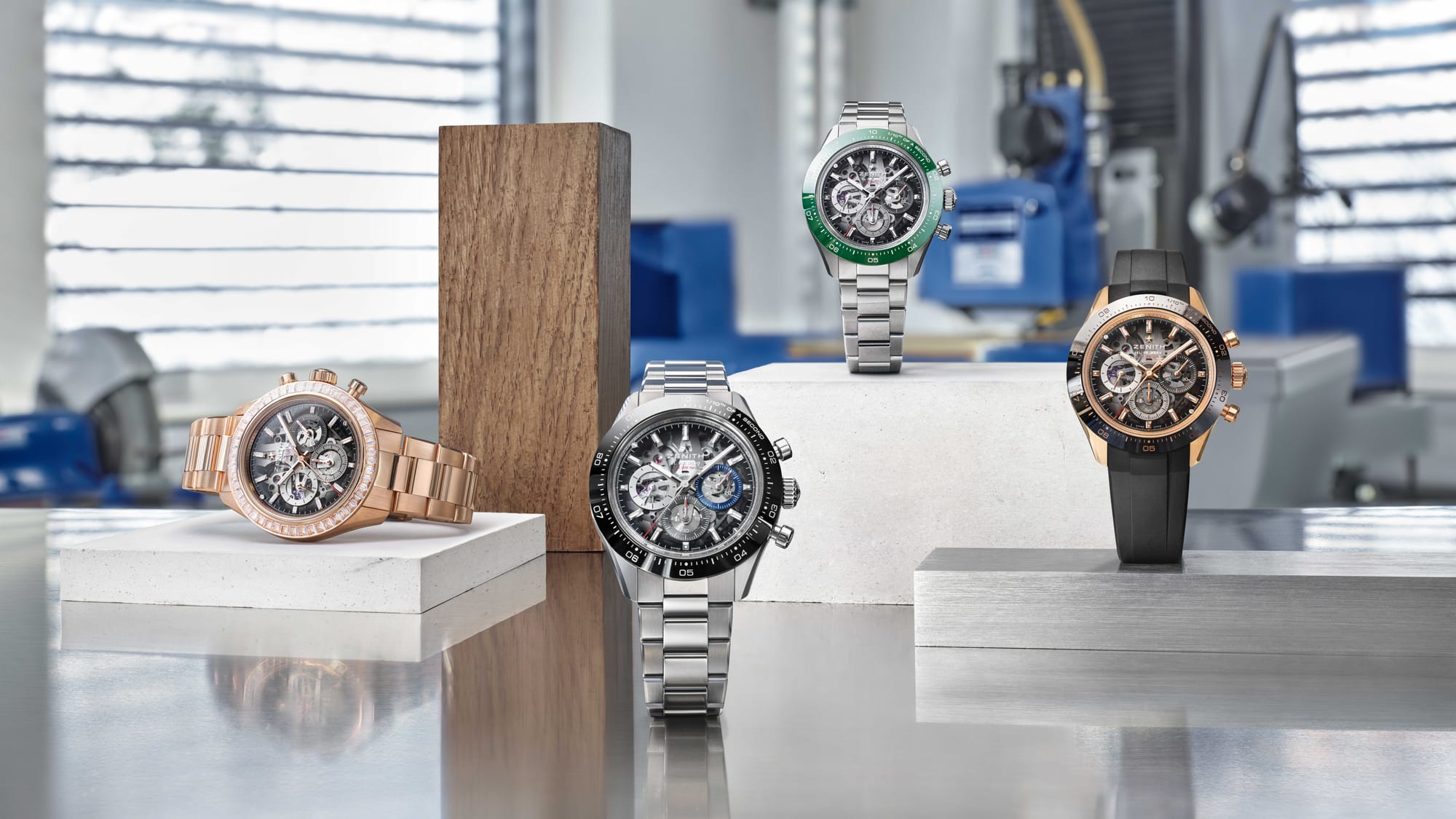
TAG Heuer should serve as LVMH’s accessible sports-watch brand, concentrating on the roughly $2,000 to $6,000 range with racing, diving, and broadly appealing chronograph models. Zenith should sit above it as the enthusiast-oriented manufacture brand, offering modern Swiss mechanical watches—particularly El Primero chronographs, Defy sports watches, and Pilot models—primarily in the $6,000 to $12,000 range, with room to extend toward $15,000 for more complex or precious-metal pieces.
Hublot can remain in its existing role as LVMH’s bold, materials-driven luxury-sport marque, while Tiffany & Co. should focus on precious-metal and jewelry-led watches that complement its core authority in diamonds, gem-setting, and elegant design. Louis Vuitton should continue as the group’s fashion-forward high-watchmaking house, using its distinctive Tambour platform, travel motifs, unusual displays, and artisanal complications. Bvlgari should retain its position as the most technically experimental and design-led watchmaker in the group, spanning Octo Finissimo ultra-thin engineering, jewelry watches, and unconventional complications.
At the very highest end, Daniel Roth and Gérald Genta are better homes for very low-volume, collector-oriented haute horlogerie than Zenith. Daniel Roth can own classical, traditionally proportioned high watchmaking, while Gérald Genta can focus on radical displays, retrogrades, jumping indications, and expressive complications. This leaves Zenith free to be both a compelling standalone manufacture brand and the group’s visible mechanical foundation.
Zenith as the group’s mechanical backbone
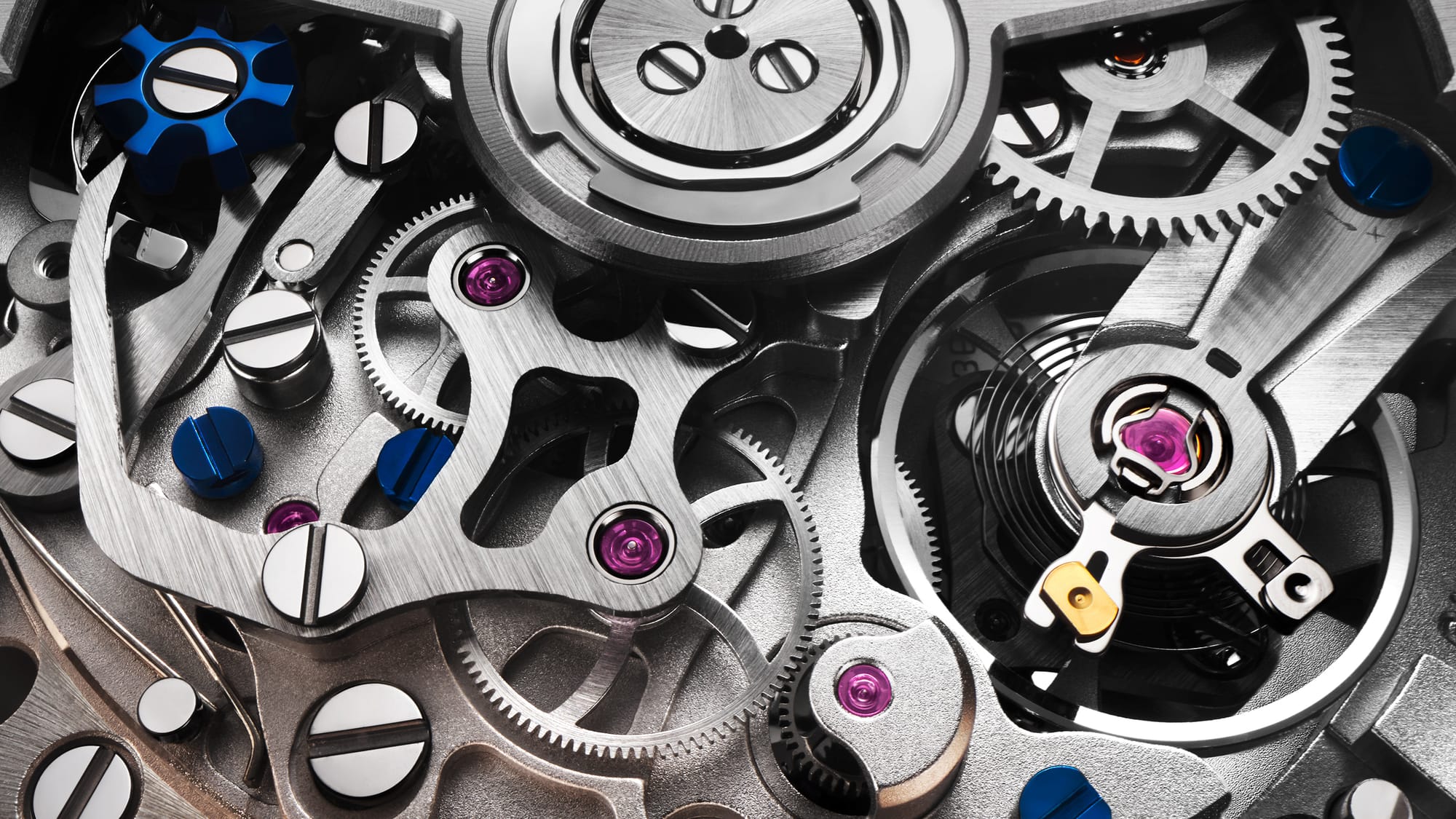
This is the heart of the argument. Zenith should not merely be another LVMH watch brand. It should be the group’s named movement manufacturer.
There is already evidence that LVMH is moving in that direction. Industry reporting has described Zenith as the official movement manufacturer and developer for the group’s watch and jewelry brands, and noted that Elite and El Primero movements are already being supplied across the portfolio. Recent reporting on Zenith’s restructuring also indicates that movement manufacturing for other brands such as Hublot and Bvlgari is expected to continue. In other words, the infrastructure exists. What is missing is a coherent public-facing strategy.
Zenith’s role should be explicit. If a watch contains a Zenith-developed and Zenith-manufactured movement, that should be communicated plainly. Not hidden in a technical sheet. Not buried under vague “Swiss automatic” phrasing. Named. Credited. Used as a selling point.
That opens up a much more interesting set of attribution models across the group:
- Powered by Zenith for watches using a Zenith base calibre with modest maison-specific changes.
- Built by Zenith Manufacture when Zenith manufactures and materially adapts the movement for another maison.
- Engineered by Zenith with [Maison] when the movement is a genuine co-development.
- Designed by [Maison], built by Zenith for fashion houses where the creative identity is upstream and the mechanical identity is downstream.
- Imagined by Gérald Genta, engineered by Zenith for conceptually ambitious watches where Genta authors the display concept and Zenith solves the mechanical problems.
That kind of attribution is not just honest; it is strategically useful. It helps Tiffany or Dior claim real mechanical credibility without pretending to be fully independent movement houses. It lets Louis Vuitton, Gérald Genta, and Daniel Roth preserve their own authorship while leveraging Zenith’s engineering base where appropriate. And it turns Zenith from an under-recognized supplier into a visible source of value.
Why this is not the same as dropping in an ETA or Sellita
A predictable objection is that using one group manufacture across multiple brands can sound suspiciously close to the old model of buying a generic ETA or Sellita, adding a signed rotor, and calling it a day. That is exactly why the Zenith strategy has to be handled differently.
The point is not to hide a stock movement inside multiple watches. The point is to create a shared movement family that is developed intentionally for use across the group, with each maison participating in the specification of its own variant.
A Zenith-based family could work like this:
- Zenith defines the core architecture: base calibre dimensions, gear train, escapement, winding system, tolerances, service procedures, and replacement-part structure.
- The receiving maison defines the brief: thickness, dial-side layout, rotor design, decorative code, complication interface, or caseback presentation.
- Zenith and the maison co-develop the variant.
- The finished calibre receives a maison-specific designation that still reveals its Zenith parentage.
That is a very different proposition from a generic ebauche. It creates shared engineering, shared industrial volume, and shared long-term support while still leaving room for meaningful maison-specific work.
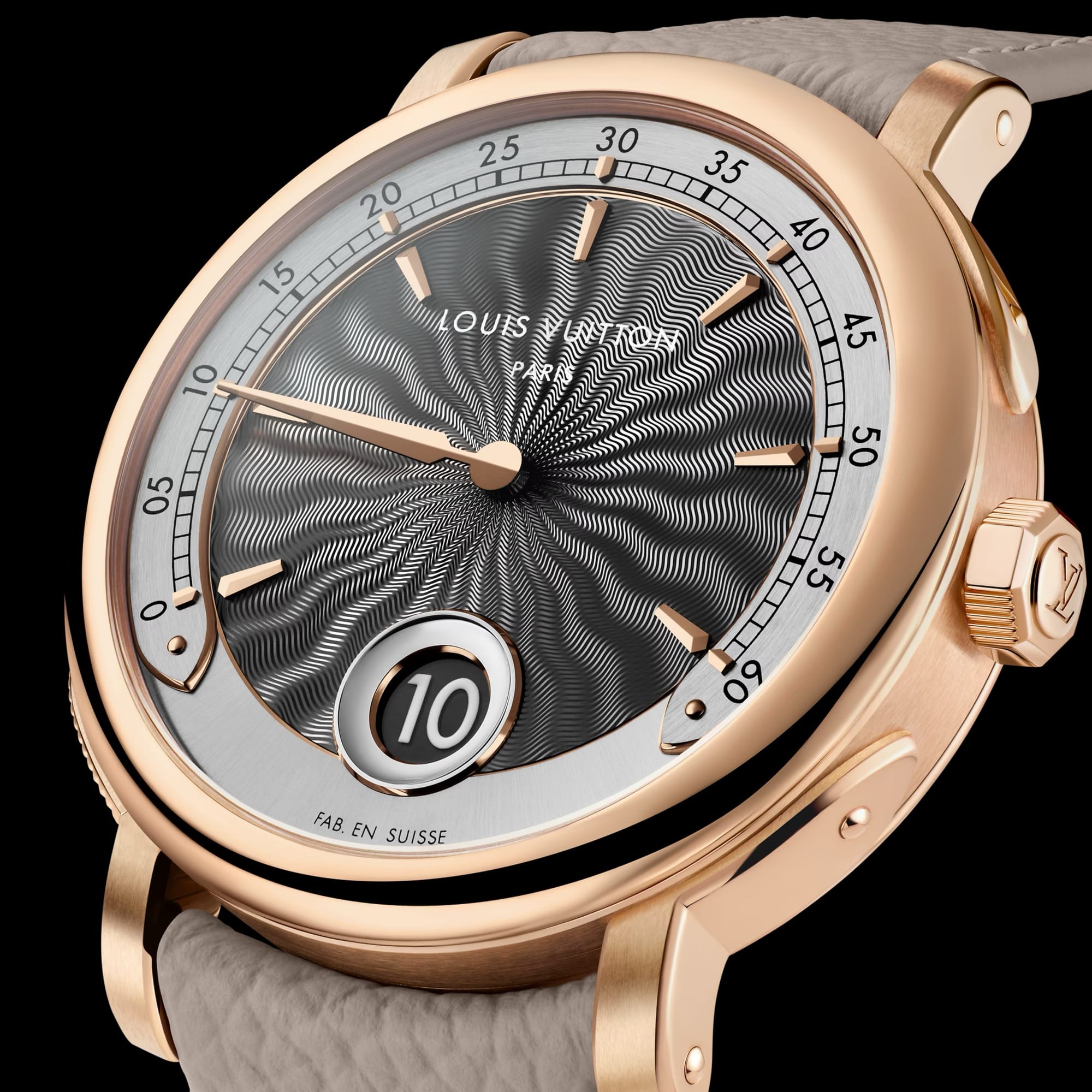
A transparent calibre nomenclature could reinforce this. Tiffany could have a Calibre T-135 based on Zenith’s Calibre 135, Dior a Calibre D-670 based on a Zenith automatic family, Gérald Genta a Calibre GG-135, and Louis Vuitton an LV-EP built around an El Primero-derived architecture. The enthusiast instantly understands the provenance. The maison retains authorship. Zenith gains visible recognition.
The serviceability argument may be the strongest one
This is where the idea becomes more than a branding exercise. Shared Zenith movement families could meaningfully improve long-term serviceability across LVMH’s watches.
That matters enormously. One of the underappreciated virtues of ETA and Sellita workhorse calibres is not glamour. It is survivability. Those movements are found in hundreds of watches across many brands, which means parts, technical familiarity, and independent servicing knowledge are widespread. Forty years later, that ecosystem can matter more than whether the movement was “exclusive” on launch day.
A properly structured Zenith movement family could create a similar advantage at a higher level of quality and group integration. If multiple LVMH maisons use related Zenith-derived calibres, the installed base becomes large enough to justify long-term parts stock, standardized training, independent technical familiarity, and documented interchangeability.
That means an heirloom watch has a better chance of staying alive. The future owner of a Tiffany, Dior, Hublot, or Louis Vuitton mechanical watch would not be entirely dependent on the commercial survival of a single product line. The watch’s core movement family would have a broader industrial base supporting it.
This is not theoretical. Zenith already emphasizes historical repair and restoration, and says it can repair past and present Zenith watches through manufacture-trained watchmakers, with restoration capability for the vast majority of parts. Reporting also indicates that Zenith holds more than one million components for repairing and refurbishing vintage models. Those are exactly the foundations that could support a long-life group movement strategy.
The key principle should be simple: for an heirloom watch, function often matters more than invisible internal originality. A future owner would rather have a watch that runs reliably with a compatible Zenith-family service component than a dead watch waiting for a brand-specific screw, arbor, or setting lever that no longer exists. That does not mean indiscriminate parts-swapping. It means thoughtful interchangeability between service-grade mechanical parts and maison-specific aesthetic parts.
Fashion houses benefit the most from honest mechanical attribution
The maisons that would gain the clearest immediate benefit may be the fashion houses. A fashion-house automatic often faces the same skepticism: is it a real watch, or just a beautifully branded object with an anonymous movement? Zenith provides an answer.
The wording almost writes itself:
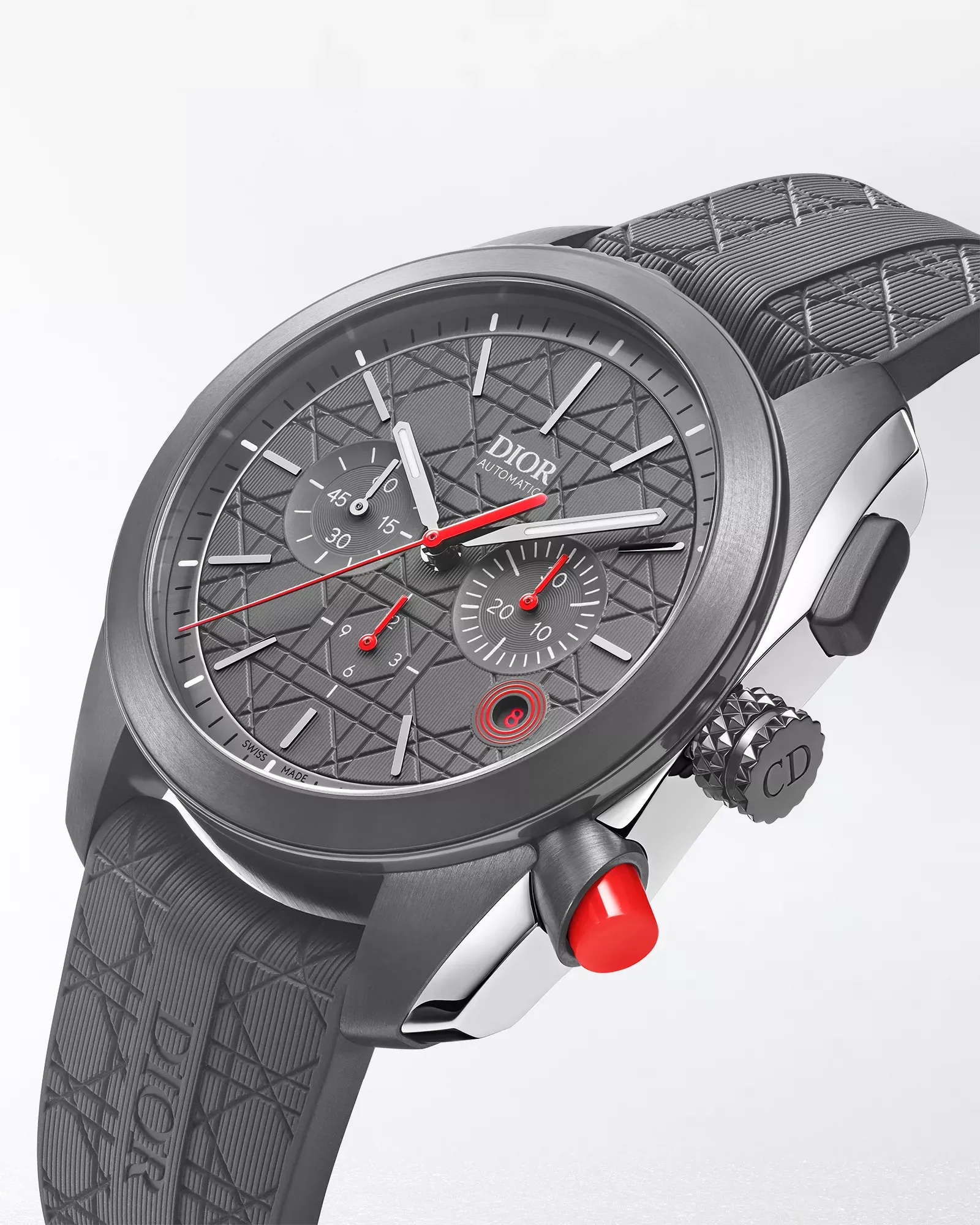
Designed by Dior. Built by Zenith.
That is elegant because it assigns credit correctly. Dior owns the aesthetic universe: the asymmetry, case design, dial, materials, strap, color, and overall attitude. Zenith owns the movement design, manufacturing, regulation, and long-term service foundation. The buyer gets a fashion maison’s design language and a historic manufacture’s mechanical credibility in one sentence.
The same logic could extend to Fendi, Loewe, and Rimowa if those brands ever expand or formalize mechanical-watch offerings. Instead of pretending each maison separately developed a movement, LVMH could present the collaboration as a strength. It becomes a group competence.
Dior and the cost of vague provenance
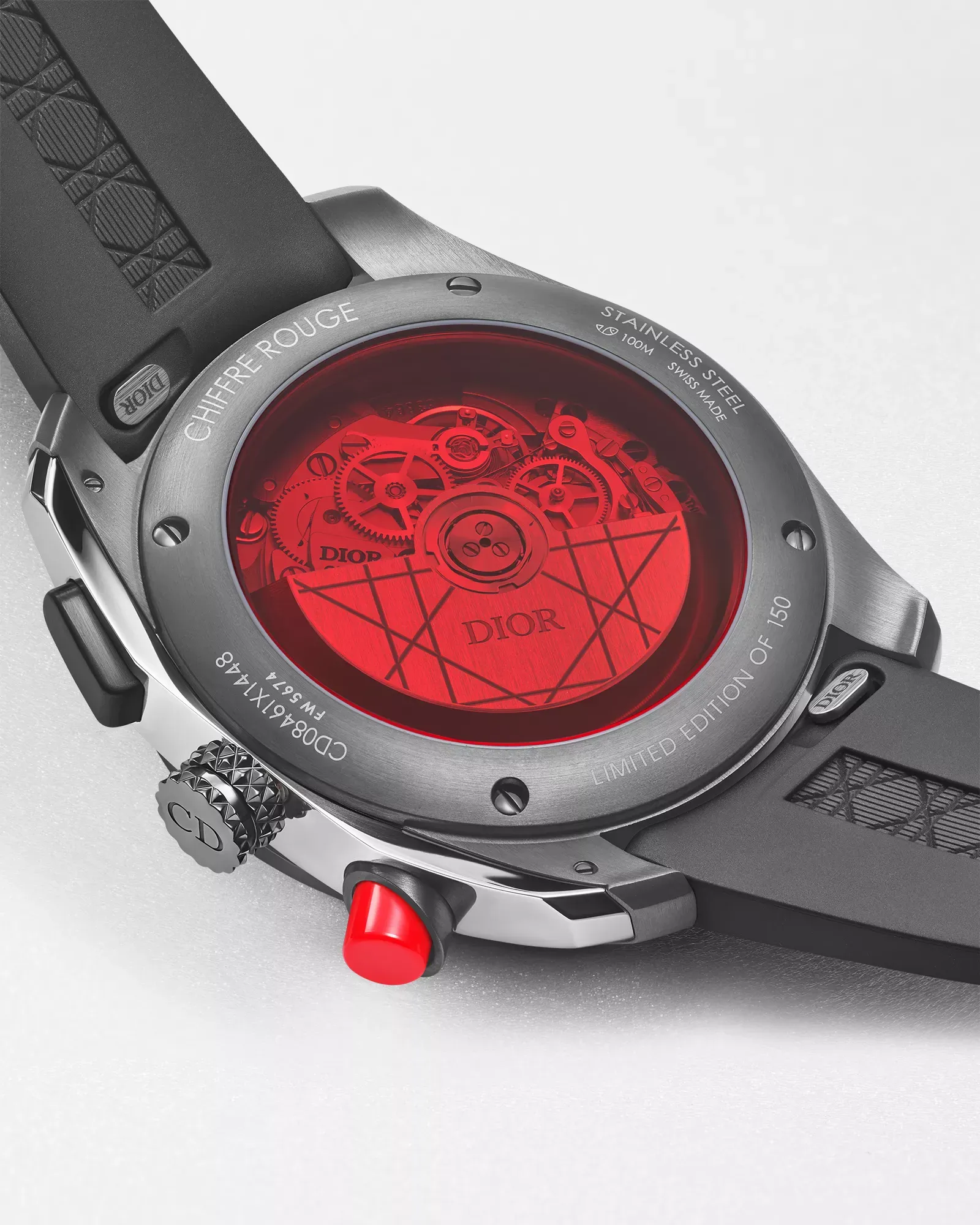
Dior’s current Chiffre Rouge collection shows both the promise of LVMH’s internal watchmaking resources and the cost of failing to communicate them clearly. On paper, the chronograph is exactly the kind of product that should strengthen confidence in a fashion-house watch: Dior’s own collection page states that Chiffre Rouge chronograph models use the “emblematic Zenith El Primero movement,” and several individual product pages identify the CD.001 as a Zenith El Primero “designed and embellished for Dior.” Independent coverage reaches the same conclusion, describing the CD.001 as a lightly modified El Primero chronograph sold under a Dior calibre name.
That should be a compelling story. A buyer spending roughly $14,100 on a Dior chronograph is not getting an anonymous fashion-watch movement, but one of the most historically important automatic chronograph families in Swiss watchmaking, adapted for Dior. The problem is that Dior does not communicate that relationship consistently. Some product pages identify Zenith directly, while other near-identical Chiffre Rouge chronographs list only “CD.001 automatic movement,” even though the specifications still point to the same 5 Hz, 36,000-vph, approximately 48-hour El Primero architecture. A customer should not have to reverse-engineer the movement’s origin from the beat rate.
The issue becomes even clearer with the three-hand Chiffre Rouge models. Dior describes them simply as using the CD.002 automatic movement, with a 4 Hz frequency and about 50 hours of power reserve, but makes no mention of the actual supplier on the product page. Independent reporting identifies the CD.002 not as a Zenith calibre, but as a Dior-branded Sellita SW300-1—a perfectly competent, slim, widely used off-the-shelf movement derived from the ETA 2892-A2 architecture. There is nothing inherently wrong with that choice in a smaller brand or a more affordable watch; in fact, the SW300-1’s broad use means good serviceability and widespread independent familiarity. But in a watch priced around 7,800 euros to $7,900, it weakens the mechanical proposition because the movement is commonplace, inexpensive at the component level, and not meaningfully exclusive to Dior.
That contrast within the same collection exposes the larger strategic problem. Dior already proves that a fashion house can produce a much more convincing mechanical watch when it taps the expertise of a sister manufacture like Zenith. The CD.001 chronograph feels materially more legitimate because the movement beneath the Dior name has real horological heritage and technical identity. The CD.002 three-hander, by contrast, asks the customer to accept a luxury-fashion price for a watch whose movement is functionally sound but mechanically generic.
This is exactly why LVMH should formalize a movement-attribution policy. The chronograph should say, clearly and consistently: Designed by Dior, crafted by Zenith Manufacture. The three-hand watch, if it continues to use Sellita, should simply state that honestly rather than hiding behind an internal calibre code. Better still, Dior should replace the SW300-based CD.002 with a Dior-specified Zenith Elite-derived calibre—something like a Dior Calibre D-670 built by Zenith Manufacture, Le Locle. The specifications might not transform dramatically on paper, but the watch would gain a more distinctive mechanical identity, a stronger group-manufacture story, and a much more persuasive justification for its price.
Tiffany, Louis Vuitton, and Gérald Genta show how far the concept can go
The strategy becomes more interesting as the maisons become more specialized.
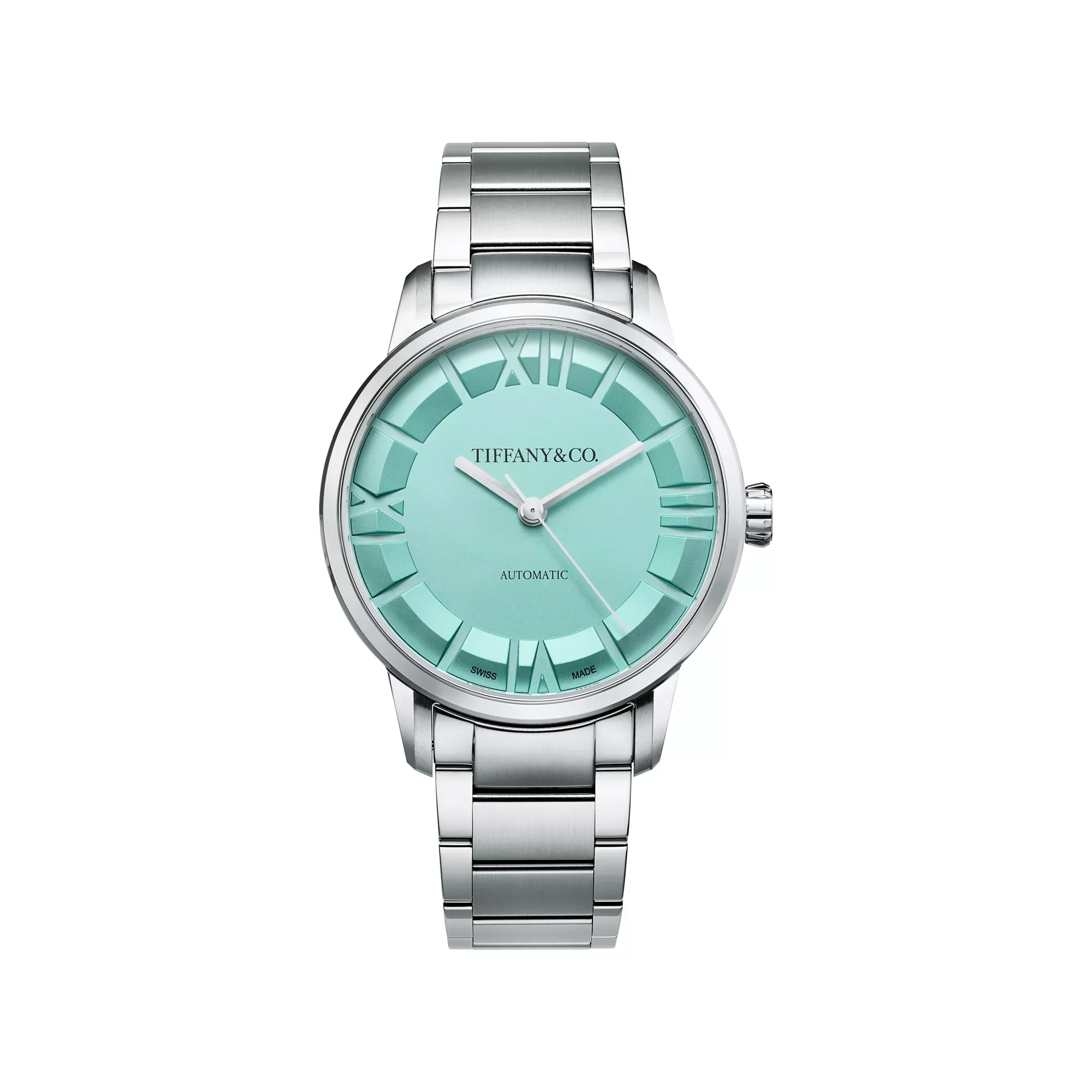
Tiffany is an ideal case because it can pair jewelry authority with visible movement authorship. The 2026 Tiffany Timer already uses a customized Zenith El Primero 400 and a Tiffany-specific yellow-gold Bird on a Rock oscillating weight. That is a proof of concept. A more ambitious Tiffany movement could be labeled Powered by Zenith, finished by Tiffany, with bridge treatments, engraving, jewel colors, and oscillating-mass design tailored to Tiffany’s visual identity.
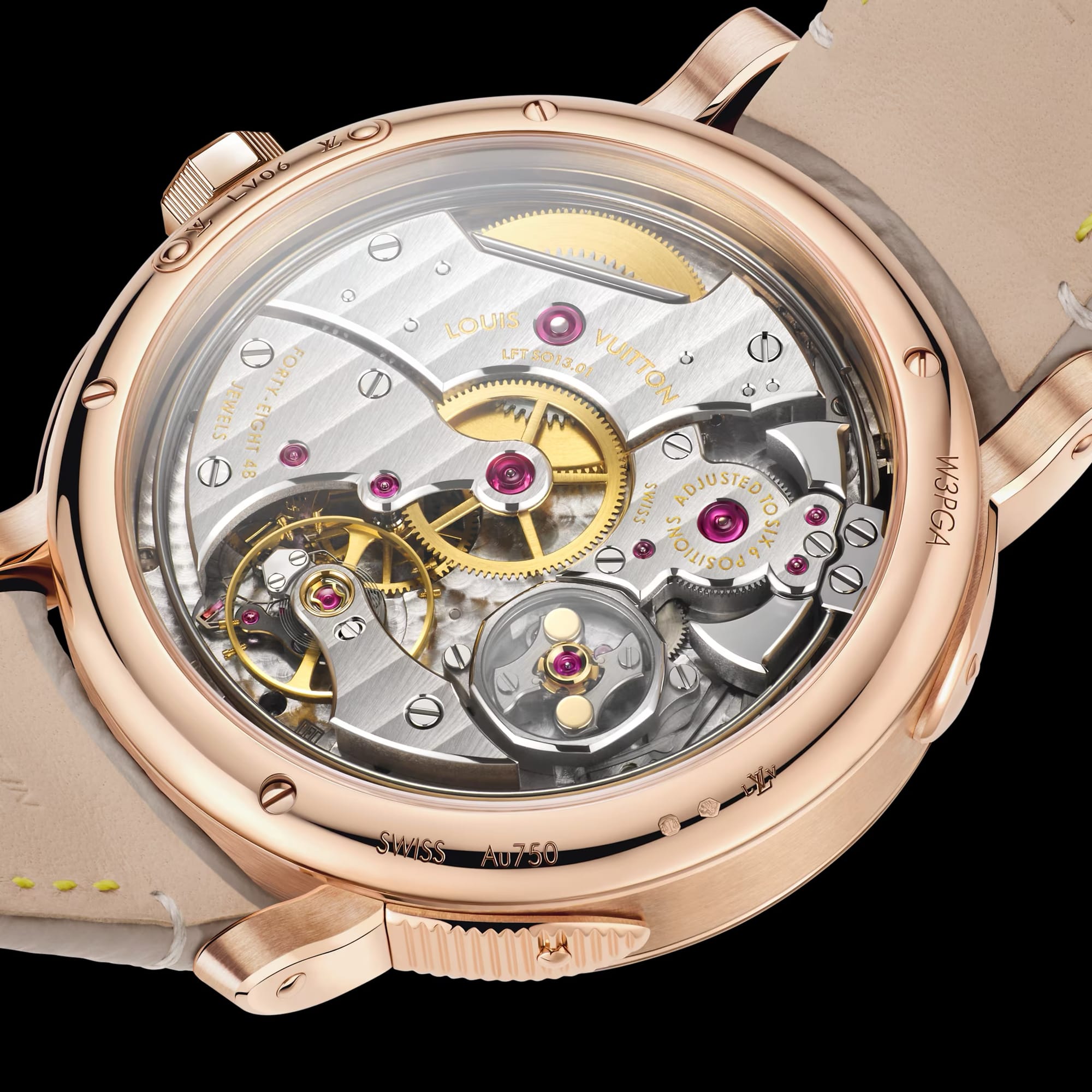
Louis Vuitton and Gérald Genta invite a more collaborative model. La Fabrique du Temps unites Louis Vuitton, Daniel Roth, and Gérald Genta within a common high-watchmaking environment, and is the right place for exclusive complications, artisanal assembly, and advanced decorative execution. Zenith does not need to replace that work. It can complement it.
That leads naturally to a phrase like:
Imagined by Gérald Genta. Engineered by Zenith. Crafted at La Fabrique du Temps Louis Vuitton.
That would be a deeply compelling attribution line. It tells the buyer exactly where the idea came from, who made it mechanically feasible, and where it was turned into a finished haute-horlogerie object. It is also much more believable than trying to attribute everything to one maison when the actual strengths are distributed.
Zenith collaborations inside LVMH could become a real product strategy
Once Zenith is understood as a design-compatible manufacture rather than only a standalone brand, internal collaborations become much more plausible. A Zenith × Rimowa watch is a good example.
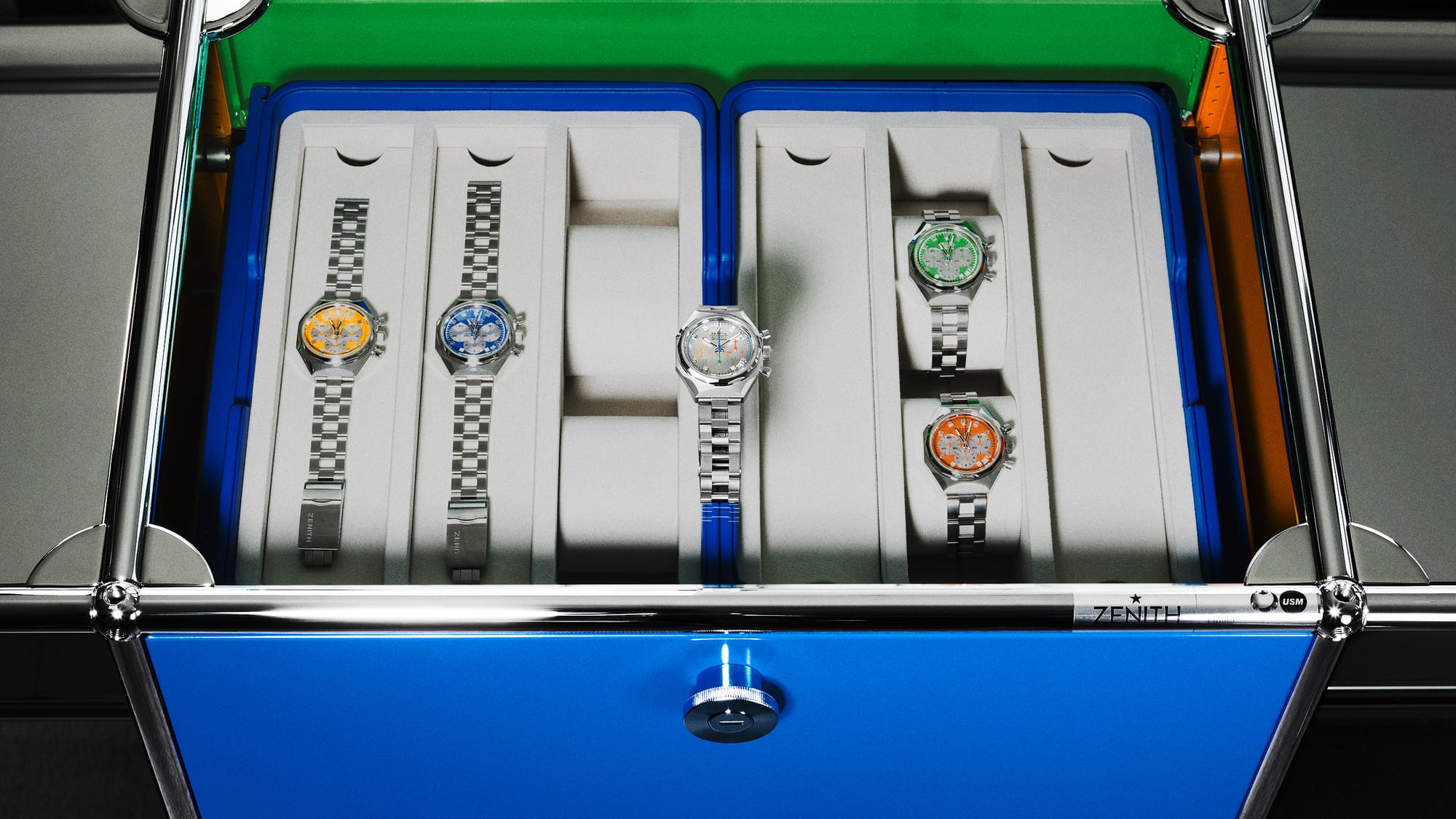
Rimowa’s identity revolves around grooved aluminum, functional engineering, and travel. Zenith’s Defy language, El Primero heritage, and general industrial-modern design vocabulary make it one of the few LVMH watch brands that can meet Rimowa on equal conceptual footing. Zenith has already demonstrated through its USM partnership that it can translate another brand’s design cues into a real product rather than a superficial co-branded novelty.
A Zenith × Rimowa Defy GMT or chronograph could feel legitimate: grooved metal dial, travel-focused functionality, highly durable construction, and useful packaging integrated with the luggage brand’s ecosystem. That is exactly the sort of collaboration Zenith should be doing. It reinforces Zenith’s relevance inside the group while avoiding the trap of empty logo-sharing.
The one reasonable exception: TAG Heuer and entry-level price points
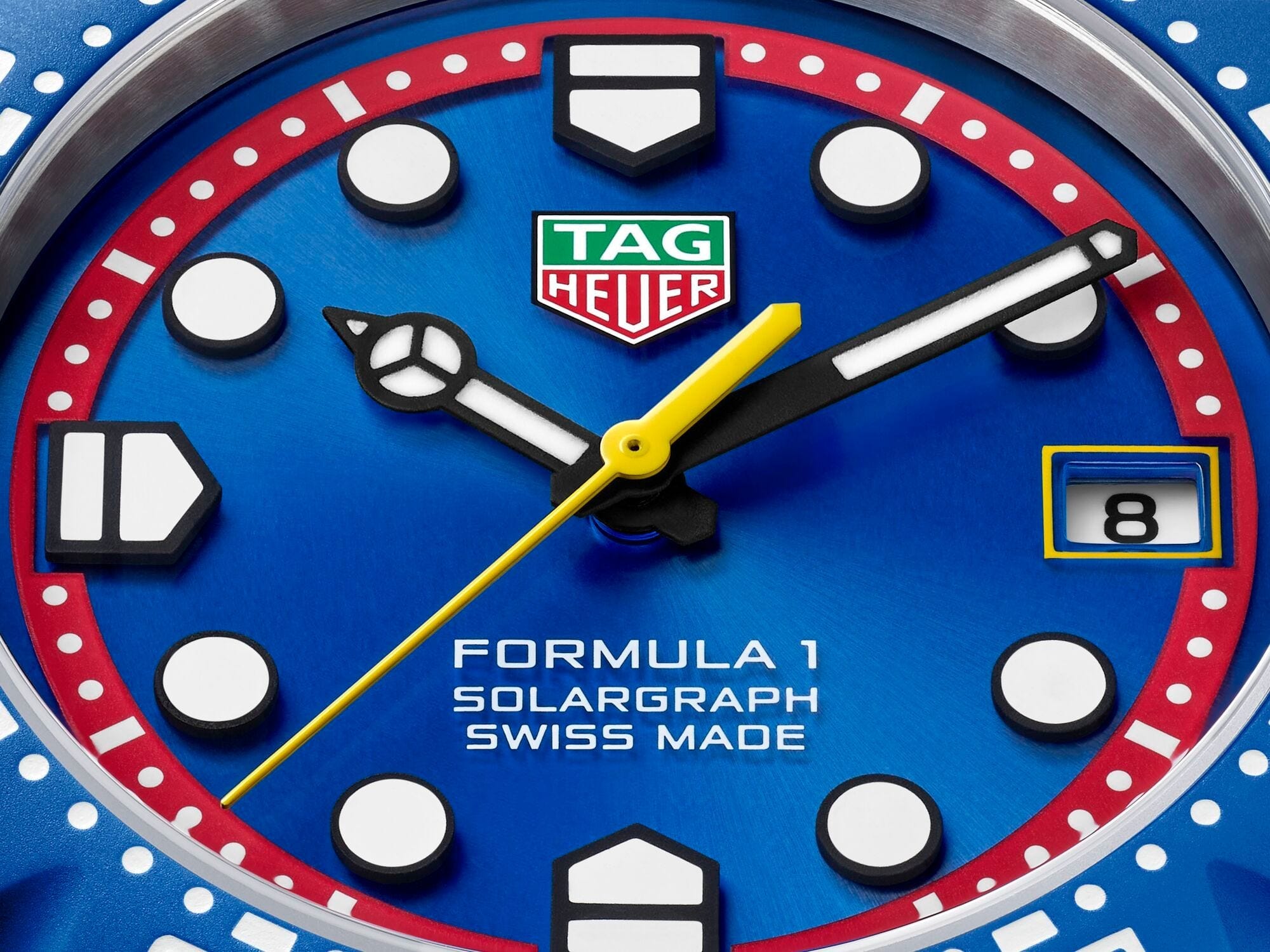
The only significant caveat is TAG Heuer. If LVMH wants TAG to remain competitive at the lower end of Swiss luxury, especially around the low thousands, there is a practical case for using outside movements in selected entry-level mechanical models.
There is precedent for that in the wider market. Tudor, despite its manufacture credentials, has used supplier-derived movements in more affordable parts of the line, including Sellita-based calibres in Royal models. TAG Heuer itself has long used sourced movements in parts of its lineup. There is nothing inherently shameful about that if the watch is priced appropriately and the movement is disclosed honestly.
But that should be the exception, not the rule. Below a certain threshold, perhaps only TAG Heuer should retain the option of an outside Sellita- or ETA-derived movement to preserve accessibly priced mechanical watches. Above that threshold, and across the rest of the LVMH portfolio, Zenith should become the default mechanical supplier.
That is how the group would finally extract strategic value from owning a historic manufacture. Otherwise LVMH is effectively paying to maintain Zenith’s technical capability while still ceding too much of its mechanical backbone to outside suppliers.
The watch’s disclosure should make the distinction explicit:
TAG Heuer Calibre 5 — Swiss automatic movement
Appropriate for price-sensitive entry models.
versus:
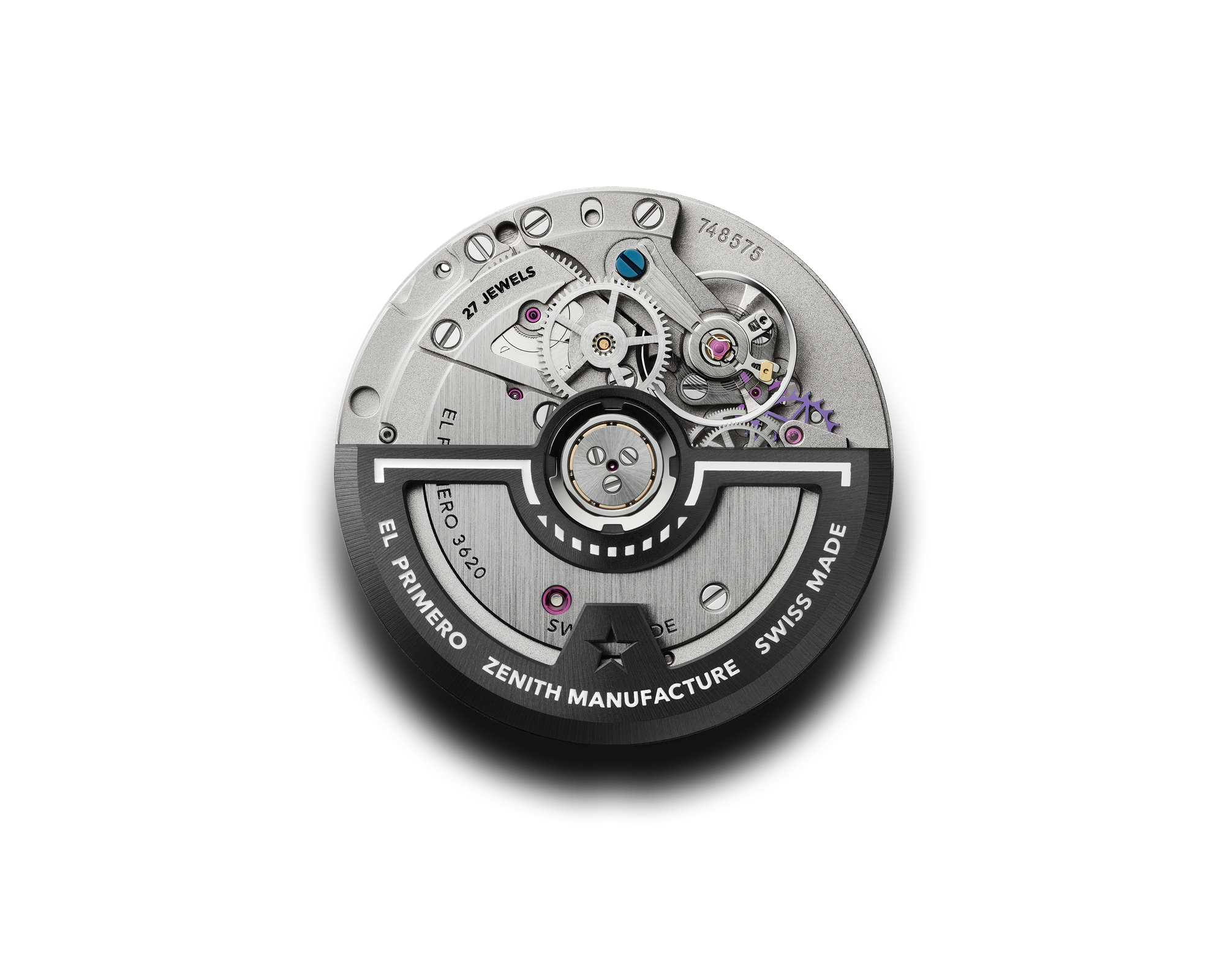
Dior Calibre D-670 — Designed by Dior, built by Zenith Manufacture, Le Locle
A Zenith-developed, LVMH service-supported movement family.
That is not an argument that every watch needs a movement made by Zenith. It is an argument that, when LVMH sells a mechanical watch above the genuinely entry-level threshold, it should leverage the movement manufacture it already owns.
Why this could make Zenith itself more attractive
This strategy does not reduce Zenith to a parts supplier. It elevates it.
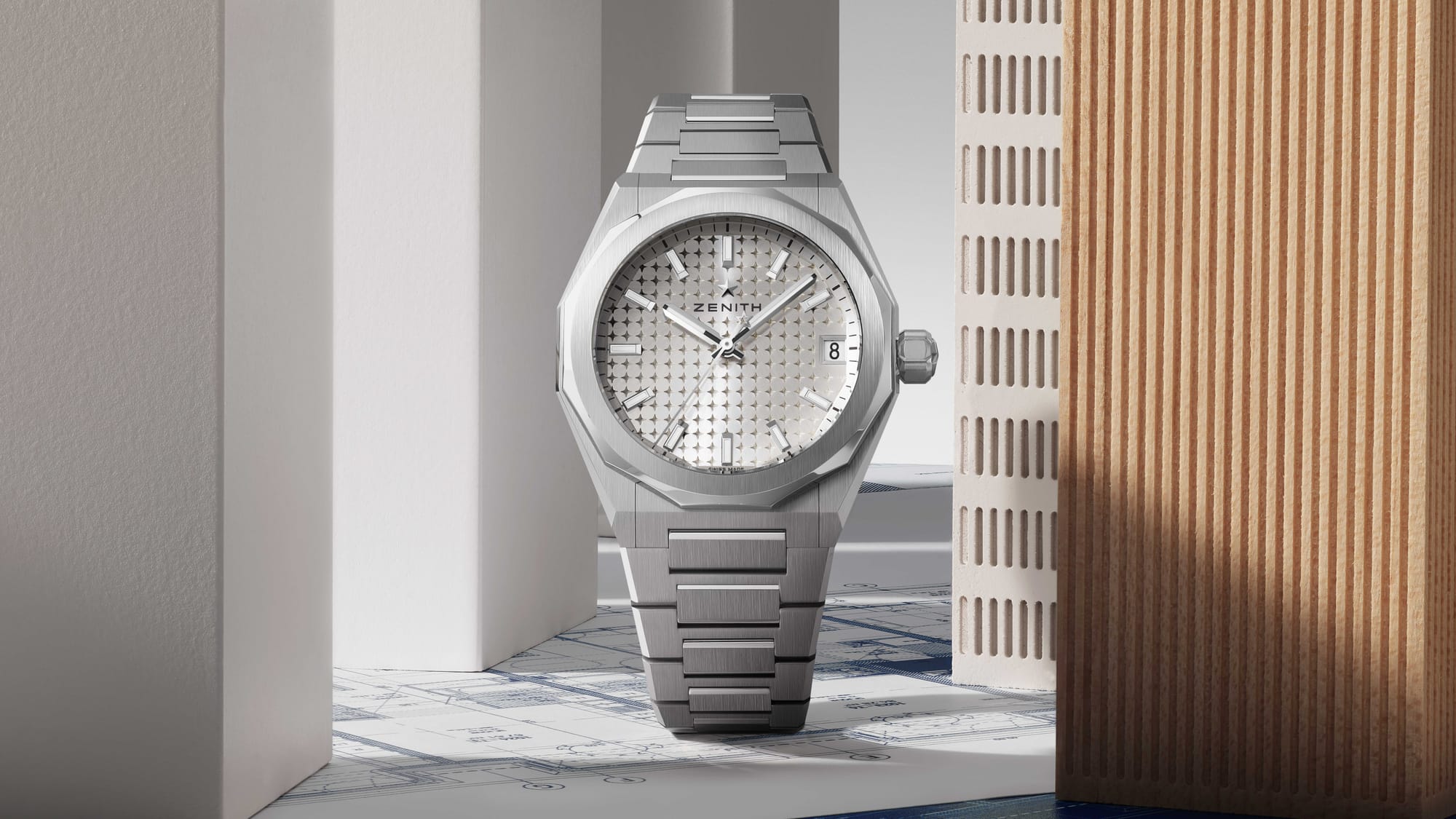
Today, Zenith risks being perceived as a somewhat forgotten manufacturer with a famous historical chronograph movement, an inconsistent retail position, and limited mainstream visibility. Making Zenith the visible nexus of LVMH watchmaking changes that. Every time a Dior, Tiffany, Hublot, or Louis Vuitton buyer sees a Zenith attribution, Zenith gains relevance.
That creates a subtle but powerful effect. The next step for some buyers will be curiosity about the source. If Zenith built the movement inside a Tiffany or a Dior, what does Zenith itself offer? The brand’s own Defy, Chronomaster, and Pilot collections gain legitimacy not from advertising spin but from industrial centrality.
This may be the strongest answer to the question of what Zenith should become. It should not abandon its own watches. It should not disappear into a purely invisible supplier role. It should become both: a distinct enthusiast-facing maison and the group’s acknowledged manufacture.
Final Thoughts
LVMH does not need Zenith to imitate the world’s most rarefied haute-horlogerie houses. It needs Zenith to be something more strategically valuable: the group’s mechanical core.
That means preserving Zenith in the enthusiast-manufacture segment rather than vacating it. It means using Zenith as the default movement platform across the portfolio wherever a real mechanical watch is being sold above entry level. It means creating a shared family of Zenith-based calibres that can support different maisons, different price points, and different aesthetics without collapsing into generic rebadging. It means telling the truth about who designed the watch, who built the movement, and who will support it over the long term.
Most of all, it means treating long-term serviceability as part of luxury rather than an afterthought. A watch should not only be beautiful when sold. It should still be running, repairable, and wearable when it reaches the next generation. Zenith is one of the few brands in LVMH’s stable with the history, movement expertise, manufacture capacity, and restoration mindset to anchor that promise.